Inside Steam Frame: Snapdragon Power and 10x Foveated Streaming
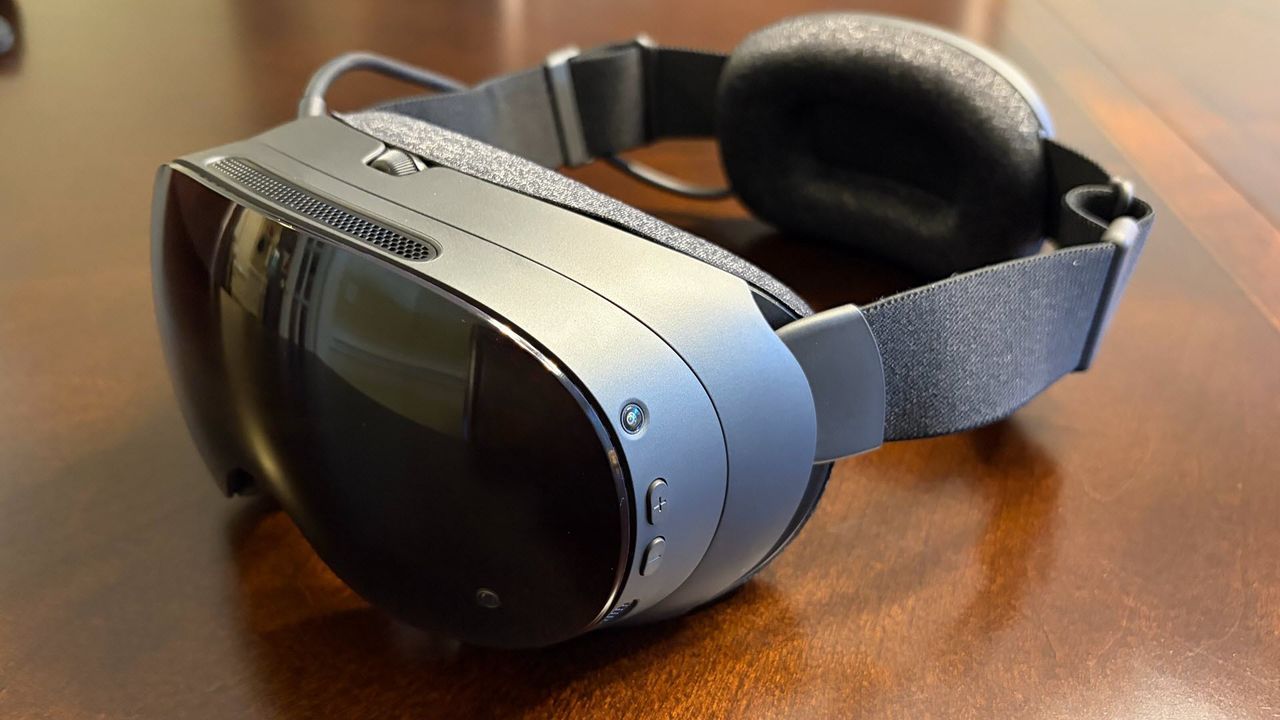
The world of virtual reality has always been about immersion, but what happens when you want to step outside the headset and dive into the vast, accessible world of the Steam library? Valve has answered that call with the launch of Steam Frame, a groundbreaking initiative designed to seamlessly bridge the gap between cutting-edge VR and traditional PC gaming.
Before the official rollout, engineers at Valve engaged in deep discussions with software developers about the vision behind Steam Frame. Their goals were ambitious: to create a virtual experience that was significantly lighter, more comfortable, and dramatically more accessible than previous VR systems. While earlier hardware focused on pushing the boundaries of what a VR headset could achieve, the objective with Steam Frame shifted toward making the entire Steam library—from demanding AAA titles to beloved indie gems—easily navigable.
This shift was powered by introducing streaming technology. By enabling wireless operation, Steam Frame allows users to interact with their entire library directly from the headset, making the initial setup worry-free. This approach puts the user experience first, allowing them to browse their games and select content without complex, cumbersome configurations.
Achieving this vision required solving immense engineering puzzles. To make the experience truly standalone and streamable, the team had to manage demanding computational requirements. They chose powerful mobile hardware, such as the Qualcomm 8650 chip, but the real challenge lay in managing the heat and power delivery to ensure the device could handle both VR streaming and game execution simultaneously. This required treating the mobile hardware as a genuinely capable PC, solving complex thermal and power management issues in the process.
The framework also had to harmonize with existing technologies, leveraging the work done on platforms like the Steam Deck and Steam Machine. By integrating Proton and Steam OS, developers found ways to get games running effectively, driving continuous innovation in making the Steam ecosystem work across various forms of hardware.
One of the most captivating technical features is foveated streaming, which utilizes the headset’s eye-tracking cameras to enhance the visual experience. Instead of processing and transmitting the entire immersive VR image, the system focuses its resources only on the area the user is actively looking at. This ingenious method drastically reduces bandwidth requirements, allowing the system to treat the focused area with a much higher quality of data, while the surrounding periphery receives less, resulting in a remarkably smooth and efficient experience.
To maintain this fluid experience, the system also features sophisticated fallback mechanisms. If wireless connectivity is interrupted by interference or signal loss, the headset employs multiple links and predictive processing. It can instantly repopulate small visual gaps by replaying previous frames, ensuring continuity and preventing jarring interruptions, even during extended signal drops.
Despite the technical brilliance, the reality of gaming hardware remains tied to market conditions. The cost of high-end components, memory, and manufacturing has created a reality check for premium devices like Steam Frame, placing the price point in the realm of $1,000 to $1,300. Valve acknowledges the broader economic pressures affecting all hardware, striving to keep prices competitive while delivering next-generation features.
As the technology matures, the focus remains on developer engagement. Valve is actively supporting developers through programs like Steam Frame Verify, encouraging them to optimize games for the standalone experience. This collaborative effort, alongside continuous hardware and software refinement, promises to transform how we interact with gaming, blending the immersive world of VR with the accessibility of the Steam library.
Buy on Amazon
Credit
