Intel chips break AMD desktop dominance
The world of DIY PC building is currently experiencing a fascinating shake-up, moving away from undisputed dominance and into a genuine CPU rivalry. For years, AMD has reigned supreme, powered by revolutionary chips like the Ryzen 7 5800X3D, which have cemented its reputation as the king of gaming performance thanks to technologies like 3D V-Cache.
But the landscape is changing fast. Just days after AMD boasted its continued control, a couple of Intel processors have managed to break into the coveted top ten spots on the Amazon best-sellers list, signaling a serious competitive shift in the market.
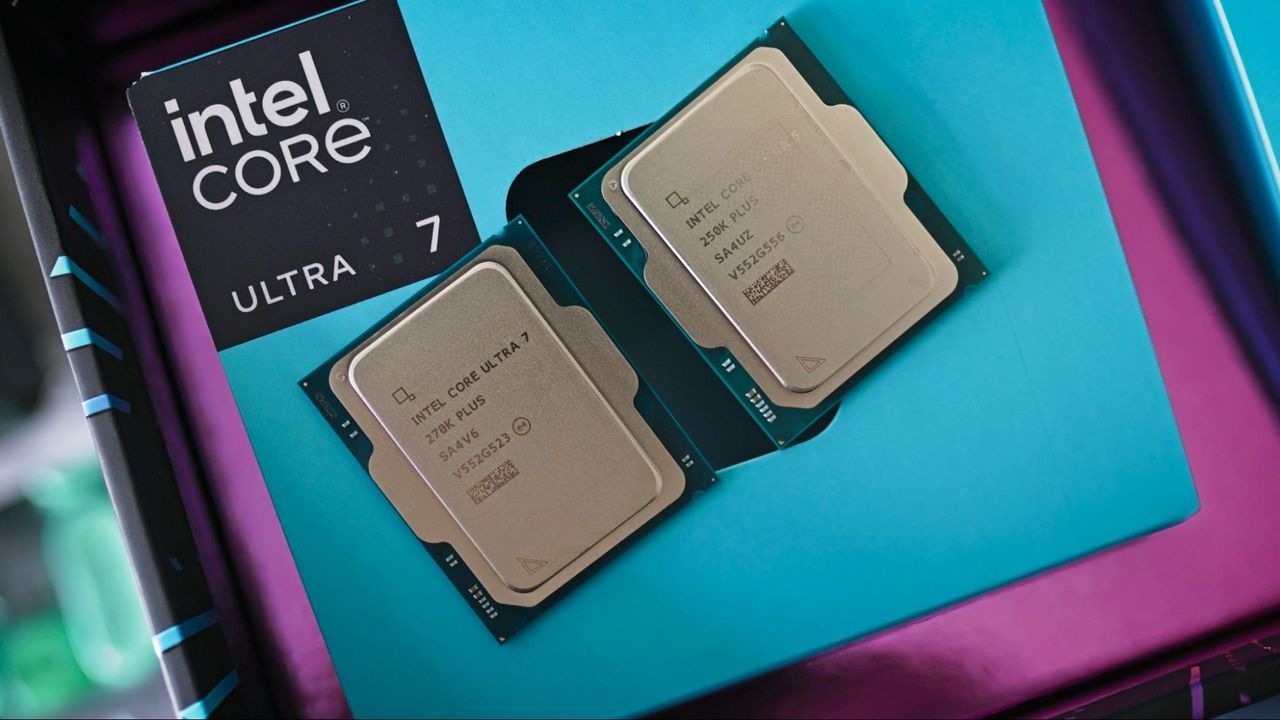
These contenders aren’t just filling a spot; they are offering compelling alternatives. At number six is the Core Ultra 7 270K Plus, priced attractively at $290. Further down the list is the workhorse Core i7-14700K, which sits at $312. While the 270K Plus might offer slightly less raw gaming power than some top AMD chips, it delivers outstanding productivity performance and very solid gaming results, often closely matching the high-end Ryzen offerings.
Intel’s entry into this space is particularly intriguing because these chips represent a course correction. They showcase significant productivity muscle that puts them in a strong position, challenging AMD‘s long-held grip on the high-end market.
The dynamics of modern CPU selection often boil down to a tough choice: maximize gaming performance or optimize for productivity, and this is where the memory bottleneck becomes a critical factor. The reality is that gamers and builders are facing a decision: prioritize the latest performance, or save money by sticking to established, cost-effective platforms.
The current market is heavily influenced by memory pricing. While there is a path forward for Intel’s platform, the reality for many builders remains navigating the trade-offs. Some testing has shown that for certain setups, running a single DDR5 DIMM can outperform dual-channel DDR4 memory, highlighting the ongoing complexity of balancing platform longevity and performance.
Ultimately, whether you choose a bleeding-edge CPU or a cost-effective package depends on your priorities. If pure gaming performance is the only metric, AMD’s 3D V-Cache chips remain the benchmark. But if you are seeking superior multi-core productivity and are willing to optimize memory settings, Intel’s offerings provide a powerful argument for consideration.
As memory costs continue to climb, the advice remains clear: the time to make some foundational decisions is now. Whether you choose the short-term saving of a last-generation CPU or the long-term performance of a current powerhouse, the savvy builder knows that strategic timing is everything.
Buy on Amazon
Credit