Intel co-develops Fortinet firewall ASIC on Intel 4 node
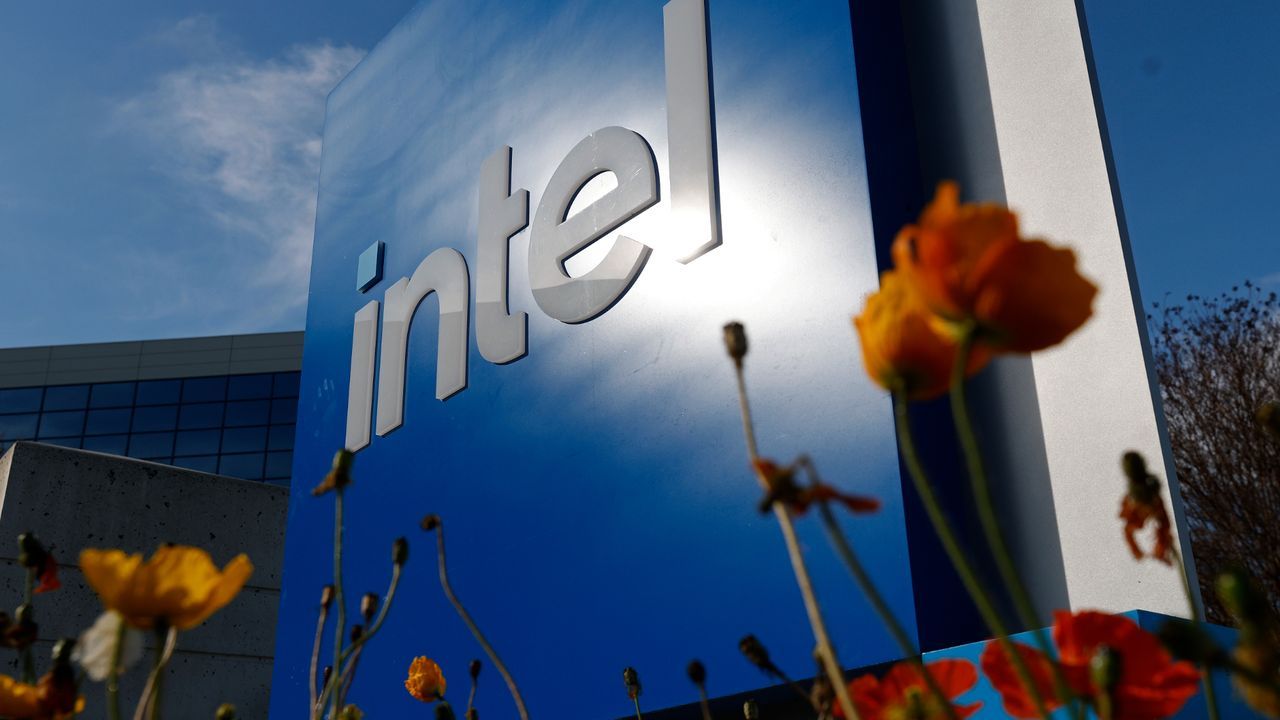
The future of cybersecurity hardware is getting a serious silicon upgrade, thanks to an unexpected partnership between Intel and Fortinet. The two industry giants have teamed up to develop the Fortinet Security Processor 6 (SP6), which will serve as the custom silicon backbone for Fortinet’s next generation of FortiGate firewalls.
This collaboration is more than just a hardware deal; it’s a deep dive into cutting-edge semiconductor architecture. Intel is stepping up, bringing its expertise in advanced packaging and disaggregated semiconductor design to power the SP6 program. By contributing chip design and manufacturing capabilities, Intel positions Fortinet as the first cybersecurity vendor to utilize Intel silicon.
The technical foundation for this new processor is anchored in Intel 4, the EUV process that Intel has used exclusively for its own products up to this point. This makes Fortinet not only a customer but also the first external entity to utilize this advanced node, pushing the boundaries of what’s possible in custom networking hardware.
This move signals a strategic shift for Fortinet. Historically, their entry-level and mid-range FortiGate appliances relied on a monolithic 7nm Arm-based System on Chip (SoC) in the previous generation, SP5. The SP6 project, built on Intel’s chiplet philosophy, represents a departure toward a more flexible, chiplet-based design tailored for both AI-enabled demands and cost efficiency.
Intel’s involvement reflects broader plans for custom silicon solutions. While Intel 4 was first implemented for high-performance compute tiles like Meteor Lake chips, this collaboration extends that advanced manufacturing capability into specialized networking applications. It showcases how foundational advancements in semiconductor technology can be applied across diverse, demanding sectors.
The broader context of the semiconductor industry is rapidly evolving. We are already seeing similar large-scale foundry commitments—for instance, Microsoft secured a deal to build its custom AI processor on Intel’s 18A node. This pattern demonstrates a strong market appetite for highly tailored, specialized processors built on advanced manufacturing lines.
Fortinet already operates successfully in the silicon space, shipping its own ASICs across various ranges. The SP6 initiative represents an exciting sixth generation of this silicon program, promising greater performance and customization while leveraging industry-leading manufacturing techniques.
While no immediate production timeline has been set for the SP6, the expected release window falls within the Q3-Q4 2026 timeframe. This collaboration serves as a powerful example of how strategic partnerships between technology leaders can accelerate innovation, redefine hardware architecture, and usher in a new era of high-performance networking security.
Buy on Amazon
Credit