
Intel fuels foundry growth with $12M CEO investment
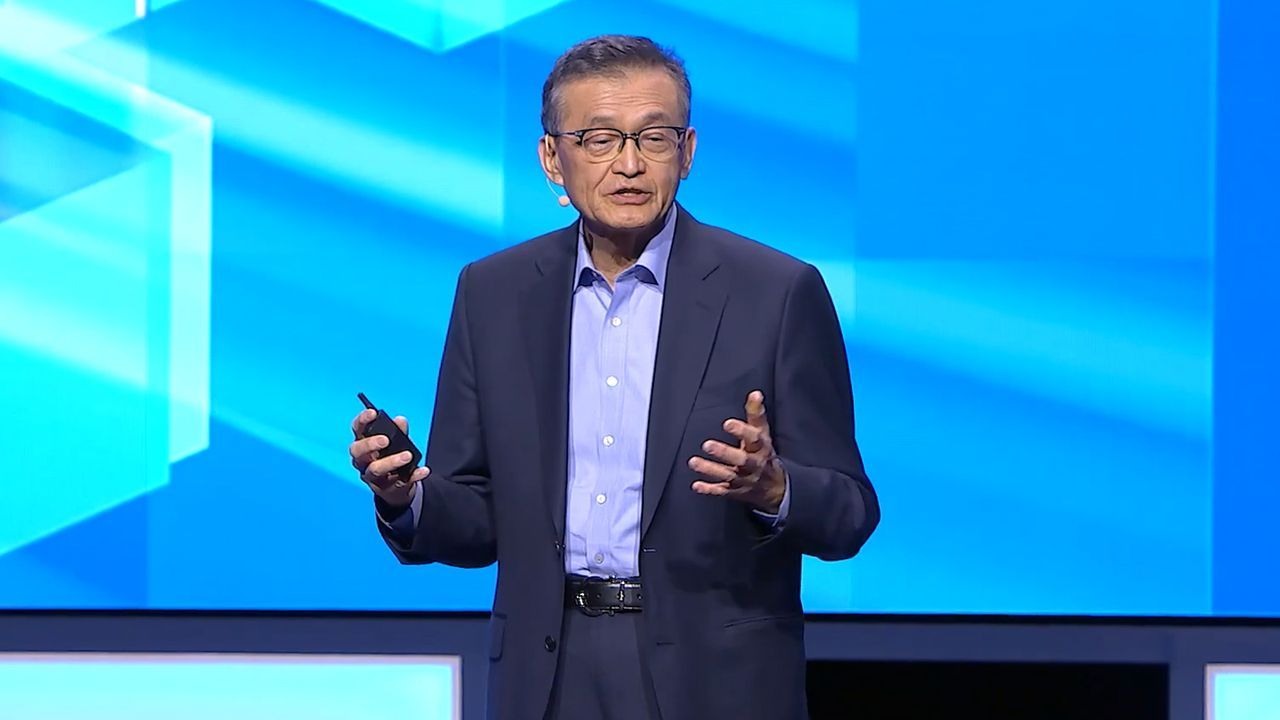
Intel is signaling a powerful belief in its future by leading a massive stock offering, drawing attention to a major capital raise of nearly $20 billion. This financial maneuver comes bundled with a significant personal investment from the company’s chief executive, Lip-Bu Tan, who injected $12 million of his own funds into the enterprise this week.
This move is more than just a financial transaction; it is a profound statement about management’s strategic conviction. Analysts are keenly watching this capital raise as an indicator of increasing “foundry conviction,” suggesting deep confidence in Intel’s ability to execute on its advanced manufacturing plans and capture future market share.
The perspective from financial experts supports this view. Bank of America analysts note that the raising of capital aligns with a tangible step-up in capital expenditure for internal customers and ongoing progress toward the 14A production process. They suggest that further investments are anticipated as Intel pursues incremental external customer wins across various advanced packaging technologies.
The sheer scale of this effort hints at a bold, unified strategy. While management has consistently stressed that building capacity for external customers depends on securing commitments, the significant capital deployment indicates an aggressive roadmap aimed at both internal needs and external market expansion.
Investor enthusiasm echoed the corporate optimism. The stock offering proved highly successful, being several times oversubscribed, with reports indicating that a substantial number of investors received no shares at all. This level of demand suggests that the market views this capital injection as a net positive for long-term efficiency and top-line growth.
Adding another layer to the confidence narrative is the actions of leadership. Prior to the current offering, Lip-Bu Tan had secured his stake through a family trust agreement, holding shares for five years without any trading activity. His recent decision to deploy personal capital underscores his belief in the company’s trajectory.
Ultimately, the market response views the raise as net positive, driven by strong foundry scale and customer conviction, which analysts believe will outweigh modest near-term effects on earnings dilution. The overall picture suggests that Intel is not just seeking capital, but is confidently positioning itself as a dominant force in the future of semiconductor manufacturing.
Buy on Amazon
Credit

