Intel skips X3D cache for mobile chips moving to Razor Lake
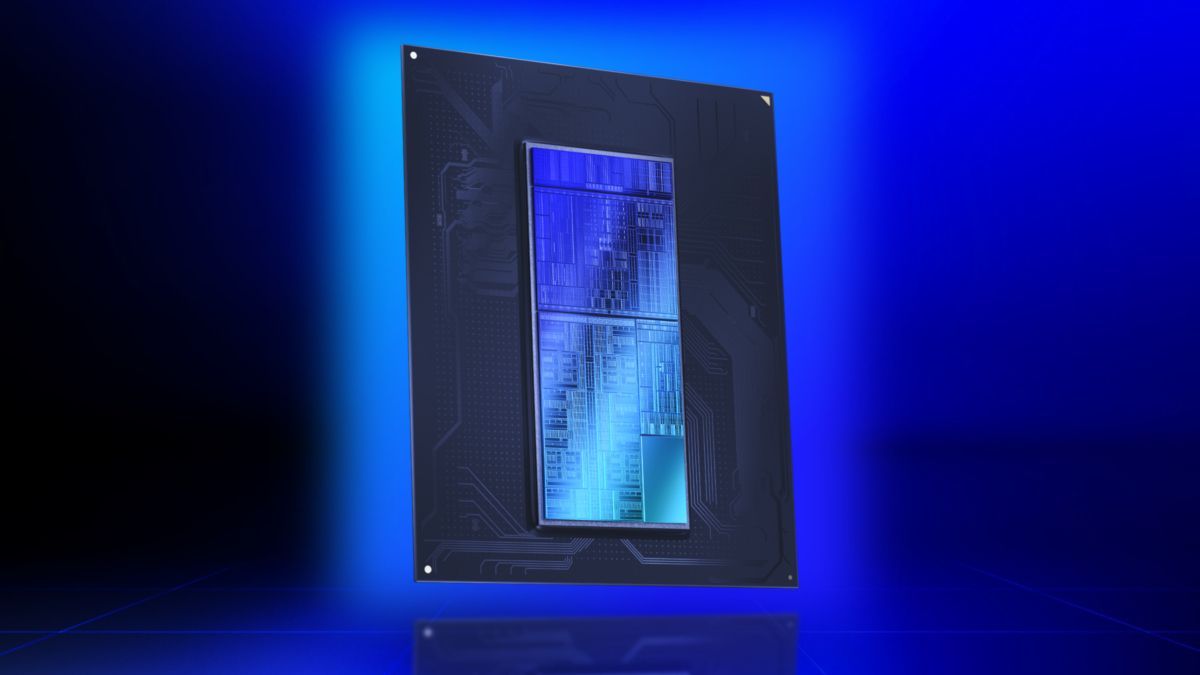
The Cache War: How Intel is Redefining Next-Gen CPU Architecture
The battle for CPU dominance is no longer just about core counts; it’s about memory and speed. Intel’s upcoming Nova Lake processors are rumored to be incorporating a game-changing technology—bLLC, or Big Last Level Cache—a sophisticated layer of cache designed to deliver massive performance boosts. This technology is Intel’s direct response to AMD’s successful 3D V-Cachetechnology, which has dramatically reshaped the high-end gaming market.
However, not all processors are built the same. While the desktop Nova Lake chips are expected to be the lucky recipients of bLLC, mobile chips are reportedly taking a different path. Sources suggest that Intel is reserving the full potential of bLLC for the desktop line, indicating that mobile processors will likely rely on existing L3 cache technologies, such as those found in the NVL-HX series.
This strategic split raises fascinating questions about hardware design philosophy. The rumor mill suggests that desktop variants could feature substantial cache upgrades, with some speculated to house up to 288MB of bLLC in dual-tile setups. This level of cache is clearly intended for the performance-intensive desktop environment, where large caches provide the most immediate advantage.
In contrast, AMD has already demonstrated a willingness to integrate this extra cache into mobile chips, most notably with the Ryzen 9 7945HX3D. This move, coupled with their flagship Strix Halo products, sets a benchmark that Intel is actively working to match, even in the high-performance APU space.
This architectural shift is mirrored in Intel’s broader strategy. Earlier speculation regarding the Nova Lake-AX APU project was reportedly cancelled, leading the company to pivot its focus toward the Razor Lake family for high-performance mobile chips. This shift suggests a focus on streamlined, yet powerful, mobile solutions rather than complex cache layering in the laptop segment.
The new Razor Lake generation is expected to leverage a powerful, unified architecture. It will utilize the same core design elements—the Coyote Cove P-cores and Arctic Wolf E-cores—that debuted in Nova Lake. Future rumors point toward the Titan Lake generation potentially unifying these core designs even further, setting the stage for a cohesive mobile and desktop experience.
Looking at the silicon itself, the fabrication process also adds layers of complexity. While some speculation points to Razor Lake being fabricated on TSMC’s N2X node, Intel maintains confidence in its in-house 18A process for most of the Nova Lake tiles. This blend of in-house and outsourced manufacturing reflects a careful balance between performance demands and manufacturing realities.
Ultimately, the ongoing evolution of Intel’s CPU line shows a company focused on strategic differentiation. By selectively deploying advanced technologies like bLLC, Intel is carving out a distinct performance niche, ensuring that their next generation of processors are not just fast, but intelligently designed for the specific demands of both the desktop and mobile worlds.
Buy on Amazon
Credit