Intel teases DDR4 return for Raptor Lake platforms and Nova Lake goals
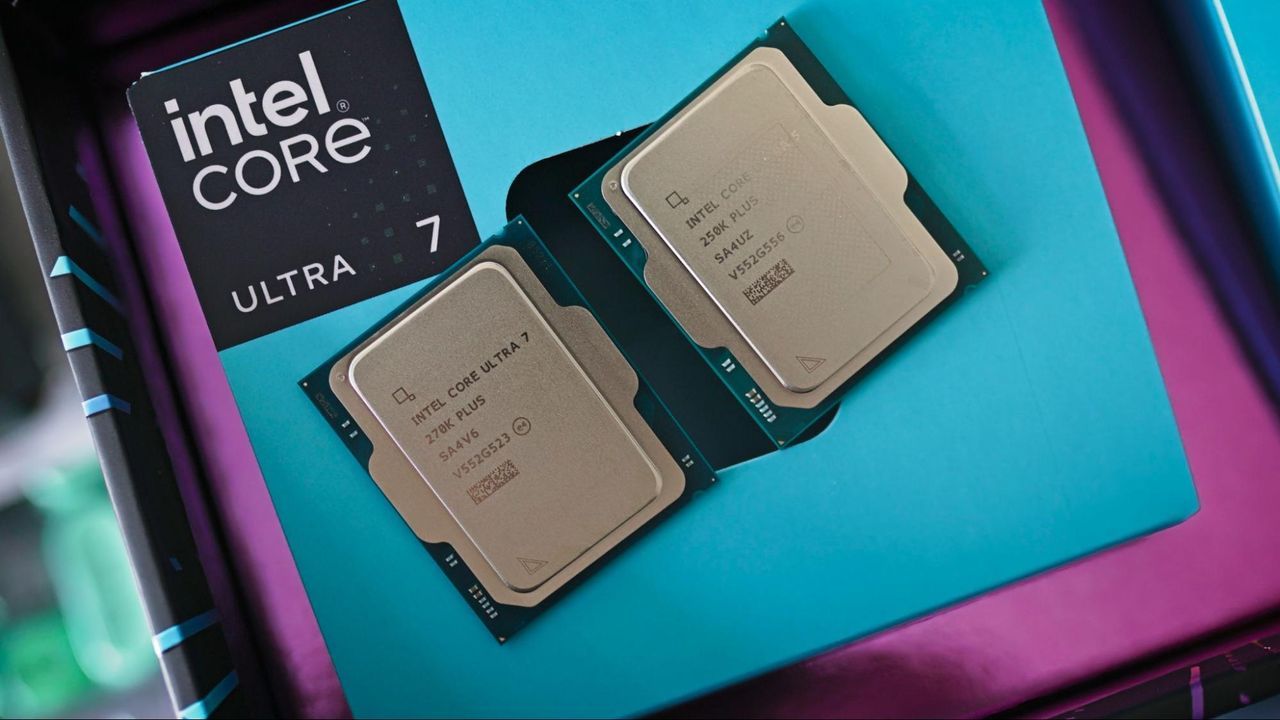
This conversation between Roach and Hallock delves into the critical relationship between software and hardware in the context of PC gaming performance, exploring the challenges faced by developers, the technical mechanisms that govern performance, and future market expectations for CPU architecture.
Here is a summary of the key points discussed:
1. The Importance of Software Over Hardware
The conversation begins with Roach asserting that software is just as important as hardware for a gaming experience. Hallock frames this importance by discussing the practical realities faced by software developers and publishers:
Time Crunch: Developing games, especially ports (like moving from console to PC), is severely constrained by time, budget limitations for QA, and compatibility concerns with existing hardware ecosystems.
Compatibility Hurdles: Developers must constantly manage a complex web of dependencies—targeting specific CPUs, historical install bases, and ensuring cross-platform compatibility, which adds significant complexity.
2. The Technical Role of Software in Performance
Hallock pivots the discussion to the deep technical layer where performance is actually determined:
Scheduler Control: He explains that even when raw hardware power is available, the operating system’s scheduler and application-level optimizations determine how efficiently those resources are utilized.
Affinity Masks: The concept of “affinity masks” is introduced—how games and systems hint to the OS on how to use CPU cores, which allows for real-time adjustments that can drastically affect performance if the hints are incorrect (due to outdated knowledge or mismatched hardware).
The Necessity of Layered Software: Hallock argues that this software layer (driver/firmware level) is essential. Without it, the performance package would be significantly slower and less performant, regardless of the raw silicon capabilities.
3. The Philosophy of Compromise
The discussion evolves into a philosophical debate about how hardware and software should interact:
Not a Trade-Off: Hallock insists that software cannot simply replace the CPU; it must work with it. He argues against treating performance as a simple trade (e.g., sacrificing 10% of hardware for 10% of software gain), proposing instead that both must be optimized together.
Hardware Stagnation: Roach points out the irony: if software is stagnant, it limits the potential of the hardware. The goal should be to prevent hardware from becoming stagnant due to limitations in the underlying software framework.
4. Future Outlook and Market Speculation (Nova Lake)
The conversation concludes with speculation about future processor architectures, specifically Intel’s Nova Lake:
Evolution of Core Counts: Roach notes the rapid change in industry perception regarding core counts (e.g., moving from 4-core to 16-core), suggesting that market opinion shifts quickly, indicating that “bigger bar better” is not a constant rule.
Nova Lake Hopes: There is shared anticipation for new technologies, including the potential for competitors to V-Cache and improving cache locality levers within future CPUs.
Industry Trajectory: Hallock expresses hope that future hardware releases will result in a genuinely good experience, acknowledging the current skepticism surrounding major platform shifts.
In essence, the conversation highlights that true performance in modern computing is not solely defined by silicon; it is critically mediated and optimized by sophisticated software layers.
Buy on Amazon
Credit