Intel Xeon 7 brings 256 P-cores and new CPU tech
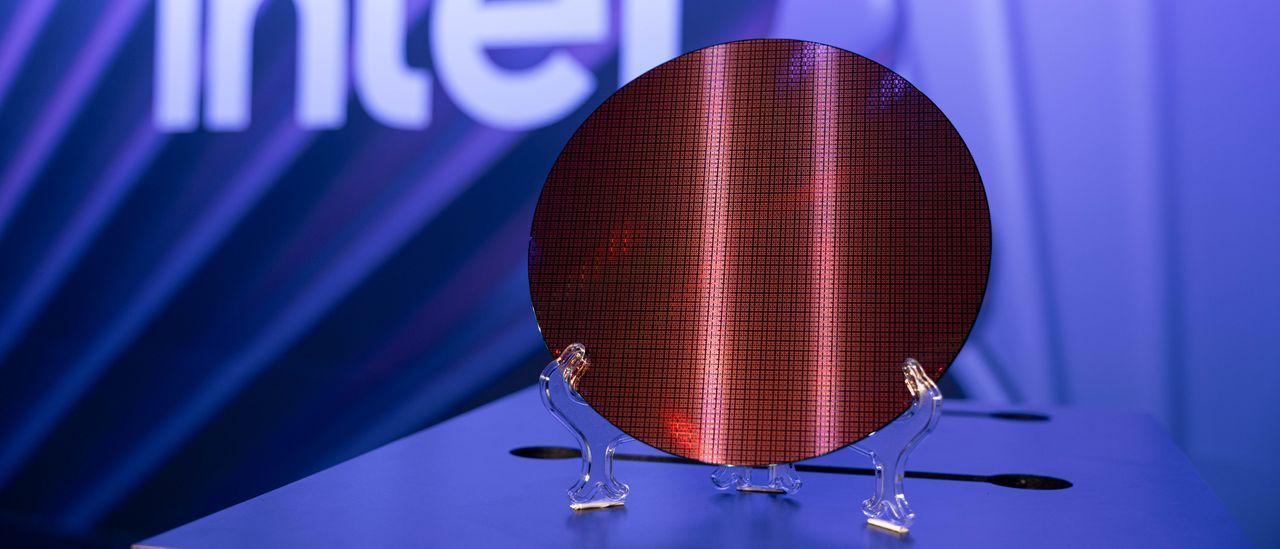
Intel is gearing up for a major architectural overhaul, stepping into the future with its next-generation Xeon CPUs codenamed Diamond Rapids. This isn’t just an incremental update; it represents a fundamental shift in how Intel designs and packages its data center silicon, promising significant performance gains for the era of agentic workloads.
Set to hit the data center market in 2027, these CPUs are designed to push performance boundaries by featuring up to 256 P-cores and a substantial 1.28 GB of last-level cache. The roadmap for Diamond Rapids incorporates several expected advancements, including the enhanced 18A-P process, next-generation UCIe interconnects, AVX 10.2 support, and Intel’s innovative “fan-out” fabric.
Under the hood, the design embraces a chiplet approach, leveraging Compute Building Blocks, or CBBs, to organize the complex structure. Each CBB houses up to 16 core chiplets, providing powerful, independent processing units. These chiplets communicate with the base tile, which holds the last-level cache, through a sophisticated 3D crossbar. To bring this modular design together, Intel employs advanced bonding techniques like Foveros Direct 3D to physically link the compute tiles to the base tiles.
Communication across the chip is handled through the UCIe-S interconnect, which provides a low-latency, uniform connection between the core chiplets and centralized fabric hubs. This choice prioritizes seamless, high-speed data flow, moving away from previous internal interconnects to achieve superior performance across the entire system.
A notable change in philosophy is the physical layout of the chip. By centralizing memory and I/O functions within the fabric hubs, Intel has pushed the compute cores to the edges. This design mirrors the layout strategy seen in competitors, suggesting a move toward a more balanced and efficient architecture, which should also lead to improved thermal management by mitigating hot spots in the core of the chip.
The innovation doesn’t stop at the physical layout. Diamond Rapids integrates significant instruction set architecture (ISA) enhancements. It supports AVX 10.2, which introduces converged 256-bit vectors capable of running on both P-cores and E-cores. Furthermore, the introduction of Intel Advanced Performance Extensions (APX) doubles the number of general-purpose registers, offering a boost in efficiency by requiring fewer memory loads and stores.
This combination of architectural refinements—enhanced instruction sets, centralized communication, and advanced packaging—positions Diamond Rapids as a powerful contender in the evolving landscape of high-performance computing. While the journey requires continued refinement, Intel is clearly making substantial strides in delivering the next generation of data center silicon.
Buy on Amazon
Credit