Iran mocks US over drone capture claims of defective tech
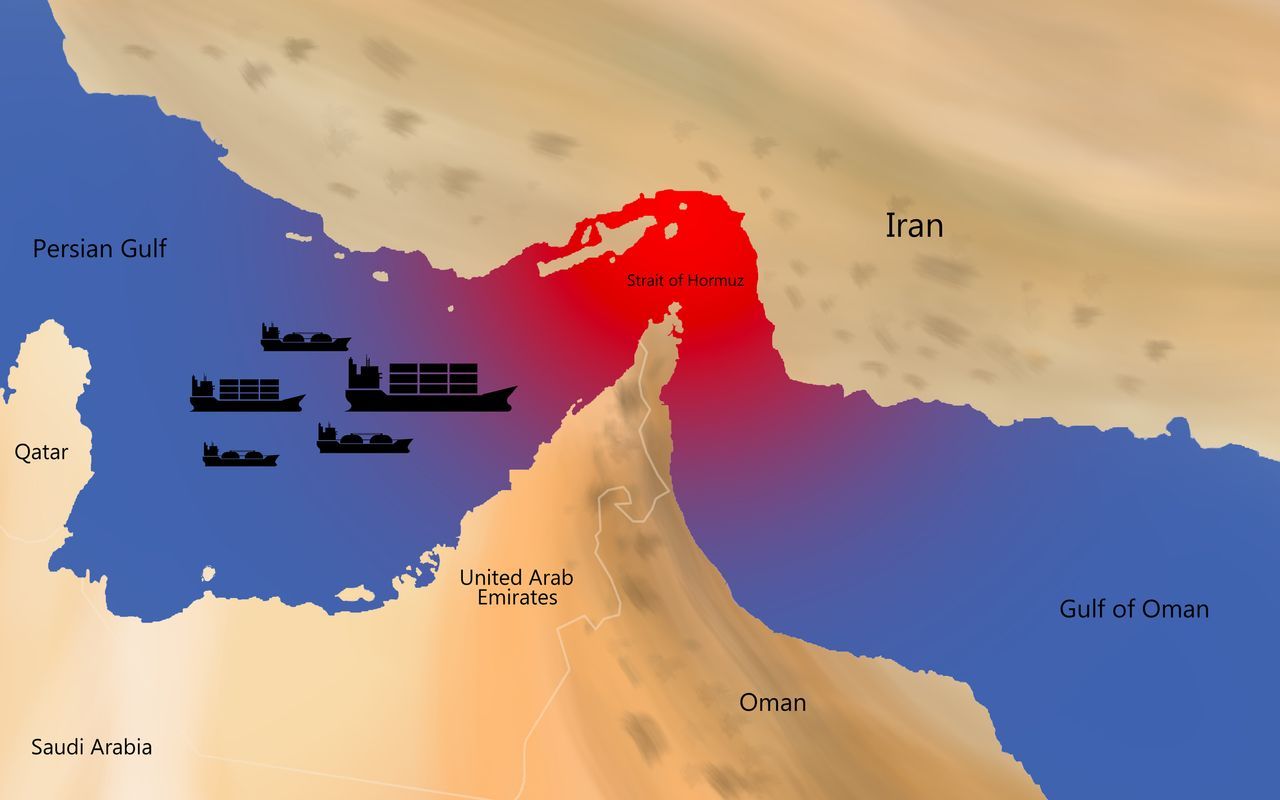
In the high-stakes technological theater of the Strait of Hormuz, a captured piece of U.S. Navy hardware has ignited a new geopolitical rumor: the possibility that Iran is studying and attempting to reverse-engineer advanced American undersea technology. The incident involves the recovery of a 19-foot autonomous underwater vehicle, or Dive-LD, which malfunctioned while surveying regional waters before being recovered by Iranian forces.
While the U.S. military and the manufacturer, Anduril, attempted to minimize the significance of the loss, the captured drone quickly became a focal point for Tehran. Instead of focusing solely on military gains, the recovery provided a potent opportunity for propaganda, turning the technological loss into a source of diplomatic amusement.
The Iranian diplomatic corps quickly seized on the situation, treating the capture less like a military setback and more like a piece of novelty. Posts from Iranian embassies worldwide have provided some truly hilarious commentary, comparing the recovery to pulling a plastic bottle from a fishing net and even announcing an upcoming “Unboxing ceremony by our reverse engineers”, effectively turning a serious military event into a global joke.
This shift in narrative highlights a noticeable disconnect between how the technology is marketed and how it is described in the context of the conflict. Anduril promotes the Dive-LD as a highly reliable and adaptable platform capable of operating in demanding environments, touting it as the most flexible autonomous underwater vehicle available. In stark contrast, the U.S. Navy characterized the lost vehicle as an older, defective model that carried no sensitive data or classified equipment.
Despite the attempts to downplay the event, the reality of intelligence gathering remains. Experts suggest that while penetrating the vehicle’s software may be challenging due to built-in defenses designed to frustrate exploitation, Iranian engineers certainly possess the capability to reverse-engineer the core mechanical systems of the drone.
Regardless of the technical limitations, analysts agree that the incident serves a greater political purpose. It allows Iran to frame the narrative, positioning itself as adept at exploiting vulnerabilities and demonstrating its control over the critical maritime choke points of the region.
The U.S.-Iran conflict is already deeply entangled in the technology supply chain. This technological dimension is not isolated; the war has repeatedly spilled over into the global electronics market and critical industrial supply chains, demonstrating how technological control is increasingly intertwined with geopolitical power.
Credit