Iranian missiles strike Amazon data center in Bahrain
In a world increasingly defined by fiber optics and cloud computing, the physical infrastructure that supports the digital revolution is facing an unexpected siege. The digital lifeblood of global technology—data centers—are now being targeted in conflicts far removed from the battlefield, illustrating how geopolitical tensions bleed directly into our technological supply chain.
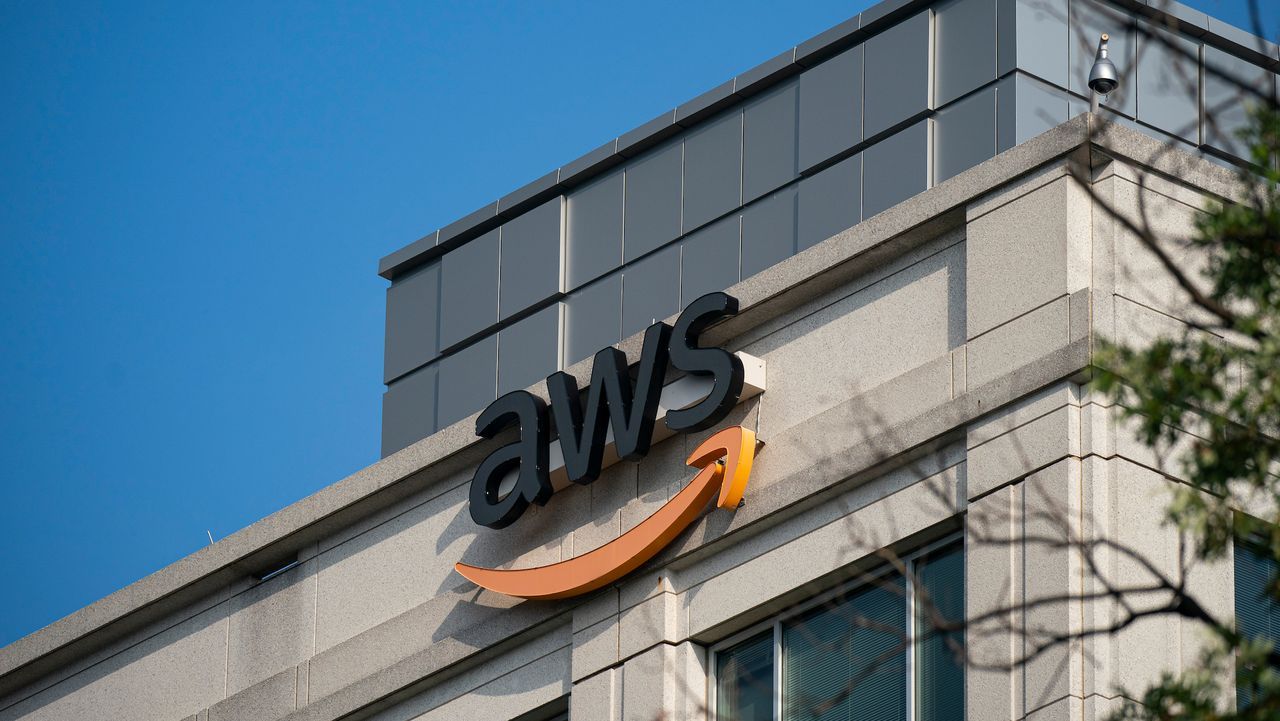
The recent attacks underscore this reality starkly. Amazon’s data center in Bahrain was reportedly struck by missiles launched by the Iranian Islamic Revolutionary Guard Corps (IRGC) in retaliation for U.S. actions against a nuclear facility under construction in the region. This incident highlights a disturbing convergence where military action, designed to change physical borders, now targets the virtual foundations of global commerce.
This is not an isolated event. The pattern of targeting extends across AWS Middle East regional data centers, where drones and missiles have been used to disrupt operations following U.S. air strikes. The damage sustained by these sites forced Amazon into a difficult position, placing multiple zones in “hard down” status between late March and early April, as the AWS Health Dashboard reported the Middle East region as currently unavailable.
While physical infrastructure suffers, the digital economy shows remarkable resilience. Despite these strikes, Amazon has managed to ensure service continuity by shifting customer traffic to unaffected locations, demonstrating a sophisticated ability to bypass physical damage and maintain global operational flow.
The disruption is further complicated by the broader conflict dynamics. Attempts to establish ceasefires have often dissolved under escalating tensions—as seen when agreements collapsed after alleged Iranian actions involving ships in the Strait of Hormuz. This cycle of retaliation has introduced grave risk, with recent strikes resulting in American casualties and further prompting U.S. military responses against forces operating in Jordan.
The stakes are exponentially higher than a single data center outage. The threat now extends beyond commercial operations to encompass the entire ecosystem of American technology infrastructure. Reports indicate that the IRGC has made direct threats against major American tech companies, including Microsoft, Apple, Google, and even critical projects like OpenAI’s massive data centers.
This indicates a terrifying shift: physical attacks are no longer confined to conventional military targets but are being wielded as potent tools against the high-tech facilities that drive the modern world. As global tensions persist, the safety of our digital infrastructure—the very engine of future innovation—remains an increasingly precarious concern.
Credit
