
Japan asks US to stop using Mario and Pokemon in social media
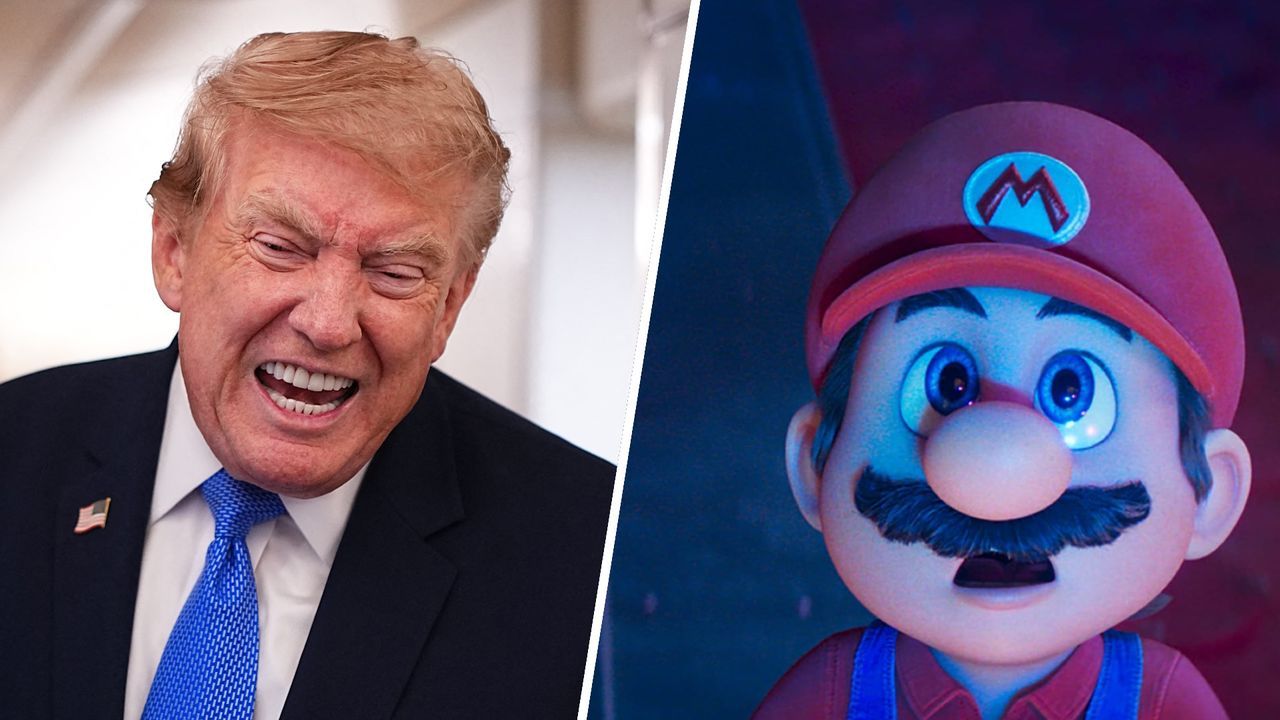
When geopolitical strategy runs into pop culture, the resulting collision can be anything but smooth. Recently, a surprising friction point emerged between the Japanese government and the United States over the use of beloved video game imagery in political discourse. What began as a matter of intellectual property quickly escalated into a discussion about global brand protection and the delicate balance of international relations.
Japan’s Ministry of Foreign Affairs has repeatedly expressed serious concerns regarding how US government agencies utilize images from Japanese video games, such as those featuring Mario or Pokémon, in their political rhetoric. The core issue is twofold: the lack of authorization to use these assets and the potential damage inflicted upon globally recognized entertainment franchises.
The situation gained traction when various US government bodies began posting memes to promote policies in 2025. For instance, Homeland Security posted a montage of immigration raids interspersed with video clips and music from the Pokémon animated series. Customs and Border Patrol followed suit by featuring a video of dancing Pikachu as their newest recruit.
While the Pokémon Company noted that its property was used without permission, the Department of Homeland Security indicated no intention of halting the use of these game assets to stoke anti-immigrant sentiment. This standoff highlighted the tension between corporate ownership and governmental expediency.
The concerns extended beyond specific characters. In April, Japan’s Foreign Affairs Minister Toshimitsu Motegi voiced criticism over a White House tweet that used Wii Sports footage to promote attacks on Iran. Although his immediate complaint focused on copyright law violations, it underscored the wider issue of using entertainment media in sensitive international contexts.
The Ministry’s most recent complaints moved past simple legal concerns. Rather than just suggesting caution regarding intellectual property laws, the government specifically requested that the Trump Administration cease posting memes that used these characters multiple times. This demonstrated a more proactive demand for accountability from the US side.
Ultimately, the unresolved tension lies in how international bodies navigate the intersection of creative assets and serious political messaging. Whether the request to stop is complied with remains to be seen, leaving open the broader question of managing the flow between popular culture and high-stakes global dialogue.
Buy on Amazon
Credit