Oregon funds schools by charging for undersea cable use
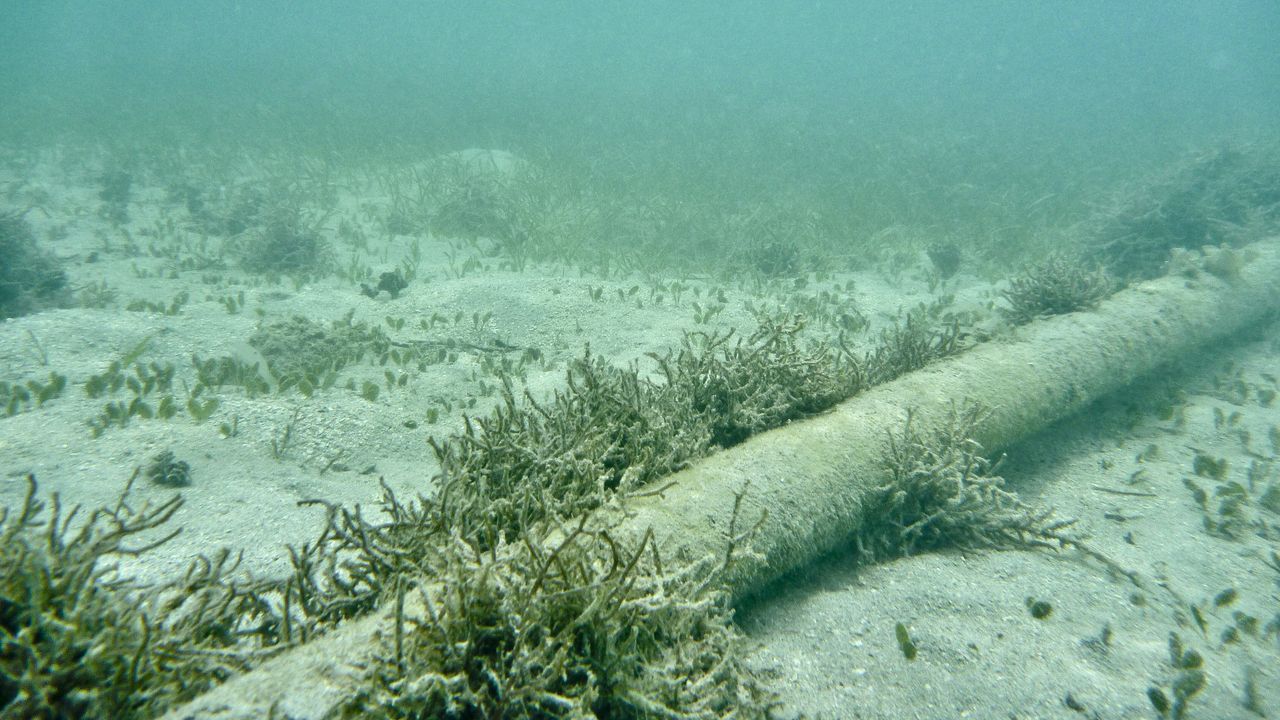
Oregon is sitting on a potentially massive windfall—a missed opportunity for state tax revenue that could fund public education and infrastructure projects. For decades, the state has essentially allowed major undersea cable operators to enjoy coastlines along which they lay their vital communications lines with minimal financial obligation. Now, lawmakers are finally looking to monetize this invaluable public asset.
The proposal is simple yet profound: Oregon intends to shift from a historical system of one-time application fees to a usage-based model for cable installations near the coastline. This new structure would involve charging cable operators a fee based on linear footage and the cost of protective structures, seeking to funnel those dollars directly into the Common School Fund.
The proposed pricing structure is designed to be both sensible and competitive. It envisions a rate of $3 per linear foot of cable, plus an additional $7 for each section of bore pipe—the protective infrastructure running closest to shore. This shift moves away from the outdated $5,000 application fee that dates back to 2001.
The financial implications are staggering. The Oregon Department of State Lands estimates that over a 20-year lease period, this system could generate millions for the state. Using rough calculations based on major installations like Amazon‘s Bitfrost cable, the potential revenue over two decades amounted to a figure of $1,450,380.
This opportunity is particularly relevant given Oregon’s booming technology sector. The state already attracts massive investment, boasting around 140 data centers and supporting 16 undersea cables of various types. Oregon’s existing attractiveness—including no state sales tax and powerful enterprise zoning incentives—has made it a magnet for giants like Amazon, Microsoft, and Google.
The Department of State Lands has assessed the revised rates as competitive-to-low when compared to neighboring states, positioning Oregon favorably against California, which estimates charging an annual rate closer to $5 per cable foot. This move reflects a smart attempt to remain competitive while ensuring that private infrastructure contributes meaningfully to public coffers.
Considering the true scale of submarine connectivity, these fees are truly peanuts compared to the initial investment required to lay global cables—transatlantic connectors reportedly cost around $250 million, and crossing the Pacific requires a staggering $400 million. The potential revenue from usage fees is a small fraction of the colossal infrastructure expense involved.
While some existing contracts, such as those for Amazon’s work, already included provisions regarding state fees, the discussion around new legislation ensures that future investment in Oregon’s high-tech coastline yields greater public returns. It is a timely effort to ensure that Oregon benefits fully from its role as a hub of global digital connectivity.
Buy on Amazon
Credit
