Japan’s 3D-printed rocket drone counters attack platforms
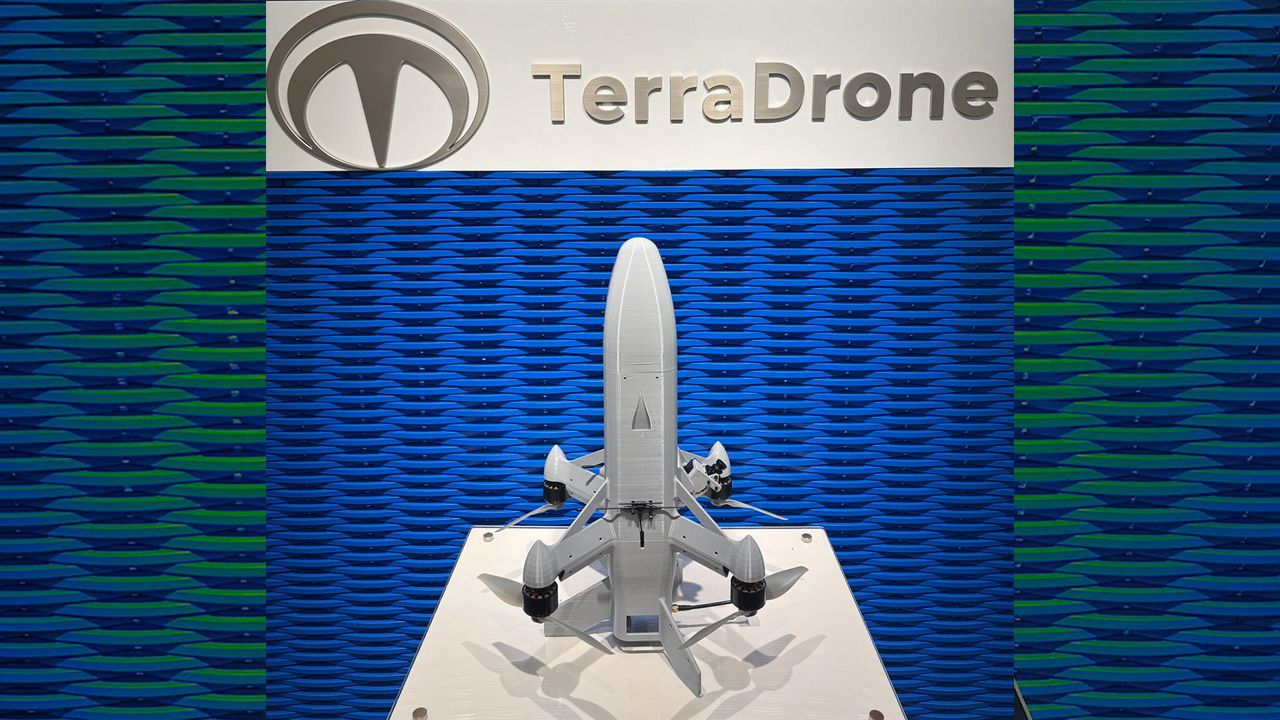
In an age where the skies are increasingly contested by unmanned aerial threats, innovation is no longer a luxury—it is a necessity. Japan is demonstrating exactly how to meet this challenge, taking a bold leap into the future of defense by leveraging cutting-edge 3D printing technology to build its interceptor fleet.
The move involves the mass procurement of Terra B1 interceptor drones, fabricated using additive manufacturing techniques based on the proven A1 model from Terra Drone. This initiative is not just a technological exercise; it represents a strategic shift toward developing rapid, cost-effective, and highly adaptable drone countermeasures for the Japanese military.
The impetus for this agreement came after a demonstration by the Terra B1 impressed the Japanese Maritime Self-Defense Forces. This success propelled the Japanese Acquisition, Technology, and Logistics Agency (ATLA) to finalize a mass-procurement deal with Terra Drone.
The selection process was rigorous, requiring potential designs to satisfy demanding criteria—including effective range, flight duration, guidance methods, speed, and operational track records. Out of 38 competing companies, the Terra B1 stood out as the ideal solution for neutralizing notorious threats such as Shahed designs and anti-radar loitering munitions like the IAI Harpy.
This focus on rapid production and efficacy addresses a critical military reality: the need for affordable and sustainable anti-drone solutions. Following recent conflicts where drone swarms posed significant challenges, traditional, expensive missile systems often proved insufficient. The drive was for countermeasures that could be deployed quickly and effectively.
Japan’s proactive adoption of 3D printing positions the nation at the forefront of applying this emerging technology to defense. This synergy between advanced drone technology and additive manufacturing promises to enable the Japanese Self-Defense Forces to acquire more effective countermeasures with greater speed.
The impact extends beyond the interceptors themselves. This trend highlights a wider synergy between drone technology and 3D printing across various sectors. We have already seen these technologies applied to create flight-ready drones and essential maintenance parts, even aboard naval vessels during extended exercises, demonstrating a powerful future where digital fabrication shapes the landscape of modern defense and industry.
Buy on Amazon
Credit