Jensen Huang: 100k GPUs trained GPT-6 and plans for 400k
The AI world just got a major shake-up. OpenAI recently began rolling out access to GPT-6 Astra, a model that isn’t just incremental—it feels like a quantum leap. With wider subscriber access planned, the focus is clearly on unleashing the potential of what the company calls its “most aligned” AI yet.
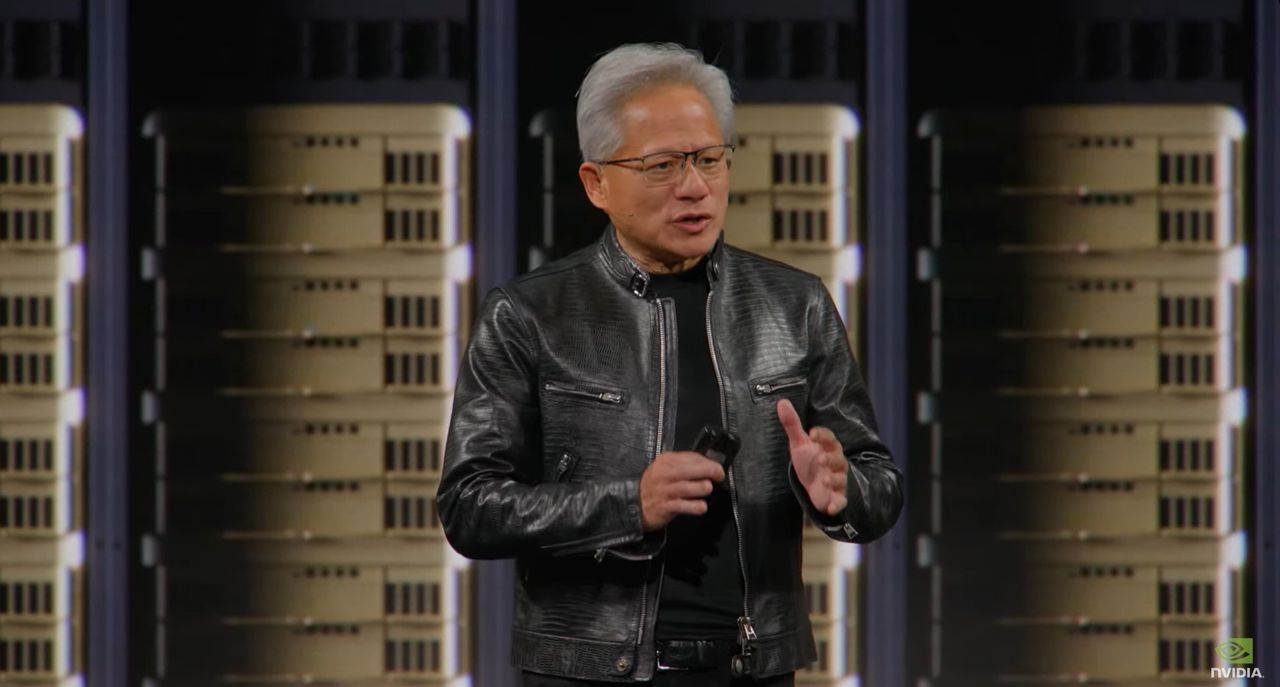
But the excitement isn’t just about the features; it’s about the staggering scale of the infrastructure required. The training for Astra involved an unprecedented amount of computational power, reportedly utilizing approximately 100,000+ Nvidia Grace Blackwell NVLink72 server racks. This massive effort underscores the monumental resources poured into the development of next-generation models.
Greg Brockman, co-founder and president of OpenAI, highlighted this milestone, noting that this was the first run that utilized more than 100,000 GPUs. This level of hardware is mind-boggling, especially considering the current global memory supply constraints, making the scale of this project a stark reminder of the current high cost of advanced computation.
This technological leap has naturally sparked a debate about where AI is headed. When the Nvidia CEO confidently asserts that “AGI has arrived,” the conversation shifts from technical specifications to philosophical implications. While the definition of Artificial General Intelligence remains fluid, the new models are clearly pushing the boundaries of what machines can achieve.
OpenAI positions GPT-6 Astra as state-of-the-art, achieving top marks across various demanding AI benchmarks, including FrontierMath Tier 4, ARC-AGI 3, and TerminalBench-4.0. A slickly produced trailer provides a visual glimpse into Astra’s capabilities, demonstrating how the model can handle conversational prompts to generate complex outputs, such as presentations, eBay listings, and even 3D printer files.
Despite the powerful claims, the context surrounding the rollout is layered with speculation. The timing of the AGI assertion, coupled with recent rumors regarding OpenAI’s initial public offering, adds an extra layer of intrigue. Furthermore, the development of Astra followed a period where the company emphasized the importance of safety and alignment, with Brockman noting that much of the compute goes into ensuring the model’s safety.
The narrative surrounding Astra suggests a future where AI is not just a tool, but an agent capable of handling nearly any task on a computer. It’s a monumental achievement, pushing us to consider what happens when artificial intelligence crosses that elusive threshold into general human-level cognition.
Buy on Amazon
Credit