Jensen Huang defends open AI access with Google OpenAI Meta on X
The Open Road to AI: Why Nvidia Wants the Walls Down
In the rapidly evolving world of artificial intelligence, a fundamental debate is raging: should the most powerful AI models be locked away in private vaults or shared freely with the world? At the heart of this discussion is a passionate argument for openness, championed by industry giants and underscored by the leadership of Nvidia’s CEO, Jensen Huang.
The choice between open and closed models defines how AI technology will evolve. Closed models, typically developed by major corporations like OpenAI or Google, operate behind proprietary walls, accessible only through APIs in the cloud. Conversely, open models release their weights or even code, allowing anyone to inspect, modify, and run them locally. This difference is more than just technical; it touches upon questions of innovation, security, and global power.
This dichotomy has recently taken on a geopolitical edge. As powerful open-source models, such as DeepSeek, have exploded onto the scene offering competitive services for free, they have inadvertently created friction with American interests. This dynamic highlights a subtle digital proxy war where access to foundational AI technology is viewed through the lens of national sovereignty and cybersecurity concerns.
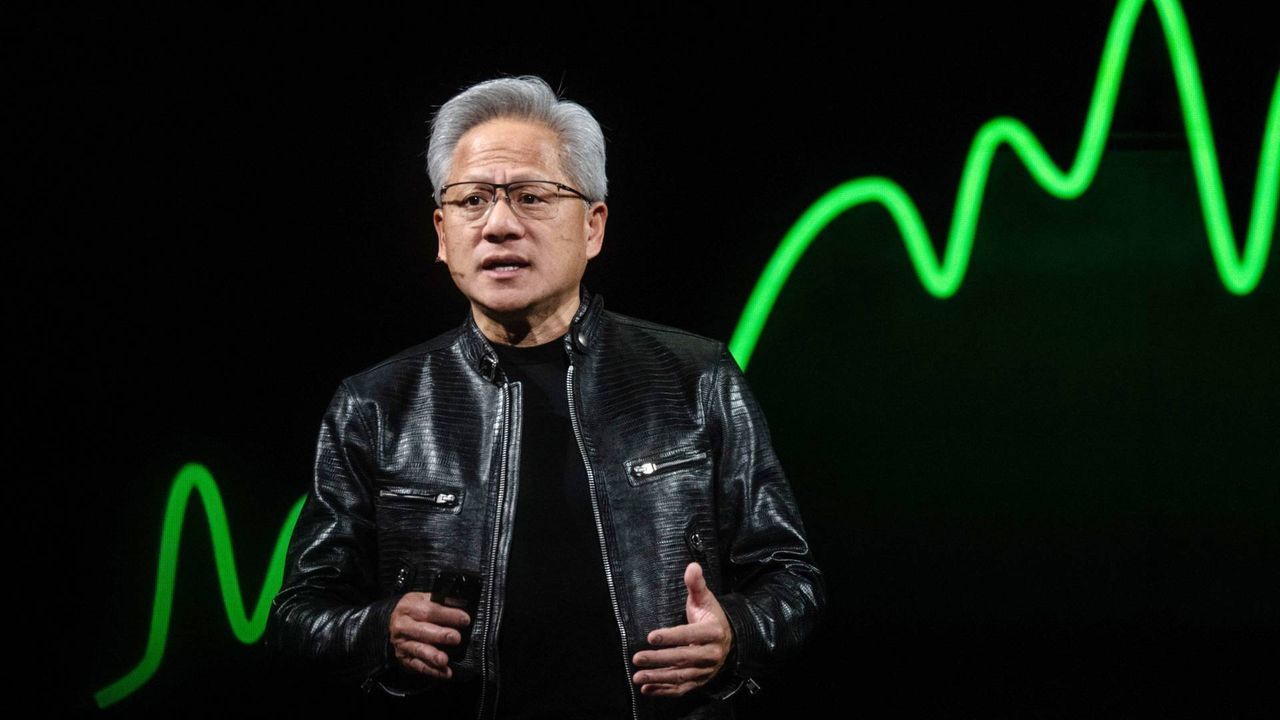
The stakes are incredibly high. While some argue that sharing weights could pose risks to US technological hegemony, proponents counter that open models offer a broader path to safety and accelerated progress. Nvidia’s CEO Jensen Huang recently articulated this position, signing an open letter arguing against the premature restriction of open models.
Huang posits that AI will transform every industry, and therefore, it must be built by every country. He stressed that open weights are essential because they strengthen safety and cybersecurity, accelerate innovation and diffusion, and enable national sovereignty. In his view, the world needs both frontier closed models and frontier open models working in tandem.
While acknowledging the inherent risks—such as the difficulty of tracing modifications when weights are released—Huang insists that this concern should not lead to prohibition. Instead, he argues that the knowledge gained from openly accessible models can be leveraged to mitigate risks and address negative effects once they are widely adopted.
The push for openness is also rooted in a broader interest: ensuring that the immense efforts and resources poured into AI development—including managing hardware strain and environmental costs—justify the outcome. By maximizing access, the industry hopes to maximize the benefits of this transformative technology for everyone.
This sentiment reflects a wider consensus among major players. Companies like Microsoft, along with partners including AMD, Google, Meta, Hugging Face, and OpenAI, have signed appeals supporting open weights, believing that sharing knowledge expands competition and access to the AI economy.
Credit