Judge strikes down ghost gun rule for 3D printed parts
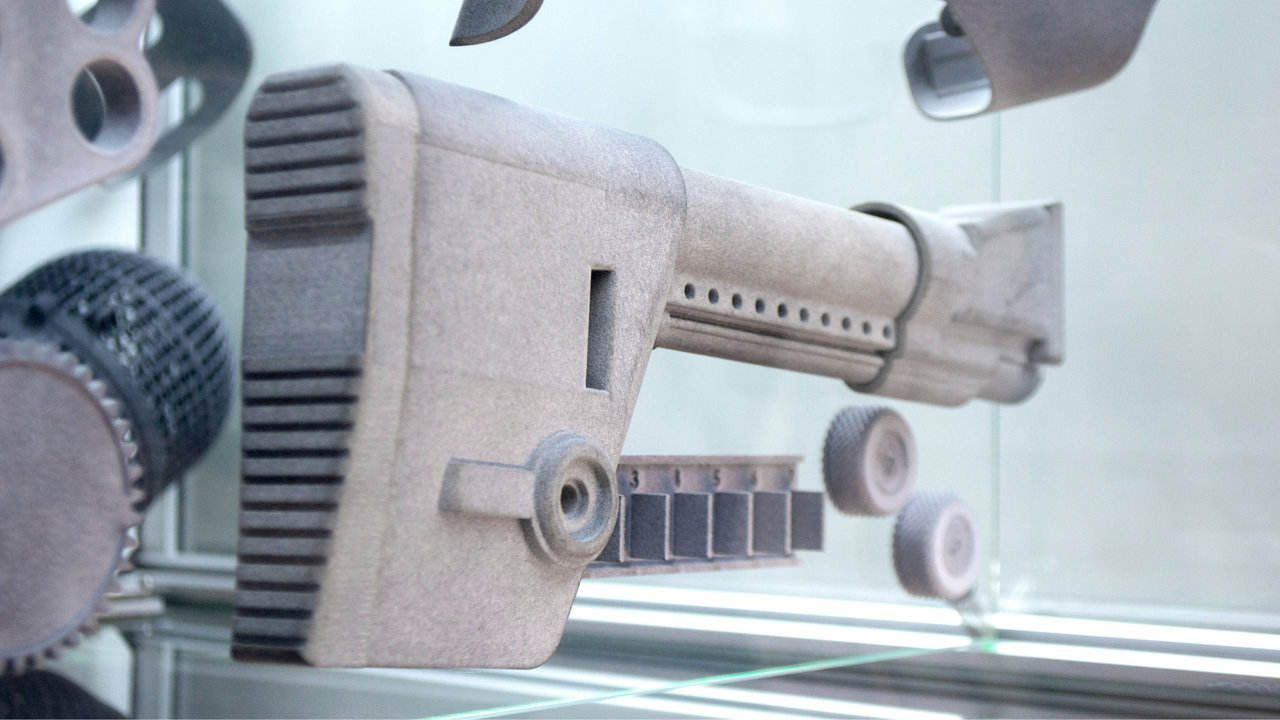
A landmark legal battle over the future of 3D printing and firearms has delivered a powerful blow to the technology sector. Judge Reed O’Connor of the U.S. District Court for the Northern District of Texas recently shot down a significant ruling by the Bureau of Alcohol, Tobacco, Firearms, and Explosives (ATF), challenging the requirement that 3D-printed firearm parts must be regulated identically to complete guns.
This decision sends ripples across the 3D printing market, where enthusiasts and manufacturers have long grappled with how to innovate within existing legal frameworks. The ruling directly impacts a growing movement across the United States where states are taking aggressive steps to regulate digital files and hardware to combat the proliferation of what are often called ghost guns.
The dispute centers on the constitutionality and scope of the ATF’s rule, which was enacted in 2022. That rule aimed to tighten control over firearms by requiring background checks on purchased parts kits and clearly defining what constitutes a firearm frame or receiver, ultimately seeking to make it harder for unauthorized individuals to manufacture weapons.
However, the legal challenge focused on the rule’s effect on the historical tradition of personal gunsmithing. Judge O’Connor argued that the regulation was overly vague and contradicted the historical context of how personal arms were made in America during the 17th, 18th, and 19th centuries. The court determined that imposing such broad restrictions on component parts inhibited the freedom associated with home gunsmithing and violated the Due Process Clause of the Fifth Amendment.
The legal fight is not isolated to the federal court; it is fueling a state-level regulatory cascade. States like California, Colorado, New York, and Washington State are actively pursuing bans and limitations on 3D printers, demonstrating a national split in how the technological revolution is being managed.
While some of these state proposals seek to restrict access, the 3D printing community remains dynamic. Despite the regulatory pressure, manufacturers and platforms are responding by pushing back against sweeping bans, arguing that they threaten open-source hardware and the educational potential of these technologies. In response to the threat of unregulated designs, some companies are leveraging technology, exploring artificial intelligence to detect and eliminate illicit gun designs.
Buy on Amazon
Credit