KCD Director on DLSS 5 and the AI slop hype
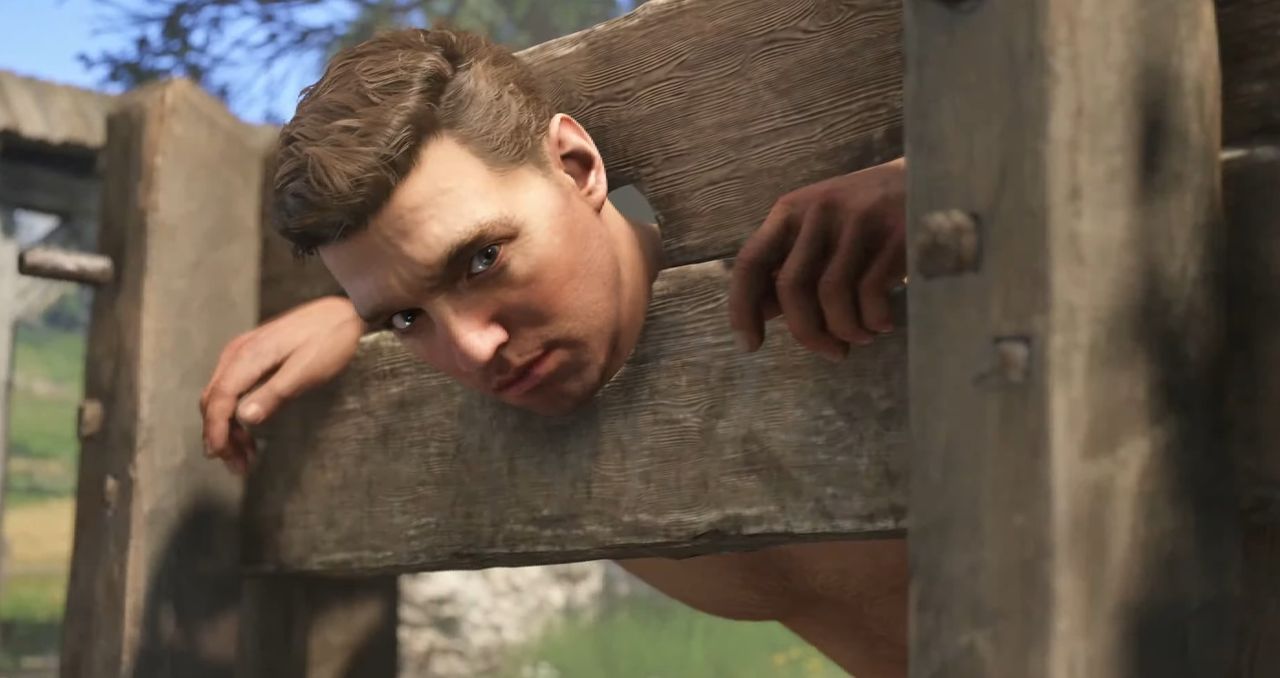
The arrival of DLSS 5, NVIDIA‘s latest leap in AI-driven upscaling technology, has sparked more than just technical chatter; it has ignited a fierce debate about the role of artificial intelligence in shaping artistic vision within the gaming world. While the promise of enhanced visuals is undeniable, the technology has also presented a deeply unsettling aesthetic transformation that forces developers and critics alike to ask a tough question: where do we draw the line between technical refinement and artistic intent?
At the heart of the controversy is the visual impact of the new AI processing. Some observers have found the results uncanny, arguing that the pursuit of photorealism has sacrificed the unique artistic flavor of the original creation. This tension is amplified when considering the notion that AI is not merely fixing technical flaws, but actively making creative decisions about the final look of a game.
This friction is acutely felt by those crafting worlds. Daniel Vávra, the director of the Kingdom Come: Deliverance games, stepped firmly into the arena to defend the integration of DLSS 5. He argued that the technology was instrumental in achieving the team’s goals, offering a method to realize their intended vision more effectively.
Vávra highlighted the difference between technical correction and artistic interference. He pointed out that in the context of their work, features like shadows, skin texture, and normal map rendering were not merely graphical elements but integral parts of the game’s aesthetic. He stated that removing these details was contrary to their original artistic intention, suggesting that the technology, when applied correctly, served as a tool for realization, not a disruptive force.
Yet, the reaction from the wider community was sharply divided. Critics on social media immediately voiced concerns that the AI’s intervention resulted in an undesirable, bizarre look, arguing that while technical fidelity might be achieved, the resulting imagery lacked soul. Some argued that the machine, in its pursuit of realism, was overriding the unique stylistic choices made by the human artists.
The philosophical implications of this debate extend beyond mere graphics. The conversation touches upon the very nature of creation: if an algorithm can refine an image to a higher standard, does it diminish the value of the human effort that preceded it? This line of inquiry echoes the broader, contentious relationship between studios and AI, as evidenced by reports that developers have faced decisions regarding their employment, with some citing the displacement of human talent by artificial intelligence.
The story of DLSS 5 thus becomes a microcosm of the larger technological shift in entertainment—a fascinating collision between cutting-edge engineering and the enduring human need for artistic control. Whether AI serves as a powerful assistant or a misguided dictator, the pursuit of perfect visuals continues to challenge us to redefine what art, and what vision, truly means.
Buy on Amazon
Credit