L4D2 writer says Valve leaked trailer to bypass ESRB rules
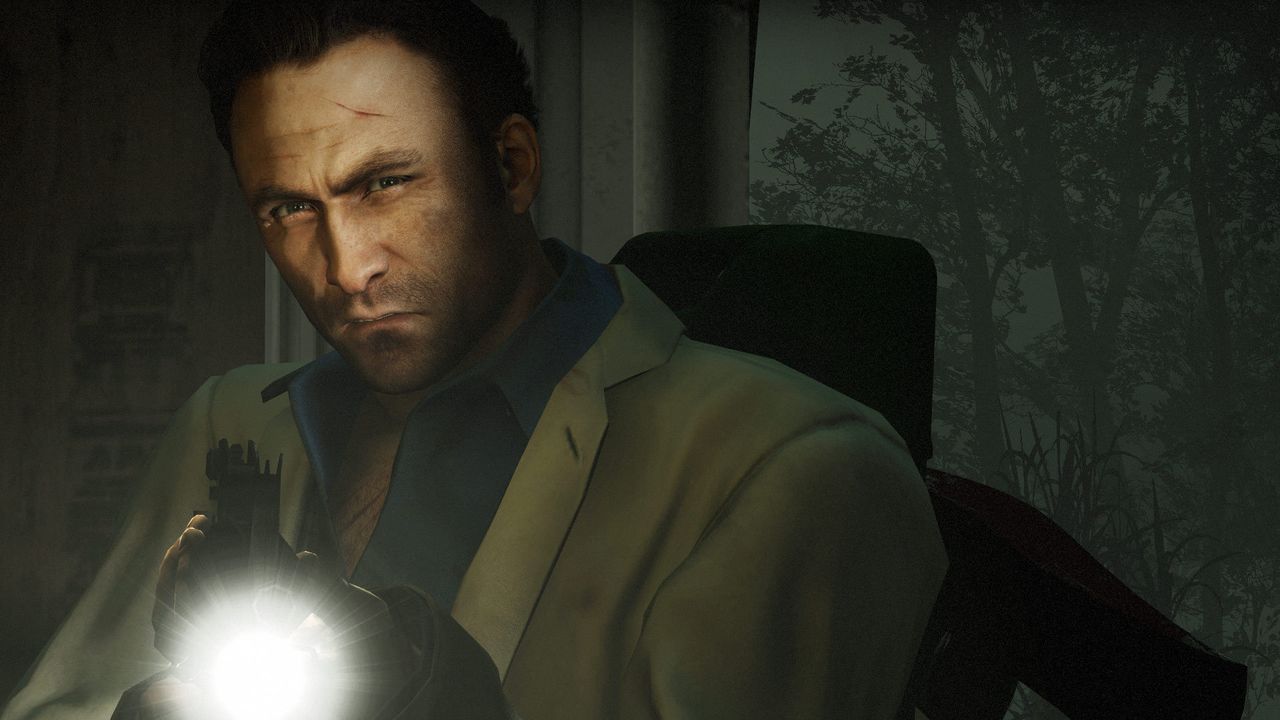
When we look back at the rise of cooperative gaming, it’s easy to focus on the gameplay mechanics. But behind the success of titles like Left 4 Dead 2 lies a fascinating story of corporate navigation, censorship battles, and some rather clever behind-the-scenes maneuvering.
The release of Left 4 Dead 2 in 2009 followed a landmark series, but the path to launch was anything but smooth. While the sequel ultimately proved to be a worthy successor to the original game, the process was complicated by the often-turbulent landscape of content regulation. The atmosphere surrounding the game’s development hinted at some skulduggery, prompting questions about how Valve handled the delicate balance between creative freedom and regulatory oversight.
The real twist, however, involved promotional material. Shortly before the game launched, a cinematic trailer—which would eventually become an introduction to Left 4 Dead 2—leaked onto the internet. This wasn’t just a casual slip-up; it was a deliberate move orchestrated by Valve to evade the scrutiny of bodies like the Entertainment Software Ratings Board (ESRB).
This revelation wasn’t made by chance. Former Valve writer and Left 4 Dead designer Chet Faliszek revealed that the decision to leak the trailer was a strategic response to persistent regulatory pushback. At the time, Valve had been engaged in disputes with numerous countries and rating boards regarding the violence and profanity depicted in the series. To ensure compliance, the development team had taken steps to sanitize the content, focusing heavily on avoiding profanity.
Faliszek explained that while Valve pushed for content to meet standards, the regulatory oversight extended beyond the final game itself. The rules applied equally to marketing materials, including trailers. He noted that content deemed too mature or foul-mouthed could result in promotional material being banned outright.
Faced with this strict regulatory environment, Valve opted for a different approach. Instead of waiting for official release channels, the team chose to release the trailer “by accident.” As Faliszek put it, they leaked it ahead of time because they were simply not permitted to release the official trailer through standard channels.
This move, while unconventional, allowed the content to circulate online, circumventing the official censorship process. It was a testament to Valve’s ability to navigate complex legal and regulatory waters, demonstrating that sometimes, the most creative solutions are born out of necessity—and a dash of clever corporate strategy.
Buy on Amazon
Credit