Launch the whole PC catalog as your exclusive deal
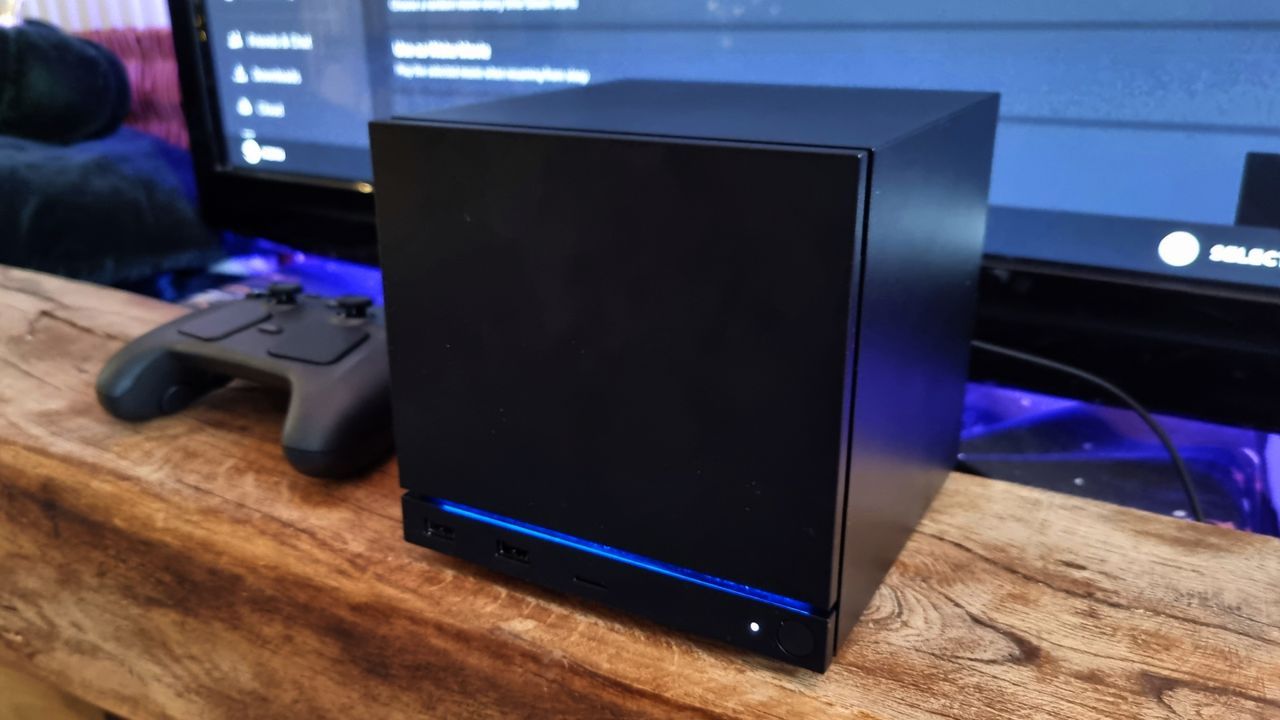
The dream of the living room PC is no longer a futuristic fantasy; it’s a reality built by hobbyists. While the high-end Steam Machine captured much of the spotlight, the spirit of custom, accessible gaming hardware has been bubbling up for years—long before those $1,000 cubes became ubiquitous.
The true revolution, in many ways, lies not just in the hardware itself, but in the open platform philosophy championed by Valve. Anyone can build a machine running SteamOS, demonstrating that the power of PC gaming doesn’t require proprietary ecosystems to unlock.
This openness is baked into Valve’s design ethos. Rather than focusing on creating exclusive games for its Linux-based devices, the company aims to foster an environment where hardware manufacturers can innovate and offer superior performance or unique features to the Steam Machine concept.
“We want it to still be viable for other hardware manufacturers to offer things like the Steam Machine either with higher performance or a different feature set,” explained Valve engineer Yazan Aldehayyat. This perspective shifts the focus from walled gardens to a wider, more dynamic marketplace.
Valve’s long-term vision isn’t about fighting over console exclusives, but rather making the entire PC platform the central hub for gaming innovation. As Valve engineer Loup Griffais put it, they look at the bigger picture: “Someone that is creating one of those PCs might actually create some meaningful innovation that is really important for things to come on PC that becomes so universal and brings the experience forward by that much that now the experience is better for everyone.”
The legitimacy of this open approach was cemented by SteamOS itself. Its console-like interface and relative ease of use have proven that a sophisticated gaming environment doesn’t need to be locked down by a single giant corporation.
Valve’s savvy business model further supports this ethos. Their marketplace dominance, coupled with the substantial cuts taken from sales on the platform, ensures that their success is tied to the growth of the entire PC community, regardless of specific hardware choices.
This principle isn’t just theory; it’s playing out in the real world. Other companies have embraced Valve’s framework, proving that SteamOS is a viable operating system for diverse hardware. For instance, a Lenovo Legion Go handheld running SteamOS achieved higher scores than the original Steam Deck—a clear example of Valve’s belief in external innovation.
The message is clear: true innovation in gaming comes from a universal platform, not from artificial restrictions. By keeping the door wide open, Valve ensures that the PC experience continues to evolve, benefiting everyone who loves to play.
Buy on Amazon
Credit