Lenovo Legion 7a gets RTX 5070 and Ryzen AI 9 CPU
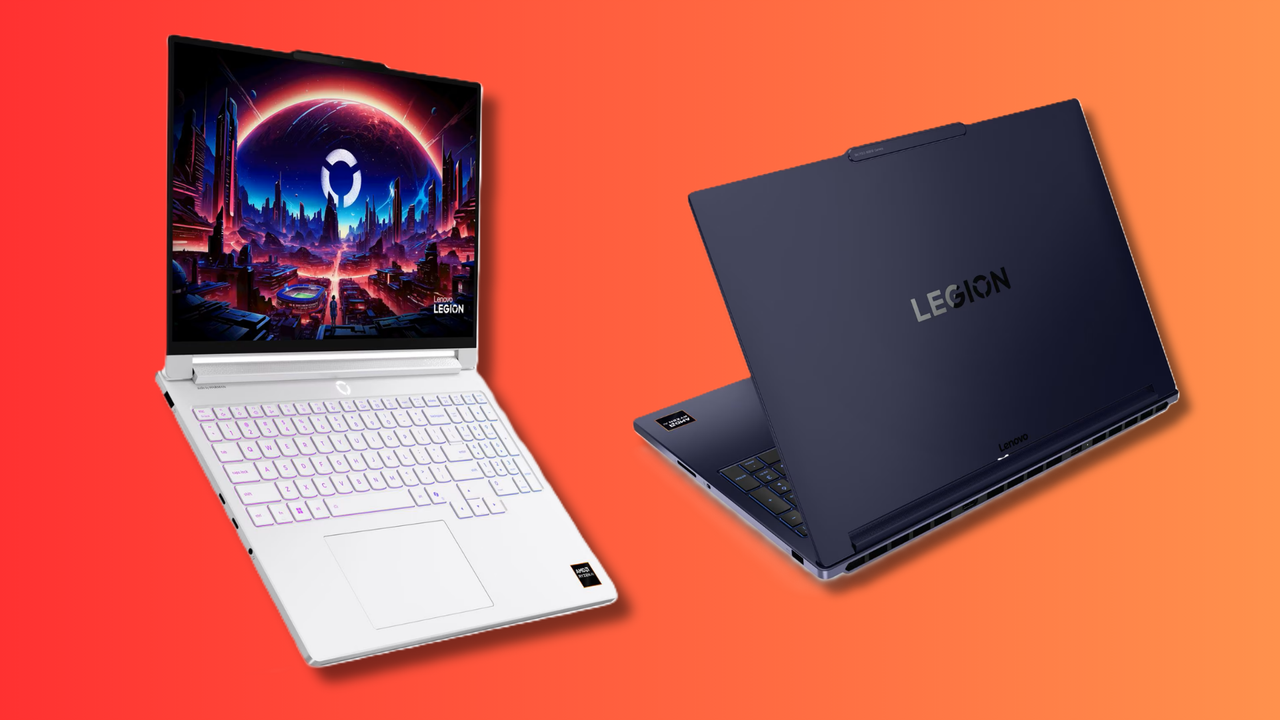
Gaming laptops are constantly evolving, and this latest iteration proves that even high-end machines are pushing the boundaries of what’s possible. Lenovo has just rolled out a significant upgrade for its Legion 7a 16-inch gaming laptop, equipping it with the more powerful 12GB version of the RTX 5070 mobile graphics card.
This split in the GPU architecture is part of a broader movement by Nvidia to offer gamers choice. Previously, the 5070 SKU was constrained to an 8GB of VRAM, but Nvidia recently overhauled it, creating two distinct variants: one with 8GB and a more capable version with 12GB.
Lenovo has positioned itself among the first vendors to bring this expanded specification to retail devices. The resulting machine is undeniably packed with premium components, including a formidable Ryzen AI 9 HX 470 CPU, 32GB of LPDDR5X-8000 memory, and a speedy 1TB PCIe 4.0 SSD.
The aesthetic package is equally impressive: a gorgeous 2560 x 1600 OLED display boasting a smooth 240 Hz refresh rate, all wrapped in solid build quality and advanced I/O capabilities. This laptop is clearly designed for serious performance.
However, this flagship upgrade comes with a hefty price tag, listing at a considerable $3,375 on retail sites. While the cost reflects its premium status, it highlights the ongoing tension between bleeding-edge hardware and consumer affordability in the gaming sector.
Interestingly, when looking at the pricing context, the enhanced version of the GPU is now commanding a significant delta compared to previous models. This expansion shows that while Nvidia initially positioned RTX 5070 devices around $1,299, factoring in the increased VRAM capacity means consumers are paying more for the expanded capability.
Beyond the cost, there are technical specifications worth noting. The RTX 5070 in this new Legion 7a runs at an 115W TGP, which is slightly higher than Nvidia’s established 100W baseline. Furthermore, gaining those extra 4GB of VRAM—by utilizing different memory modules—is crucial. This increased capacity directly translates to improved performance in demanding modern titles and sophisticated AI workloads, especially when ray tracing is involved.
This shift addresses a long-standing frustration among PC builders: the limitation imposed by fixed video memory pools. Customers have frequently voiced concerns about manufacturers insisting on restrictive 8GB pools for various GPUs, which limits future-proofing. By offering more VRAM options, this development gives users much-needed flexibility to tailor their hardware for maximum efficiency and performance.
While the Legion 7a commands a premium, it sits in a competitive space, especially when compared to other high-spec options available on the market, such as Lenovo’s own Legion 7i line featuring a Core Ultra 9 290HX Plus processor. Ultimately, this update showcases how hardware evolution is moving toward greater flexibility and power for the discerning gamer.
Credit
