Lenovo’s OLED laptop features 240Hz inkjet panel
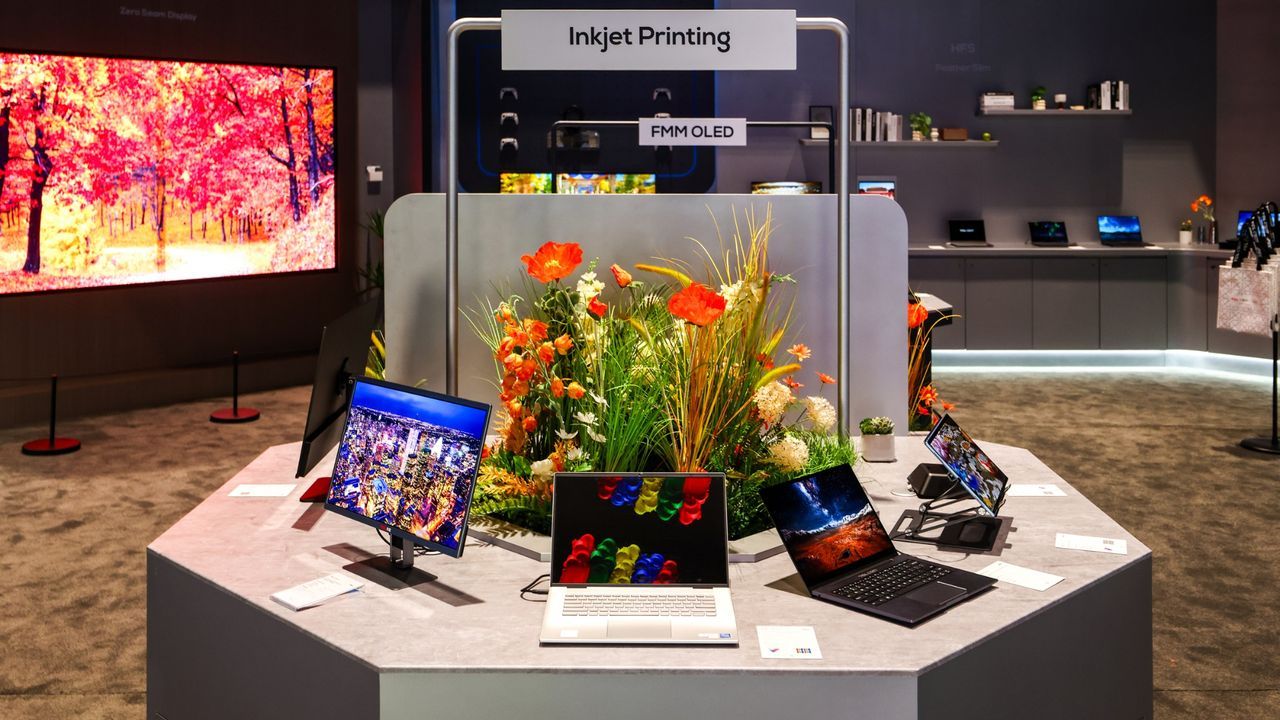
The Ink Revolution: How Inkjet Printing is Redrawing the Future of OLED Displays
A new era in display technology is dawning, powered not by traditional vacuum methods, but by the precision of inkjet printing. Chinese electronics giant TCL CSOT has taken a decade of innovation and finally brought its groundbreaking inkjet-printed (IJP) OLED displays to market, launching them into consumer electronics with the Lenovo Legion R9000P laptop.
This move isn’t just about a new gadget; it’s a significant leap toward commercializing next-generation display technology. The Legion R9000P is positioned as the first laptop in the world to feature TCL CSOT’s proprietary IJP OLED technology, demonstrating how advanced manufacturing can redefine quality and accessibility in portable devices.
What makes IJP OLED so compelling? While traditional methods like vacuum thermal evaporation (VTE) dominate the market, inkjet printing offers a fundamentally more efficient path to production. This technique is simpler and cheaper, allowing manufacturers to achieve higher yields and ultimately drive down costs for consumers.
Beyond cost savings, IJP technology promises tangible performance upgrades. These displays deliver stunning visuals, such as a 16-inch resolution that supports a 240 Hz refresh rate while covering more than 99% of the DCI-P3 color gamut. Crucially, inkjet printing also addresses long-standing OLED limitations by promising improved brightness—a vital feature for portable devices like gaming laptops that need to perform flawlessly across varied lighting conditions.
The potential ripple effect of this innovation is vast. If IJP technology continues its trajectory, it has the power to dramatically lower the cost of premium OLED gaming monitors and televisions, allowing high-contrast, vibrant visuals to become accessible to a much wider audience.
TCL CSOT’s commitment to this technology is deep, backed by years of research. The company has been mass-producing its 5.5-generation IJP OLED since 2024 and is actively working on the next generation, currently constructing production lines for its 8.6-generation panels. This commitment ensures that IJP will move from a niche technology to an industry standard.
This shift is already being adopted by competitors. For instance, MSI has also integrated this new IJP OLED panel into their recently announced Pro Max line of monitors, confirming the viability and appeal of the inkjet printing approach across the industry.
Looking ahead, experts anticipate that inkjet-printed displays will eventually permeate more areas of our digital lives. This technology is poised to revolutionize TVs and smartphones, making high-quality OLED experiences more affordable and competitive against emerging technologies like QLED and Mini LED. The future of screen technology looks bright, colorful, and printed.
Buy on Amazon
Credit