LG UltraGear GX9 Review Visual Performance Test
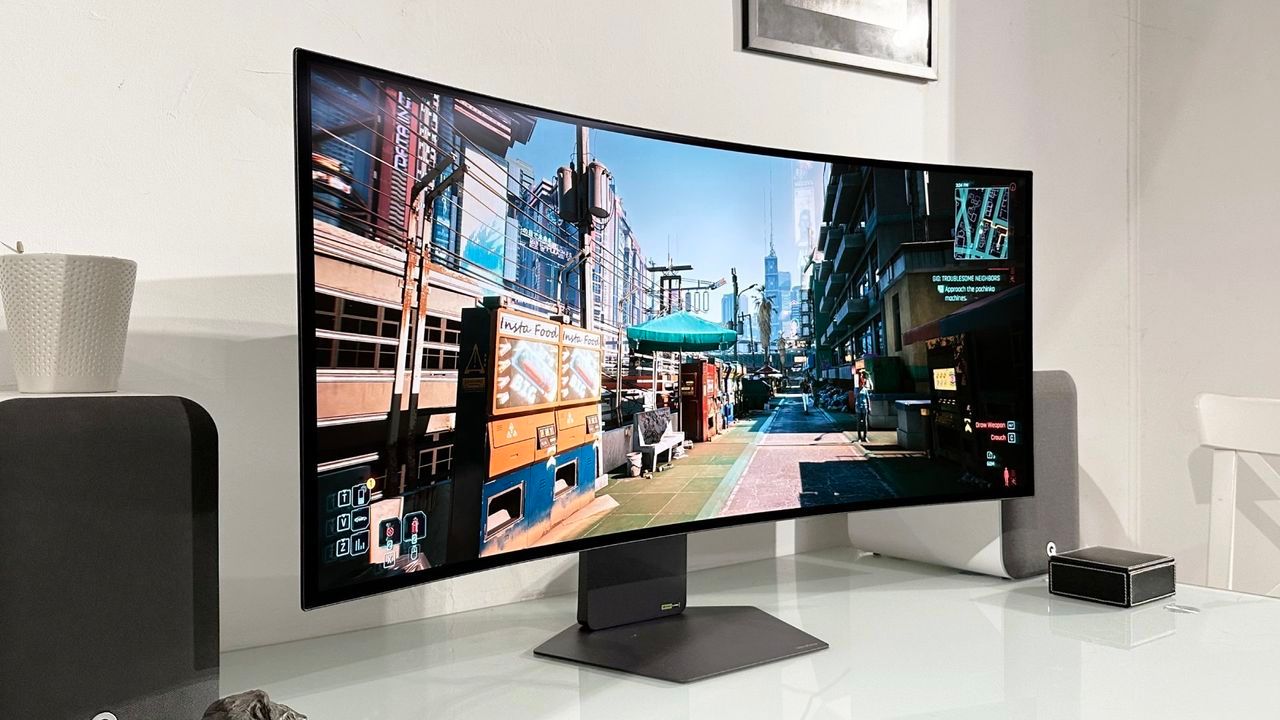
The Ultrawide Frontier: Is the LG OLED a Gaming Masterpiece or a Pricey Promise?
For years, PC gamers have dreamed of a true gaming spectacle—a monitor that marries massive screen real estate with the deep blacks and incredible contrast of OLED technology. Enter the LG UltraGear Evo GX9 39GX950B, a 39-inch ultrawide boasting 5K2K resolution and LG’s latest Tandem OLED panel know-how. It promises an epic visual experience, but as with any high-end display, the reality is a complex mix of breathtaking performance and nagging caveats.
On paper, this monitor is genuinely stunning. Stretching across 39 inches, the 5120 by 2160 resolution delivers pixel density equivalent to a crisp 4K experience on a smaller screen. This massive canvas creates unparalleled immersion, allowing gamers to dive into worlds with breathtaking clarity and expansive multitasking space. The sheer visual punch of OLED technology means that dark scenes explode with detail, making neon lights and deep shadows truly pop in ways older panel generations simply cannot match.
The technical specifications back up the hype. The display handles demanding motion effortlessly with a blazing fast 0.03 ms response time, ensuring fluid, tear-free gameplay. With native performance hitting 165 Hz at 5K2K, and supporting dual-mode options that can hit 330 Hz, it comfortably satisfies the needs of high-speed competitive play.
But when you look beyond the raw numbers, a few details introduce interesting friction. While the brightness—up to 1,500 nits peak HDR—is certainly competitive within the OLED landscape, it still falls slightly short of some rivals, particularly those utilizing newer Samsung QD-OLED technology. Furthermore, while the matte anti-glare coating is aesthetically pleasing, it does introduce a slight compromise to overall contrast.
The smart features are also playing catch-up. LG’s built-in AI upscaling is present, but its effectiveness feels somewhat underbaked compared to industry standards like Nvidia’s DLSS or AMD’s FSR, leaving users reliant on existing GPU scaling techniques for the smoothest experience.
Perhaps the most significant reservations center on the practicalities. The starting price tag of around $1,799 or £1,549 is hefty. More critically, LG’s two-year warranty leaves buyers exposed to potential burn-in issues down the line—a significant concern when investing in premium OLED technology.
Adding to the complexity is the ongoing shadow cast by competitors. Alienware has already launched a similar vision with the AW3926QW, utilizing an almost identical LG panel but incorporating a distinct RGB-stripe subpixel structure. This introduces an open question: does the potential benefit of this new structure outweigh the risk for those who choose the LG version? We are left waiting to see if that alternative approach delivers superior vibrancy and performance.
Ultimately, the LG UltraGear Evo GX9 39GX950B is an epic gaming tool. It offers unparalleled size, razor-sharp clarity, and a phenomenal foundation for immersion. However, prospective buyers must weigh the sheer visual delight against the practical concerns of warranty length and the burgeoning competition in the OLED arena.
Buy on Amazon
Credit