LGA 1700 gaming performance drops by 25% in mid-2026
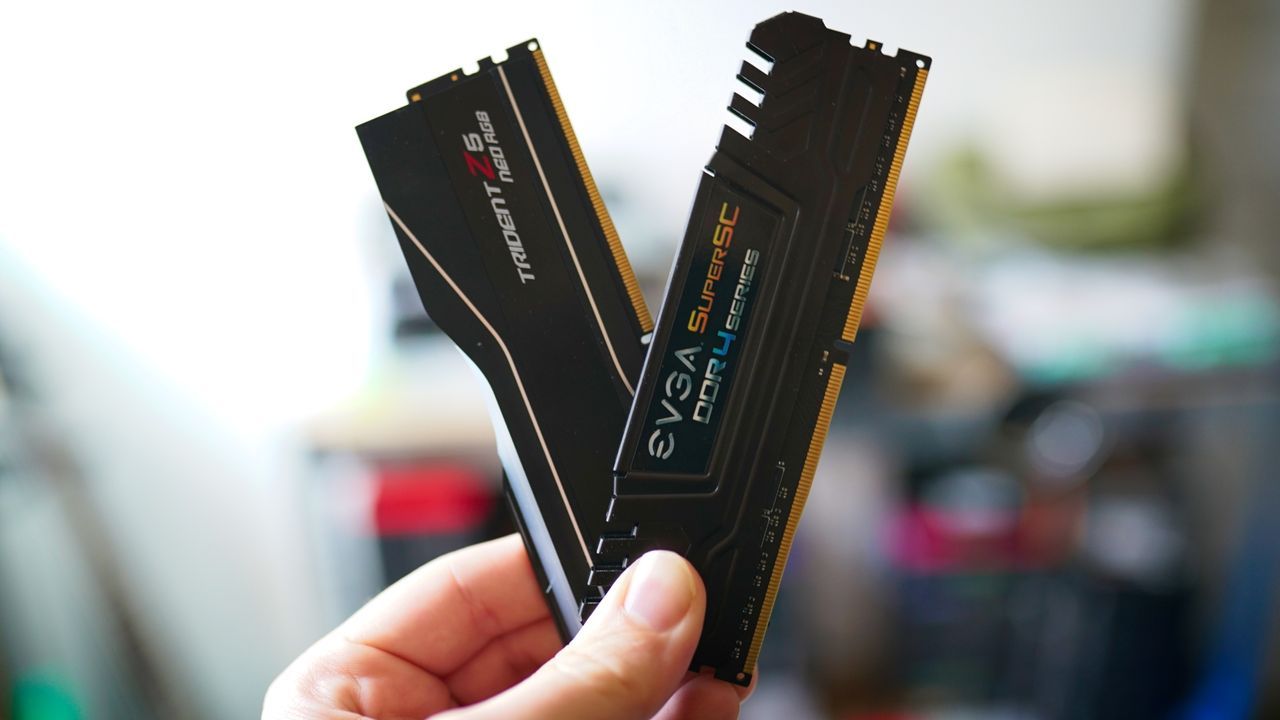
Building a new gaming PC today often feels like navigating a tricky maze, especially when it comes to memory. The push for DDR5 is undeniable, yet for many builders, the expense and complexity of upgrading their entire system upfront presents a serious hurdle. We’re constantly chasing the latest CPU releases, but often find ourselves stalled by the memory requirement.
Fortunately, there might be an elegant escape route that simplifies this process. Intel’s LGA 1700 platform offers an unintended solution: it allows users with existing DDR4 kits to upgrade their CPUs while still maintaining the flexibility to transition to DDR5 down the line. It’s a smart on-ramp, offering a practical way to upgrade without immediately facing the full burden of a new memory standard.
The core idea is simple: why buy new RAM when you don’t have to? By leveraging existing DDR4 memory, builders can enjoy newer CPUs while retaining a pathway to next-generation speeds later. This approach keeps costs down and sidesteps the complexity of mixing memory standards mid-build.
To truly test this theory, we focused on gaming performance—a domain where memory speed makes a significant difference. We examined Intel’s LGA 1700 CPUs because they provide the only true apples-to-apples comparison between DDR4 and DDR5, as not all current processors support both standards.
Our extensive testing revealed a consistent pattern: while DDR5 offers potential performance gains, there is still a noticeable gap when paired with newer Intel chips. Overall, users stepping from DDR4 to DDR5 can expect a gaming performance drop of approximately 11% to 14%. This difference widens as the CPUs become more powerful, demonstrating that older memory standards begin to act as a bottleneck when paired with cutting-edge silicon.
We observed this trend across various titles. In newer, demanding games like Marvel Rivals, the performance disparity between DDR4 and DDR5 became quite stark for higher-end CPUs. This suggests that while DDR5 is undeniably faster, the practical difference in day-to-day gaming experience is nuanced.
However, the performance comparison isn’t the whole story. When looking at the economics of the upgrade, things shift considerably. While DDR5 kits demand significantly more upfront investment, a DDR4 kit remains very cost-effective, especially considering that memory shortages may persist well into the future.
The most pragmatic approach often involves recognizing this trade-off. If you are focused purely on maximizing gaming performance with current hardware and budget constraints, sticking with a carefully selected DDR4 platform can make sense. The performance bottleneck created by DDR4 is less severe in some older titles or when paired with specific CPU generations.
Ultimately, the decision comes down to strategy. For maximum future-proofing and peak performance potential, embracing DDR5 is the logical long-term choice. But for many users looking for a sensible upgrade path today—one that balances performance, cost, and platform longevity—leveraging the existing LGA 1700 architecture offers a compelling middle ground.
Buy on Amazon
Credit