Linux: From 10k lines to global infrastructure dominance
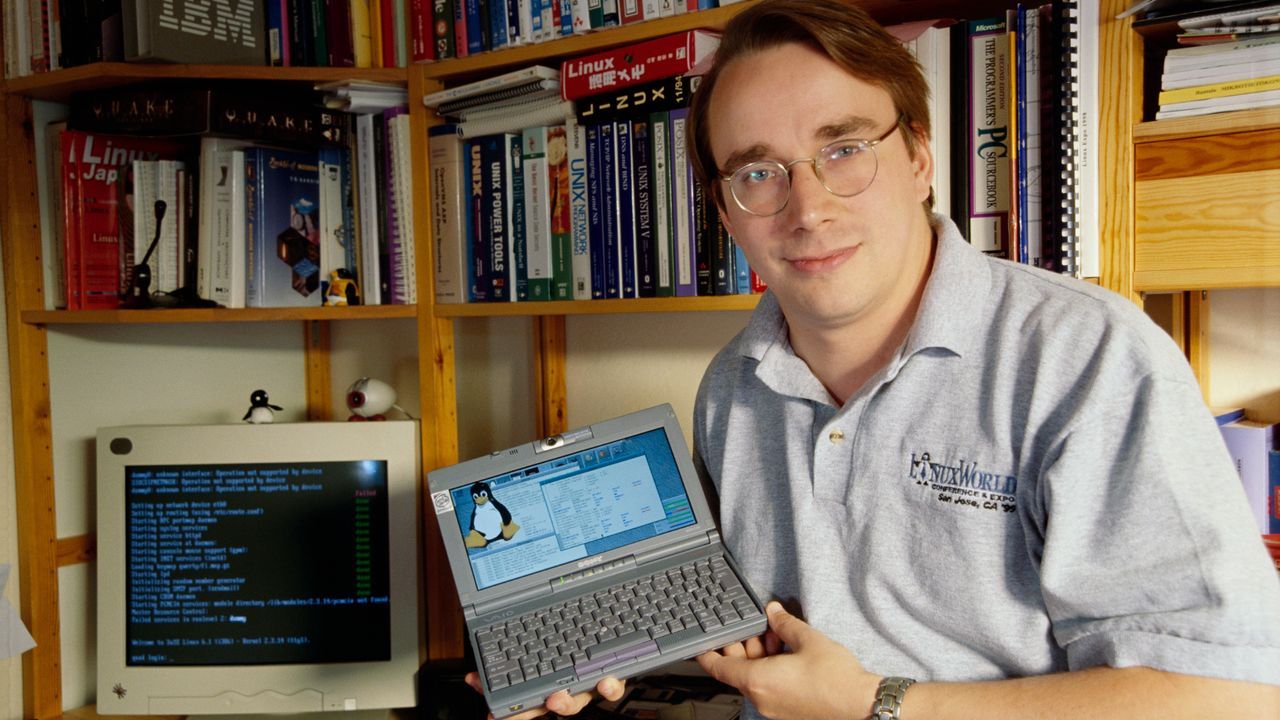
Thirty-five years ago, the seeds of a revolution were sown not in a corporate boardroom, but in the quiet, collaborative space of a computer science hobby. In 1991, Linus Torvalds announced Linux, an operating system that began as an idea and quickly transformed into one of the most influential pieces of software in human history. What started as a small kernel quickly ballooned, evolving from a handful of lines of code into the sprawling, complex foundation that powers the modern world.
This journey from a simple hobby to a global behemoth is a testament to the power of open source. What began with Torvalds’ initial kernel quickly attracted hundreds of maintainers and thousands of contributors who pooled their genius. Together, they forged an operating system that proved capable, competitive, and, crucially, free—a capable alternative to expensive, proprietary software.
Today, Linux is not just a niche operating system; it is the invisible engine driving the digital economy. Its influence stretches far beyond personal computers and gaming. Industry statistics reveal that Linux dominates critical infrastructure, powering nearly 80% of web servers and forming the core of the world’s top supercomputers. This dominance extends into the realm of mobile technology, with Linux-derived kernels powering the powerful Android devices that billions of people use daily.
Beyond the data centers and smartphones, Linux is embedded into countless physical devices. From high-speed routers and automotive microcontrollers to sophisticated embedded systems, the ubiquitous presence of Linux proves its versatility and fundamental role in modern technology.
The momentum behind Linux continues to accelerate. Over the last few years, the project has made significant strides toward realizing the vision of a “year of Linux.” In the consumer sphere, the shift toward Linux-based solutions is becoming increasingly tangible. Content creation, productivity, and high-end gaming are increasingly finding viable, powerful platforms on Linux, demonstrating that it is a genuinely competitive force against established commercial rivals.
In a complex landscape where ownership and licensing are often contentious, the community has also achieved a major victory. The decades-long ownership dispute surrounding Linux was effectively put to rest after a legal appeal was rejected by the U.S. Court of Appeals. This ruling has banished lingering legal uncertainty, offering a much-needed sense of stability for Linux devices facing future licensing claims and regulatory scrutiny.
From a student’s curiosity in 1991 to the commanding role it plays in supercomputers, mobile phones, and consumer electronics today, Linux stands as a remarkable example of how a collaborative, open approach can fundamentally move computing forward for humanity.
Credit