Liquid metal nearly destroys Asus laptop fix paste to triple framerates
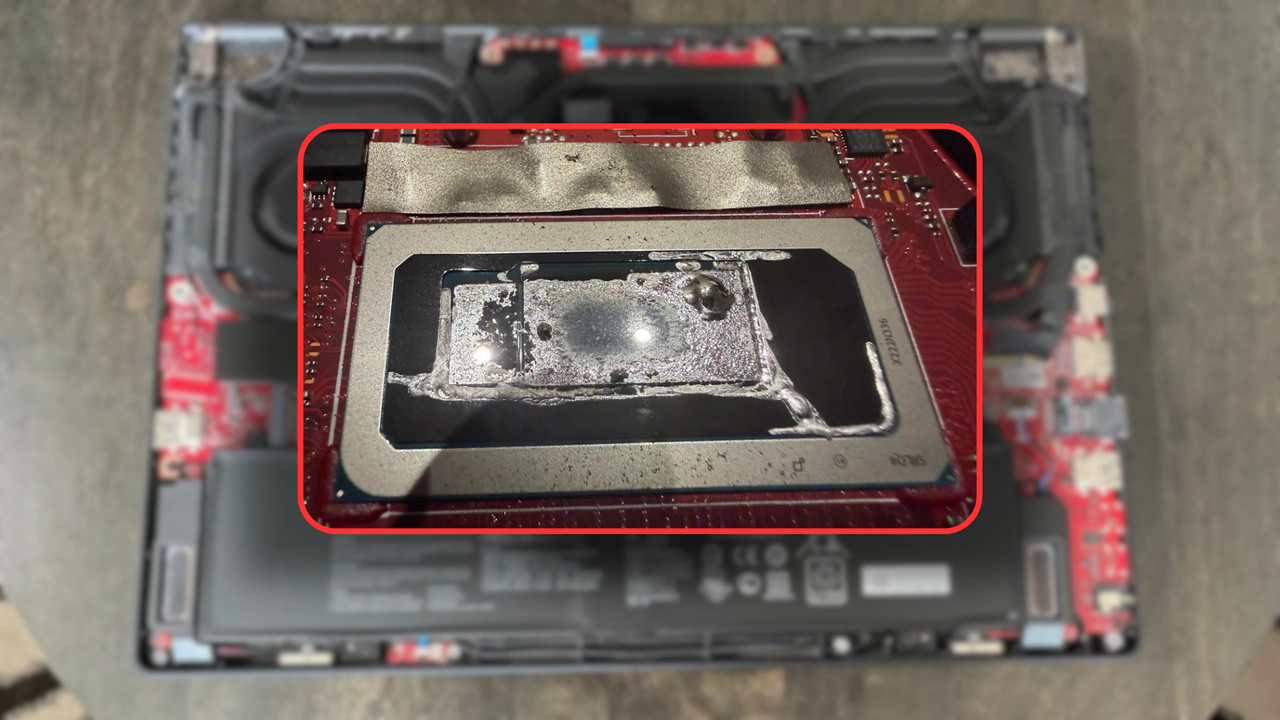
High-end gaming and professional laptops are marketed on sleek design and peak performance, but beneath the polished exterior of these machines lies a complex engineering puzzle. One of the latest trends in thermal management involves the use of liquid metal as a Thermal Interface Material (TIM), a method that promises superior heat transfer. However, this innovative approach has exposed serious instability and potential hazards when implemented in mass-market consumer electronics.
The promise of liquid metal is tempting, but in practice, it proved to be a highly inconsistent solution. For some users, this method wasn’t a pathway to cooler performance; it was a slow-motion thermal catastrophe. Take, for example, a Zephyrus M16 laptop where the instability became painfully clear. Despite being a machine built to handle intense loads, the unit began exhibiting erratic behavior, characterized by severe overheating and spontaneous system crashes.
The issue was not a simple software glitch. It was physical degradation stemming from the application itself. It turned out that the liquid metal applied directly to the CPU was not adhering properly. Over time, the chemical composition of the liquid metal—which Asus utilized—began to react with the surrounding components. This process led to the liquid metal slowly eroding the heatsink and, in extreme cases, dangerously approaching the silicon die itself.
The mechanism behind this failure is rooted in chemistry. Liquid metal is electrically conductive, and while it functions well as a heat conductor, the chemicals used to make it adhere to the surface can act as a corrosive agent over time. This process of corrosion, combined with the application method, created microbridges that caused short circuits in the adjacent components. Asus’s attempt to accelerate adhesion with abrasive chemicals ultimately backfired, eating away at the hardware rather than protecting it.
The visual evidence of this physical damage was stark: the heatsink was visibly compromised, and the liquid metal had seeped into sensitive areas. Fortunately, the damage was caught before a complete meltdown occurred. The solution required a radical intervention. The user carefully removed the faulty thermal interface and used specialized techniques to neutralize the corrosion, allowing the underlying hardware to be restored.
Once the corrosive layer was removed and the components were meticulously cleaned, replacing the flawed liquid metal with a stable, high-quality thermal paste—such as GD900—yielded immediate and dramatic results. Temperatures plummeted, system crashes ceased, and overall performance was restored to its peak. The machine didn’t just cool down; it achieved a level of efficiency that was previously unattainable.
This experience prompted a wider reflection on the viability of liquid metal in portable devices. The ordeal demonstrated that the factory-applied, automated application process is not foolproof. If this instability can occur in a consumer laptop, the concerns extend to other areas where highly conductive materials are used in sensitive, portable electronics. There is a growing call for a ban on using liquid metal in laptops and other devices, prioritizing long-term reliability and safety over experimental thermal solutions.
Buy on Amazon
Credit
