Logitech lawsuit demands money after $61M tariff refund
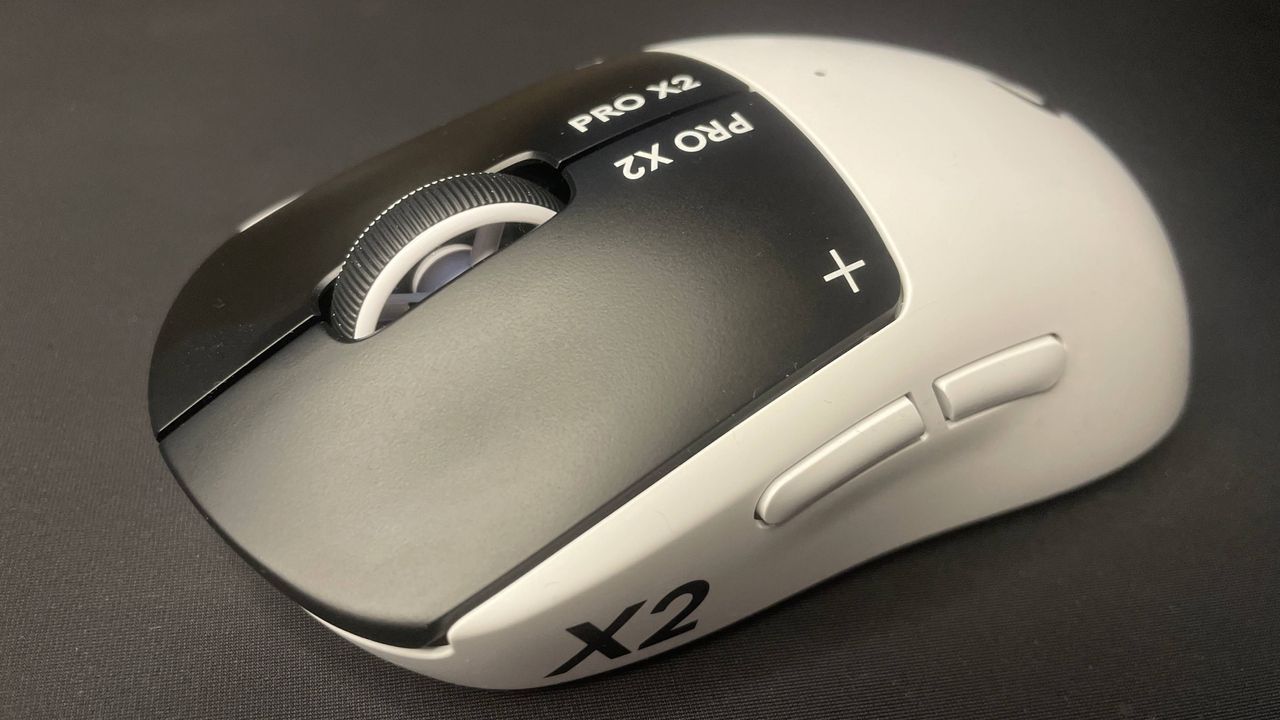
The Tariff Tally: A Class Action Battle for Consumer Refunds
A class action lawsuit has been filed against Logitech, aiming to recover money that plaintiffs allege was extracted from American consumers due to tariffs implemented during the Trump administration. The legal challenge frames the dispute as a case where a large multinational corporation allegedly took advantage of customers who rely on manufacturers to sell goods in good faith.
The suit, led by a construction company and a California resident, argues that Logitech refused to be transparent by raising prices across its product catalog to account for tariff costs, and subsequently failed to return tariff proceeds after the US Supreme Court declared those tariffs unlawful.
The central argument put forth by the plaintiffs is that the company enriched itself twice over at the expense of the customers. They contend that Logitech allowed the tariff-justified overcharges to be collected and then received a government refund of those exact duties, resulting in an unjust gain for the corporation.
Logitech’s response has touched on the complex economic realities of the situation. In subsequent earnings calls, company executives, including the CFO, pointed to expanded gross margins as being influenced by pricing actions and favorable currency movements. They suggested that these factors, along with promotions, largely offset the impact of the tariffs.
The legal action takes place against a backdrop of ongoing trade disputes. The tariffs in question were ultimately ruled against by the US Supreme Court in February of this year, which found the US president lacked the authority to impose them.
While the legal fight against Logitech is underway, the wider trend of consumer-led actions is gaining momentum. Several other major technology companies and hardware manufacturers are also pursuing similar legal avenues to seek tariff refunds for their customers.
This push for redress is not isolated. Companies like Nintendo, Sony, Microsoft, and even PC cooling firm Arctic have engaged in similar legal actions, seeking refunds related to tariffs. The movement reflects a growing demand for transparency and accountability regarding how global trade policies translate into costs for American buyers.
As the legal battle continues, the focus remains on achieving a judgment that forces Logitech to share the proceeds with its customers, addressing the question of how global trade obligations should ultimately affect the wallets of individual consumers.
Credit
