Loudoun County residents push back on data center boom
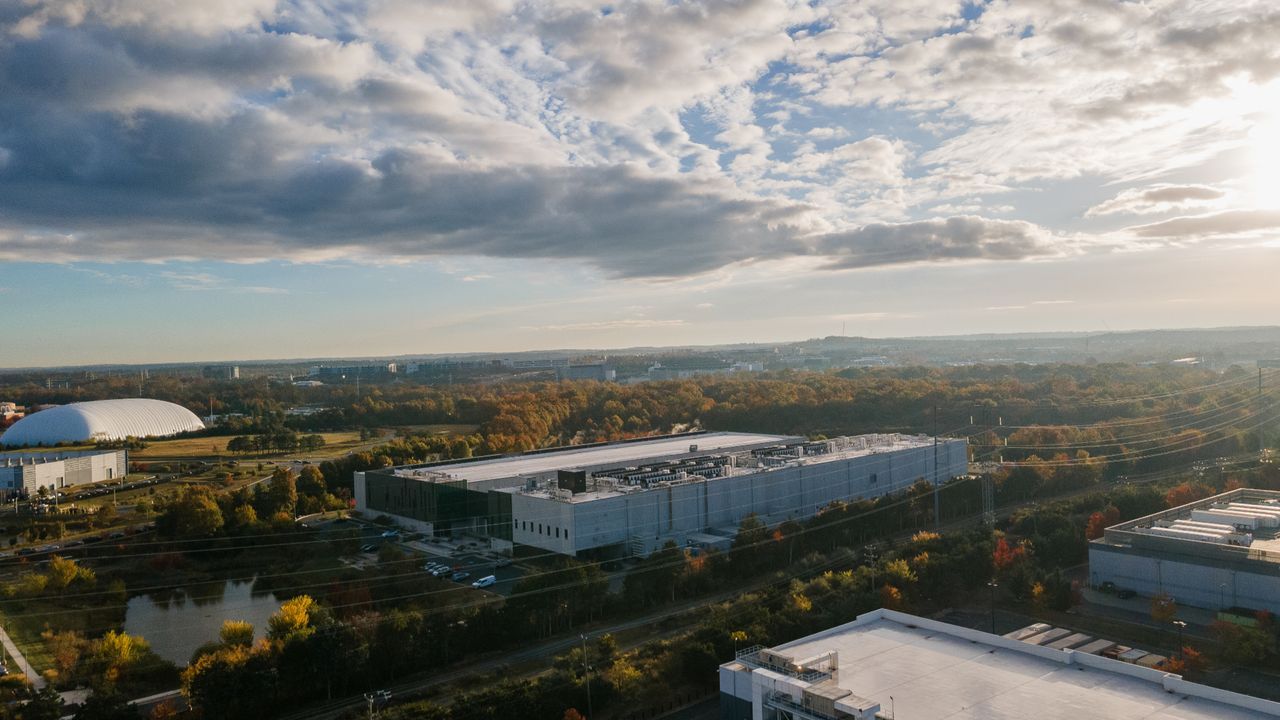
The Digital Divide: How Data Centers Reshaped Loudoun County and Sparked a National Debate
Nestled just 22 miles west of Washington, D.C., Loudoun County, Virginia, has become a hub for the world’s digital infrastructure. For years, the county experienced a massive boom in data center construction, a story that, at its peak, offered incredible economic rewards. However, this rapid growth has recently led to a critical turning point as local residents begin to scrutinize the true cost of this digital expansion.
The journey began with federal demands for fiber internet lines, which spurred early infrastructure development. This momentum accelerated during the late 1990s dot-com craze, making the region an ideal location for early data storage and infrastructure. By the year 2000, the county took a defining step, voting to categorize data centers as office parks, allowing companies to build facilities with minimal oversight. This policy successfully incentivized tech giants to establish themselves locally.
The results of this strategy were undeniable. By 2007, Loudoun County hosted 29 data center facilities, a number that nearly tenfold increased within the next two decades. Crucially, these developments brought substantial financial benefits. Data centers generated a staggering $150 million in 2015, growing to $1.1 billion by 2025. This revenue windfall allowed the county to drastically cut property taxes to just $0.805 per $100 of assessed value—a rate among the lowest in the United States for a suburban area.
This economic success translated directly into community improvements. The revenue funded new schools, the development of a $102 million recreation center with pools and hydro massage chairs, the creation of a public park, and enhancements to fire and emergency services. Residents largely embraced these developments, citing the benefits of lower taxes, better jobs, and improved public amenities.
Yet, the narrative is shifting. While the local community reaped the financial rewards, the broader national conversation around data center development has taken a significantly darker turn. Across the country, new projects have ignited serious concerns regarding environmental impact. Issues ranging from electricity price hikes up to 76% in power-hungry regions and excessive water consumption to allegations of noise pollution and environmental damage from unpermitted gas turbines are now central to public opposition.
The complexity of the issue has escalated further, with many states and counties passing moratoriums on new data center builds as public opposition grows. This national backlash is tied to concerns over the massive power and water demands required by modern artificial intelligence workloads, which puts immense strain on local resources.
In Loudoun County, this tension is now playing out on specific local fronts. Residents are raising alarms about developments, citing noise complaints from diesel and gas turbine generators at facilities like the Vantage data center, and concerns over large-scale infrastructure projects, such as high-voltage transmission towers planned near residential areas. Furthermore, there are reports of luxury real estate purchases that strain local housing markets.
In response to mounting community concerns, Loudoun ended its policy of zoning data centers as office parks. This shift means that any future development in the area must now undergo a rigorous public approval process, making the development of new facilities significantly slower and less guaranteed.
Ultimately, the challenge for Loudoun County is to reconcile its history of economic prosperity with the growing demands for environmental stewardship and quality of life. Data centers are undeniably vital to the digital economy, powering everything from social media to streaming services. But moving forward, the question is whether future growth can be managed in a way that protects the community that hosts the infrastructure, ensuring that progress is not achieved at the expense of the people who call the region home.
Buy on Amazon
Credit
