Low-profile RTX 3060 12GB breaks cover for $496 LLM work
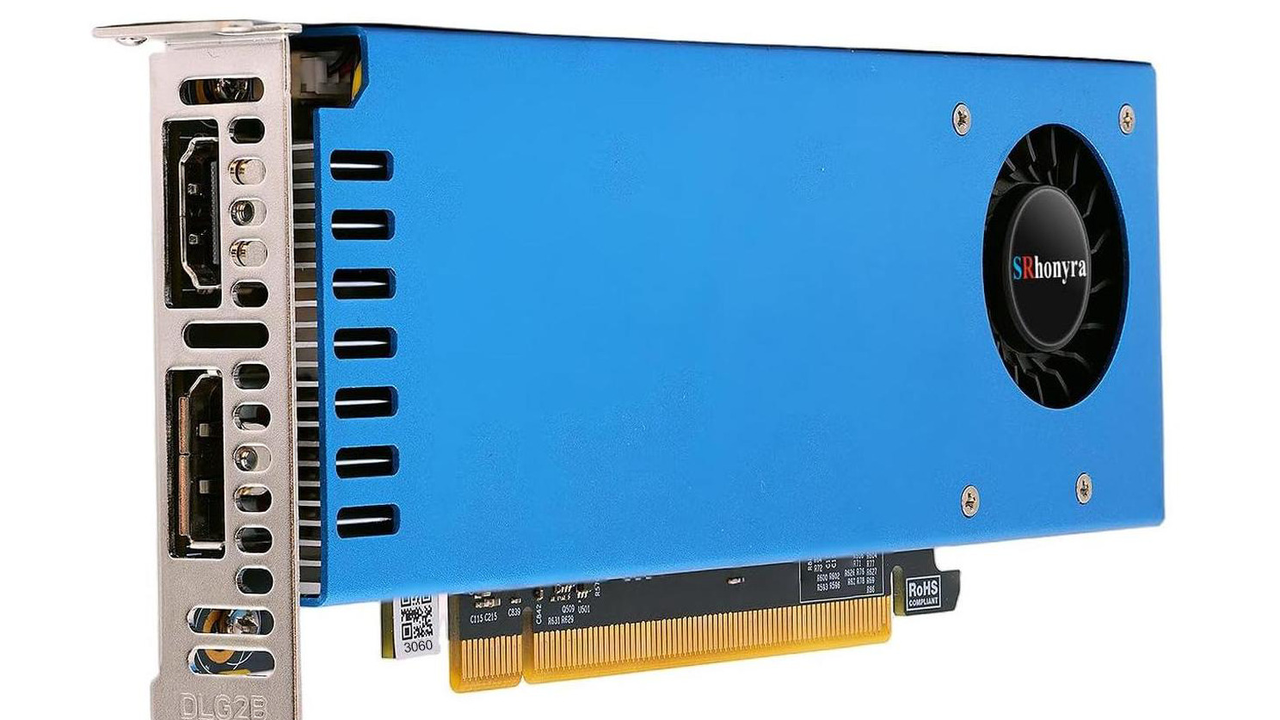
The world of PC hardware is constantly evolving, but sometimes the most exciting developments are simply the smart ways we can reuse and repurpose existing technology. Recently, the spotlight has turned to a classic powerhouse: the Nvidia RTX 3060, specifically the 12 GB version. What was once a mainstream card is now enjoying a triumphant return to retail, proving that sometimes, the best innovation lies in rethinking the design rather than just increasing the specifications.
When this card was first launched, it offered excellent value. Today, two years later, the price has naturally climbed, reflecting the general market trends for memory and storage. However, the real story isn’t just the price jump; it’s the inventive engineering happening behind the scenes, particularly with specialized variants designed for specific, demanding environments.
One such clever iteration is the emergence of low-profile, single-slot models. These cards represent a paradigm shift away from the bulky, power-hungry behemoths that dominate high-end setups. By embracing a low-profile design, manufacturers are addressing key frustrations faced by builders: airflow, cable management, and physical space.
The specific example of the SRhonyra RTX 3060 12 GB Low Profile card illustrates this perfectly. Priced competitively at $495.59, this card is not just a physical reduction; it is a philosophy of simplicity. It operates entirely by drawing just 70 W from the PCIe slot, effectively eliminating the need for a high-end power supply and a tangle of supplementary cables.
This minimalist approach unlocks immense potential for small form factor computing. These cards are perfectly suited for puny personal computers and systems where space is at a premium. They are designed to be seamlessly integrated, minimizing concerns about physical spacing and power delivery that often plague larger graphics cards.
Beyond the aesthetic and physical benefits, this design makes these cards ideal for emerging applications, particularly in the realm of local artificial intelligence. Enthusiasts are looking to use these streamlined GPUs not just as primary accelerators, but as secondary processing units. By pooling the available VRAM, users can effectively run larger language models, offering powerful local AI capabilities that were previously out of reach.
In a world increasingly focused on efficiency, this strategy shows that power is not just about raw computation; it’s about intelligent design. The low-profile RTX 3060 variant is a smart, thoughtful drop-in solution, offering performance and flexibility without the typical hardware headaches of bulk and complexity.
Credit