M4 Max vs GB10: Local AI performance and memory bandwidth
The race for local artificial intelligence processing power is heating up, pitting established giants like Nvidia and AMD against the unified memory powerhouse of Apple Silicon. As developers seek to run sophisticated Large Language Models (LLMs) on consumer hardware, the focus shifts from sheer processing speed to a deeper architectural consideration: how fast data can flow.
At the heart of this competition lies memory bandwidth. When running an LLM, the process of decoding—generating output tokens—is inherently sequential. Every new token requires streaming vast amounts of model weights from memory to the GPU for processing. This makes systems with massive memory pools and exceptionally wide memory buses the ultimate goal for achieving high tokens-per-second throughput.
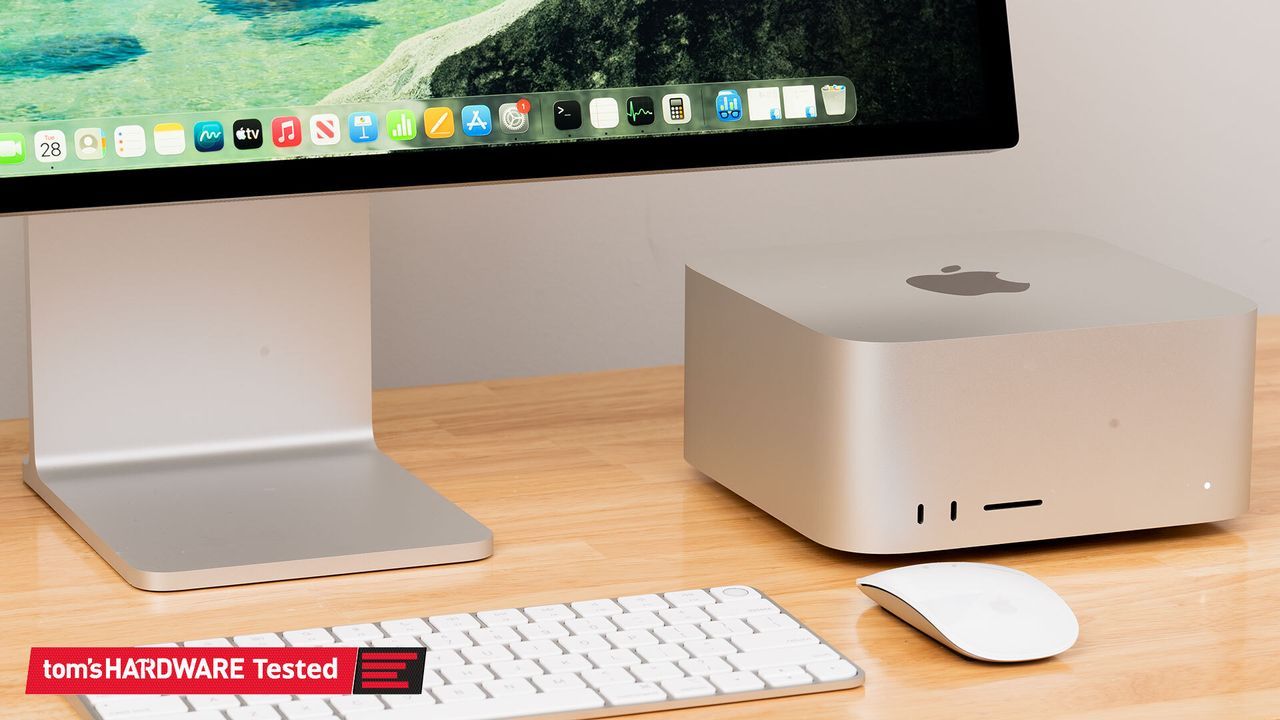
This architectural pursuit elevates Apple’s Mac Studio, specifically systems equipped with the M4 Max chip, as a compelling contender. Unlike its competitors, Apple Silicon offers a unified memory architecture that grants it a massive advantage in bandwidth. While Nvidia’s GB10 and AMD’s Ryzen AI Max+ 395 offer solid performance, the M4 Max system can deliver up to 546 GB/s of memory bandwidth—more than double the capabilities of its rivals. This massive bandwidth is critical for efficiently streaming the enormous weights required by demanding LLMs.
However, simply having higher bandwidth doesn’t guarantee a linear speed boost. When testing real-world LLM inference using various models, developers found that performance is highly dependent on the model architecture. While the M4 Max demonstrated impressive gains in throughput over both Nvidia and AMD systems, the actual percentage improvement varied greatly depending on the workload. For some models, like the dense Gemma 4 12B, the memory bandwidth advantage shone brightly, resulting in significant real-world increases.
In other demanding tasks, such as image generation using diffusion models, the competition remains tight. While Apple’s system showed potential, compatibility hurdles with specific data types meant that dedicated systems like Nvidia‘s DGX Spark often held an edge in smooth creative workflows at the time of testing.
Beyond raw LLM performance, Apple Silicon also delivers a masterclass in efficiency and design. The M4 Max boasts superior single-core and multi-threaded CPU performance compared to its competitors, demonstrating remarkable gains in
Buy on Amazon
Credit