Marvel Tōkon action crushes my fighting game skills
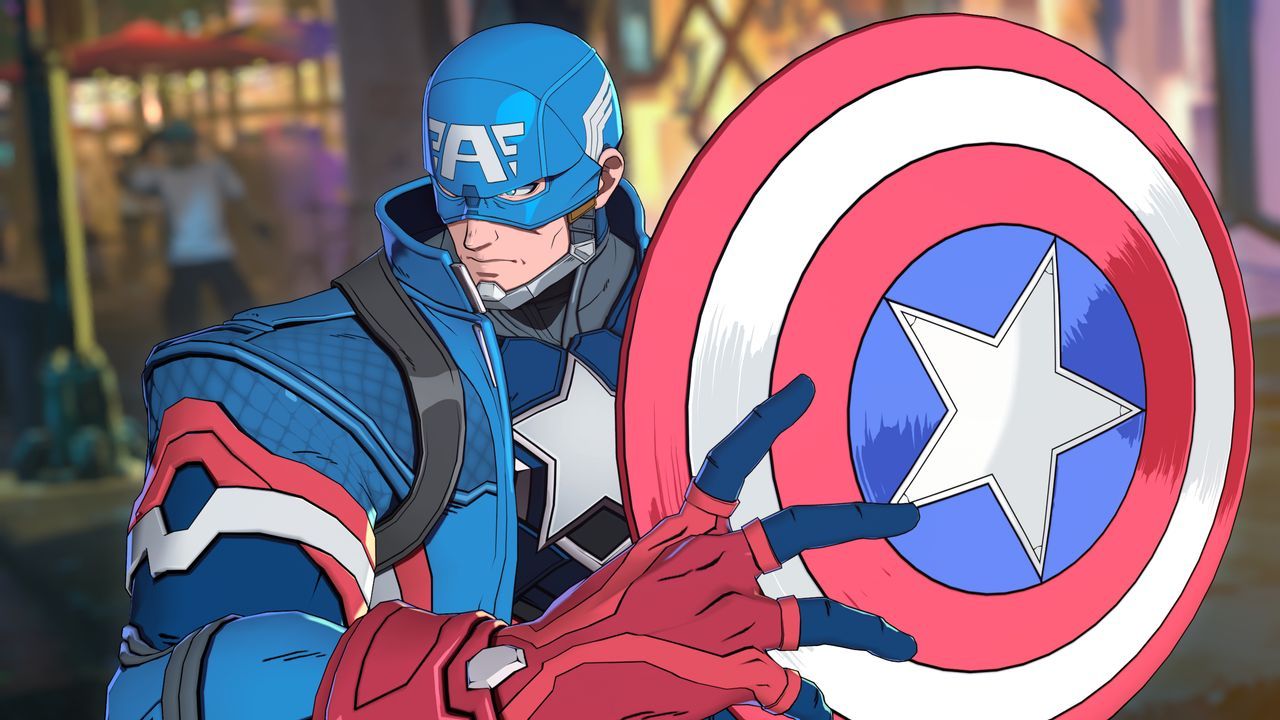
I used to think I was immune to fighting games. While I could manage a casual match of Mortal Kombat with friends, the moment you started facing someone who truly knew their stuff, my fingers would fumble over the controls. It wasn’t just about getting knocked out; it was about feeling helpless against complex, character-specific chains and inputs that felt more like an arcane secret code than actual skill.
That feeling of frustration disappeared when I discovered Marvel Tōkon: Fighting Souls. From the moment I saw the stunning graphic design, I knew I had to try it. But what really hooked me wasn’t just the cool art; it was the revolutionary approach to combat that made fighting games suddenly accessible—and genuinely fun.
The core innovation of Marvel Tōkon lies in its universal control system and automated combos. Unlike games where every character has entirely unique move chains, this game standardizes the fundamental attacks for all superheroes. Light, medium, and heavy attacks follow consistent sequences whether you are playing Captain America or Wolverine. This means that mastering the system is about understanding how to weave superpower abilities into a cohesive flow, rather than just memorizing fighter-specific secrets.
The control scheme is remarkably intuitive. Standard actions like light, medium, and heavy strikes, whether standing, crouching, or in the air, execute the same predictable maneuvers. The game effectively boils down complex combat into easily repeatable inputs. For instance, a basic combo chain—launching an aerial combo and knocking the opponent down—follows a standardized pattern that applies across the roster.
Teamwork is built directly into the mechanics. Essential actions are clearly mapped: the right bumper handles unique character attacks, while the right trigger manages skills. Grabbing opponents is handled by Triangle/Y and Circle/B, and team swapping is managed via the X/A button and left trigger. This standardized foundation allows players to focus their energy not on remembering endless move lists, but on strategic execution.
True mastery in Marvel Tōkon emerges when you start blending these universal inputs with your character’s specific powers. Captain America can utilize his shield for bouncing ranged attacks and quick passes, while Spider-Man gains unparalleled mobility through webbing. Wolverine might activate his Berserk state for massive damage boosts, and Green Goblin can glide and return swiftly.
The system doesn’t restrict creativity; it liberates it. Once you’ve mastered your primary hero, the game encourages seamless tag-team synergy. Your teammates automatically engage in follow-up attacks after certain combos are executed, allowing players to effortlessly rotate between heroes and execute complex attacks that utilize multiple powers simultaneously.
This approach strips away unnecessary complexity and delivers something far more engaging: stylish action. It provides a low barrier to entry for newcomers while rewarding seasoned players with deep strategic opportunities. Marvel Tōkon: Fighting Souls proves that the most exciting fighting games are those that prioritize intuitive control and creative team dynamics, proving that you don’t need to rewire your brain to master combat—you just need to master the flow.
Buy on Amazon
Credit