Maryland data centers get $110M community package for schools and water
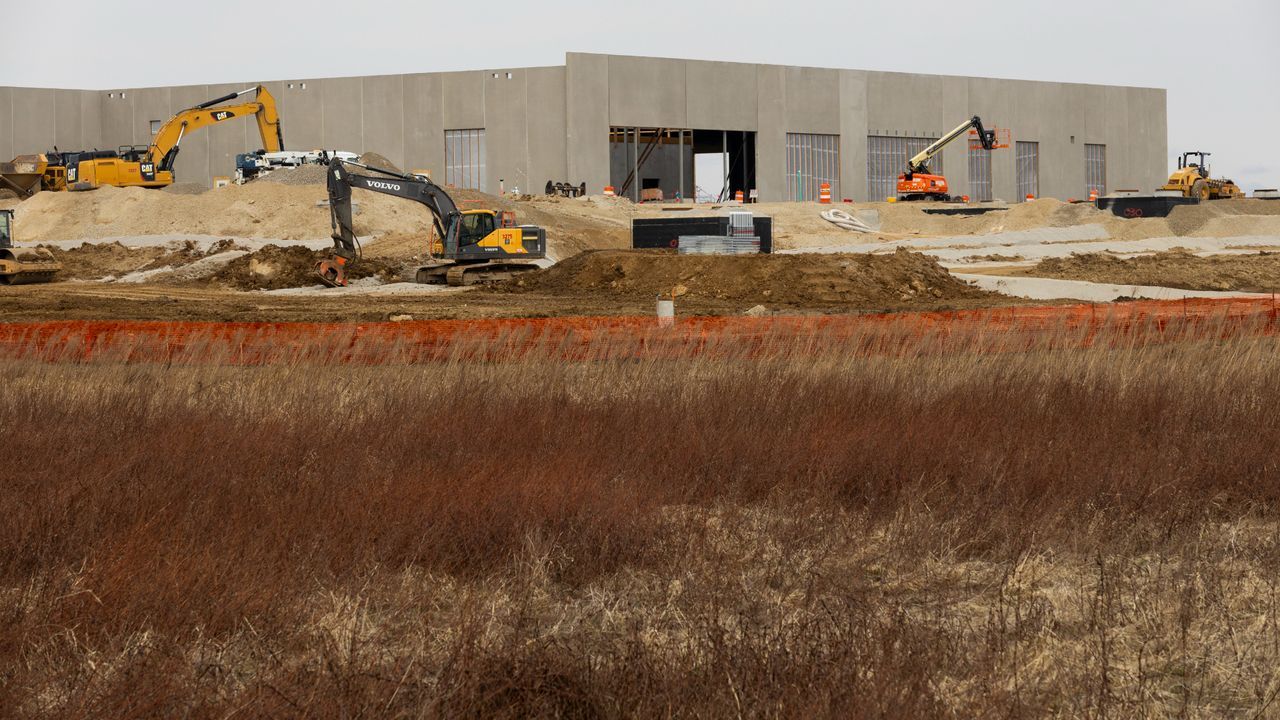
The race to build the next generation of AI infrastructure is heating up, and as massive tech giants like Amazon, Microsoft, and Oracle push for data center expansion, community pushback is growing louder. But instead of facing resistance, some developers are opting for a different strategy: sweetening the deal.
A new report suggests that developers are now offering communities tangible, large-scale benefits to gain the necessary approvals for erecting massive AI data centers. This move indicates a growing consensus among Big Tech and local governments to address community concerns head-on, rather than relying solely on rhetoric.
One compelling example comes from Frederick County, Maryland. The proposed development is not just about housing massive server farms; it’s about a $110 million investment designed to transform the local area. This package includes a $30 million elementary school, $40 million in recreational facilities, a $14.5 million workforce training center, and significant funding for agricultural preservation, alongside $10.5 million dedicated to environmental safeguards.
The proposal also tackles the environmental footprint directly. Developers have agreed to drastically reduce their impact, proposing a reduction in construction square footage by nearly 20% and a substantial 80% reduction in potable water usage. Furthermore, the plan includes up to $100 million allocated for a modern water reclamation system, addressing growing concerns about how these energy-intensive facilities impact local water supplies.
This approach reflects a shift in how AI builders are pursuing projects—moving from abstract promises to concrete, local investments. It suggests that achieving expansion requires factoring in the real-world costs and quality-of-life concerns of the host communities.
This strategy is not unique. Other major players are also demonstrating this willingness to partner with municipalities. For instance, reports indicate that Amazon and Aligned Data centers are among the potential tenants in this Maryland campus. Elsewhere, companies like AWS have opted out of seeking economic incentives, while others, such as Google and Amazon, have actively lobbied regulators to ensure infrastructure funding is handled locally, rather than burdening utility companies with the cost of expansion.
As the demand for AI chips and data center CPUs surges, the focus is increasingly shifting to ensuring that this technological boom benefits the places where it is built. By integrating infrastructure development and environmental solutions into their plans, Big Tech is attempting to navigate the complex landscape of public opinion and regulatory scrutiny.
Ultimately, this move signals a determined effort by the tech industry to align their massive infrastructure ambitions with the well-being of the communities they operate within. It’s a practical attempt to demonstrate that the future of AI infrastructure can coexist with robust community needs.
Credit