Mass Effect release under new EA owners? Analyst says I’ll believe it
The gaming world is currently reeling from a colossal financial shift: the eas-usd55-billion-acquisition-is-the-biggest-leveraged-buyout-in-private-equity-history in the history of private equity has finalized. Electronic Arts (EA) is no longer solely in the hands of its previous ownership, now operating under a consortium led by Saudi Arabia’s Public Investment Fund, alongside investment firms Silver Lake and Affinity Partners. This monumental transaction, which involved taking on $20 billion in debt, has instantly injected a dose of profound uncertainty into the company’s future, leaving employees and industry observers bracing for what comes next.
While the financial details are staggering, the real tension lies in the creative landscape. The fundamental question remains: will this massive debt restructure change how EA operates, or will it simply force the company to double down on existing successful formulas to ensure stability?
Industry analysts point to a clear focus for the new ownership, suggesting a pivot toward established interests. Emmanuel Rosier, director of market intelligence at Newzoo, who spent nine years as a senior manager at EA, suggests that the focus will undoubtedly remain on sports. This is driven by the immense importance of football and soccer within Saudi and Middle Eastern territories, which promises significant synergies for EA. Furthermore, the momentum behind esports is expected to intensify, capitalizing on the growing popularity of competitive gaming across various regions.
However, Rosier acknowledges that the true wildcard in the portfolio is the less obvious, second and third-tier intellectual properties. These are the dormant assets—the forgotten IPs like Ultima and Wing Commander—that have languished unused for years. The big question facing EA is whether these dormant properties will be sold off to external studios or if the new owners will simply hire new teams to leverage them, sparking a potential wave of revival.
This potential resurrection raises a humorous yet poignant point about the fate of legacy games. Rosier muses about the “monkey paw curling” element—the idea of reviving old IP—but notes the skepticism. He recalls past attempts to breathe new life into titles like Ultima, suggesting that genuine creative enthusiasm for these older properties is often missing. The risk is that the new financial priorities might supersede the desire to honor the creative history of the brand.
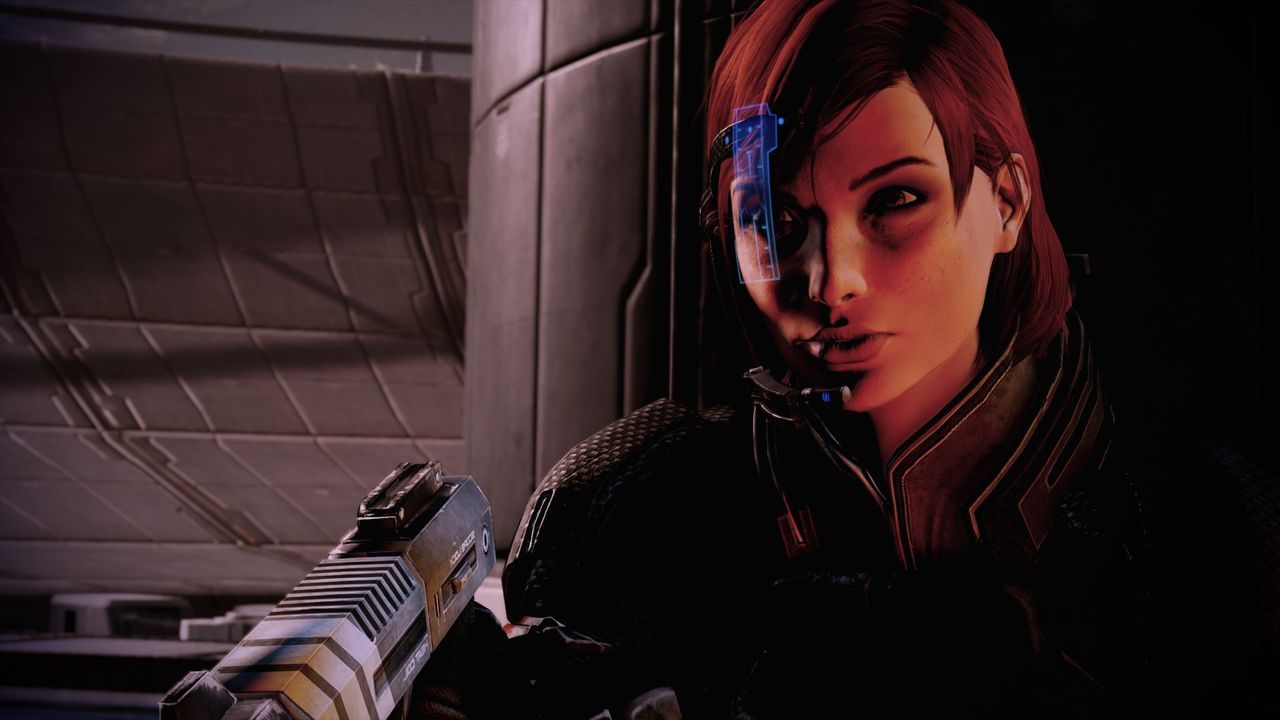
Perhaps the most emotionally charged aspect of the transition involves the established creative studios, such as those behind the BioWare properties. Titles like Mass Effect and Dragon Age have long provided EA with celebrated, if sometimes fluctuating, franchises. The future funding and development for these studios remains the single biggest question mark for many. It is a gamble whether the new ownership will prioritize the emotional legacy of these world-building giants or simply focus on the most financially sound decisions.
Ultimately, the trajectory of EA is now a fascinating balance between massive financial demands and the enduring, often sentimental, value of its creative heritage. The next chapter will reveal whether the new ownership prioritizes market synergy or the soulful resurrection of the gaming universe.
Buy on Amazon
Credit