Matt Damon refused money for an authentic Bourne action look
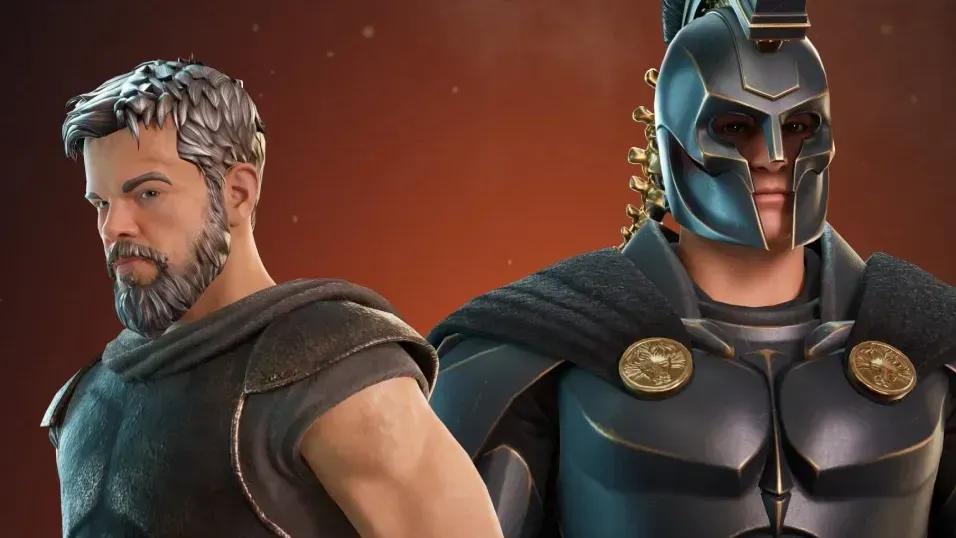
When a blockbuster hits the big screen, it sets the tone for the cultural conversation. But sometimes, the most surprising crossover happens in unexpected digital realms, and recently, that magic has manifested in the world of gaming.
Actor Matt Damon is currently making waves not just on the silver screen, but in the virtual arena of Fortnite, sporting a custom skin tied to Christopher Nolan’s epic adaptation of The Odyssey. This appearance has sparked curiosity about whether Damon has ventured into the world of video games before, leading fans to ponder where this trend is headed.
Damon’s foray into gaming history isn’t new, though it remains largely behind-the-scenes. Long ago, when he was asked to lend his likeness to a console game based on the Bourne film series, Damon politely declined an offer that would have placed him squarely in the action genre. Instead, he pushed for a more cerebral experience.
“I lobbied hard to not make a first-person shooter game but to make it more like Myst,” Damon recalled in a 2008 interview. He sought to create an interesting puzzle-adventure focused on memory and problem-solving, rather than violent action. Unfortunately, the developers proceeded with the project without his involvement.
“They offered me a bunch of money,” he shared later, laughing about the experience, “but it was like, a little more thought had to go into it. I wanted something like Myst.”
This early rejection highlights an interesting disconnect between traditional Hollywood action games and Damon’s interest in narrative puzzles. While he expressed general curiosity about the medium later on, he noted that no one had ever approached him to do voice acting or motion capture for a game.
Damon reflected on the evolving entertainment landscape during a 2016 interview, pondering the future of storytelling as graphics and virtual reality advanced. He wondered what would happen to movies if gaming became a new medium for narrative. “If gaming is the way to do that,” he mused, “I’m all for looking into it, but nobody has asked me as of yet.”
Today, the conversation among industry executives and investors has shifted dramatically. The focus is no longer solely on classic auteur storytelling or Hollywood competition. Instead, excitement is centered on emergent storytelling, user-generated content, artificial intelligence, and the concept of the metaverse.
Multiplayer survival and comedy co-op games are booming, while story-focused RPGs like Baldur’s Gate 3 emerge as major hits. This pivot reflects a change in what captivates modern audiences—a shift from singular cinematic narratives to interactive, shared experiences.
Damon’s own journey into gaming, from rejecting an action game to now appearing as a skin in Fortnite, perfectly encapsulates this industry transformation: moving from a prestige console adventure to a piece of digital fashion promoting a massive pop culture event. It shows how the boundaries between cinematic legacy and interactive play are rapidly blurring.
Buy on Amazon
Credit