Memory crisis shatters PC sales growth in Q2 2026
The global PC market is undergoing a dramatic shift, moving from a period of explosive growth into a phase defined by supply bottlenecks and evolving consumer priorities. What started as an unstoppable trend has hit a wall, forcing manufacturers and shoppers alike to rethink how we build, buy, and operate our personal computers.
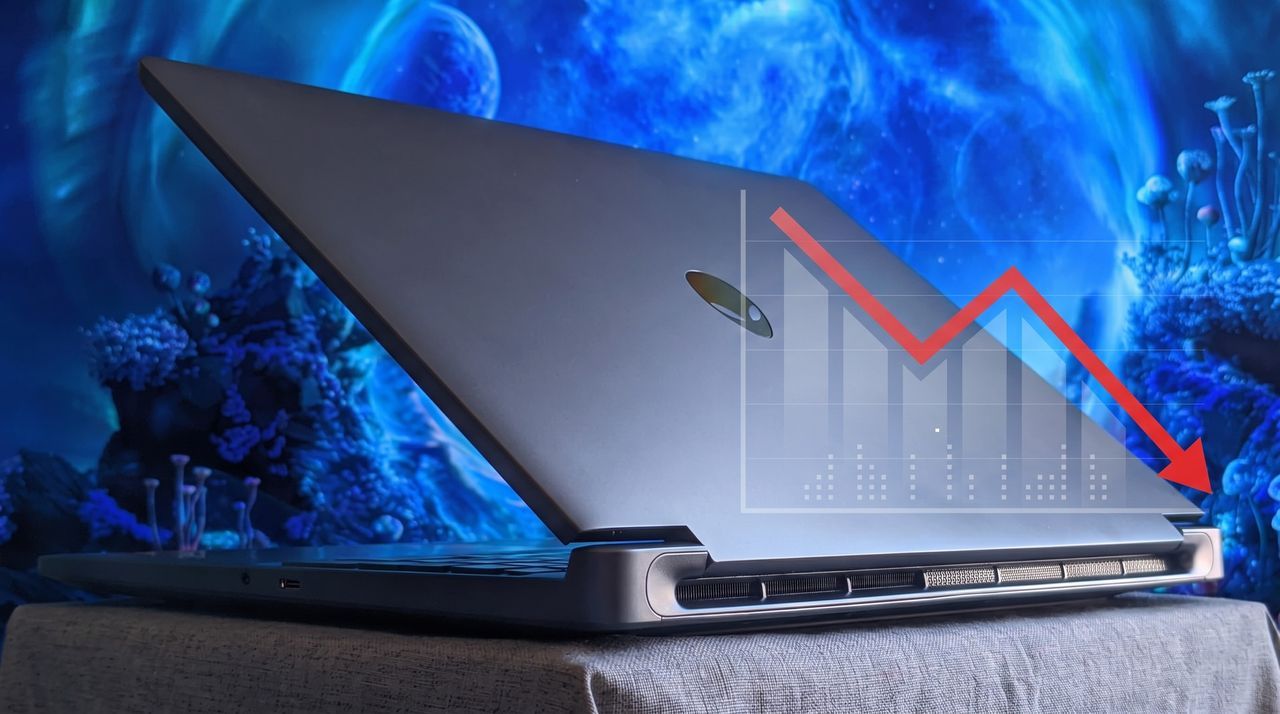
Recent data confirms the pinch is real. Global PC shipments took a dip of 4% year-over-year in Q2 2026, landing at roughly 65 million units. This decline signals the end of a sustained growth run that had been rolling since Q1 2025.
The primary culprit behind this market slowdown isn’t reduced consumer desire; it’s the relentless pressure from soaring component costs. The sudden, massive demand for DRAM and NAND memory—driven largely by the global build-out of AI data centers—has created a supply crunch that has rippled through the entire industry.
Faced with crippling input costs, PC makers have been caught in a difficult balancing act: either absorb staggering component prices or pass them onto consumers. Most have opted for the latter, meaning the reality for buyers is increasingly expensive hardware.
This dynamic created a clear hierarchy among manufacturers. While some giants struggled to maintain momentum, others found pockets of resilience. For instance, while major brands like Lenovo, Dell, and HP saw shipment declines of up to 9%, ASUS managed to post a positive performance, increasing global shipments by 4% year-over-year in Q2 2026.
Meanwhile, Apple continued its impressive trajectory, with MacBook shipments climbing by an outstanding 13%. This success is tied to strategic product integration, notably the popularity of the budget MacBook Neo, which leverages Windows 11 and Microsoft’s surface strategy.
The outlook for components remains challenging. Experts anticipate that memory prices will stay elevated through the second half of 2026, creating ongoing margin pressure for Original Equipment Manufacturers (OEMs) struggling to balance component costs with retail pricing.
This crunch is reshaping the future of computing. The memory shortage is no longer just a temporary supply issue; it has become a defining factor pushing the industry toward premium AI PCs. Devices offering superior performance and on-device artificial intelligence features are becoming more palatable, as users are willing to accept higher prices for enhanced capabilities.
For consumers looking to upgrade, patience might be a virtue. Experts suggest that relief in pricing is not expected until at least the end of 2027. If you are waiting for the perfect moment to buy, the advice is simple: don’t wait. As component costs continue to climb, upgrading your current system sooner rather than later may be the smartest move.
Credit