Memory prices more than double supplier predictions
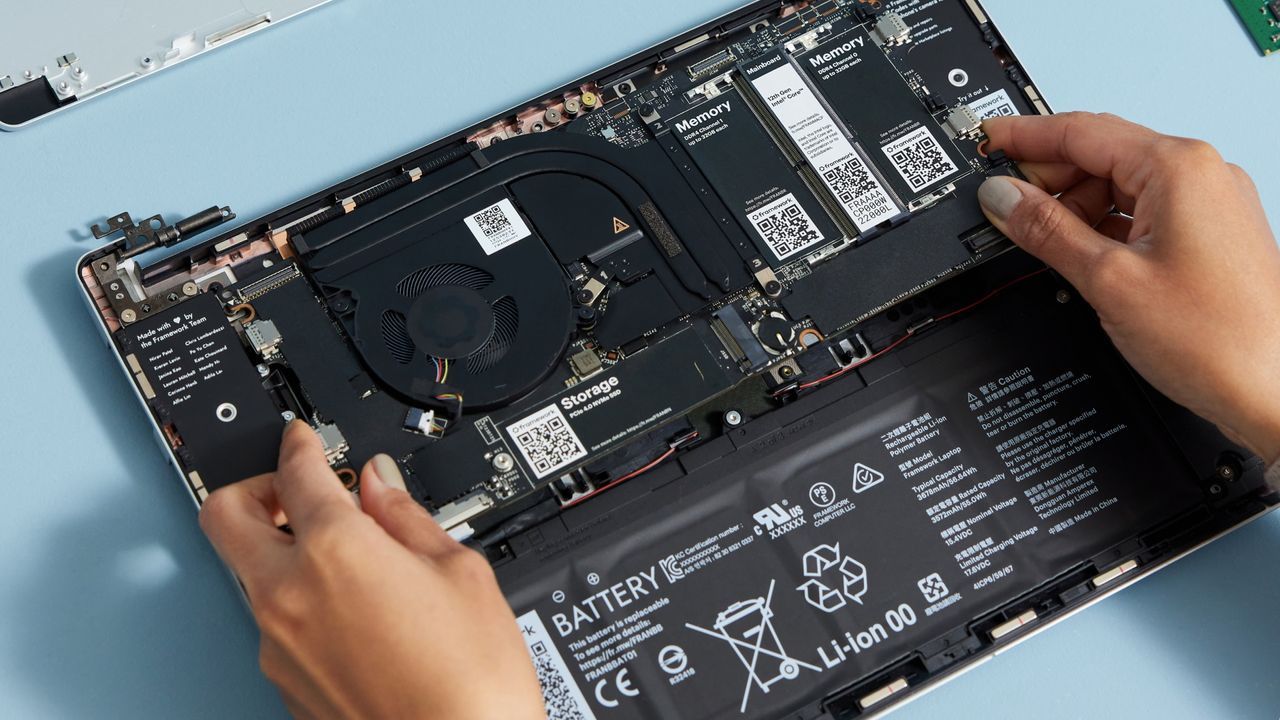
The quest for affordable computing components has become a high-stakes game of supply chain volatility, especially when it comes to memory and storage. While some companies manage to keep prices stable, others find themselves navigating a choppy financial sea. This tension is perfectly illustrated by Framework, a builder known for crafting modular systems, whose recent pricing updates reveal the true, often painful, reality of the global component shortage.
For months, Framework has worked diligently to shield its customers from skyrocketing hardware costs—a commendable effort against the backdrop of a general market frenzy. However, the story of memory is far more complicated than a simple cost-control exercise. The company’s latest update exposes how much the upstream supply chain volatility has finally impacted even the most agile manufacturers.
The core issue lies with their memory module suppliers, who recently implemented substantial price increases. Framework found itself in an impossible position: they were unable to absorb these massive cost hikes without placing their operational stability at risk.
“We received a cost update from our primary supplier that went far beyond anything we had predicted,” the company noted. “The increase significantly outpaced our forecasts, meaning that passing those costs along became an unavoidable reality.”
This forced Framework to make difficult decisions regarding existing pre-orders. Rather than simply absorbing the extra expense, they adjusted configurations based on module availability. For instance, modules that were previously offered at 64 GB capacity were adjusted to use 32 GB modules at the original pricing, and similarly, orders configured for 32 GB were often reconfigured to use a 16 GB module while honoring the initial price point.
The dynamic was equally intense in the storage sector. While some modules saw price reductions, others faced increases. Specific drives like the SN850X and SN7100 exhibited this split: pricing was reduced for certain capacities, but increased for others. This delicate balancing act meant that even pre-order prices, though honored where possible, were subject to these shifting market realities.
While Framework managed to navigate these complex changes, the situation underscores a larger vulnerability for smaller device manufacturers in this volatile environment. Unlike industry giants such as Dell or Lenovo, which possess immense buying power, companies like Framework have less leverage to absorb sustained cost pressures.
Despite the sobering financial details, the update offers an invaluable perspective from an industry-watching standpoint. It serves as a powerful barometer, showing exactly how global shortages are filtering down and affecting the end consumer in consumer devices. It is a depressing look at supply chain woes, but it is also a vital piece of data for understanding the future landscape of component pricing.
Ultimately, the situation highlights a persistent challenge: while optimism about the eventual flow of components may exist, watching how major shifts—such as the growing use of alternative manufacturing sources—will impact consumer prices remains the most fascinating aspect of this ongoing hardware saga.
Credit