Memory supply predicted to plummet by 70%
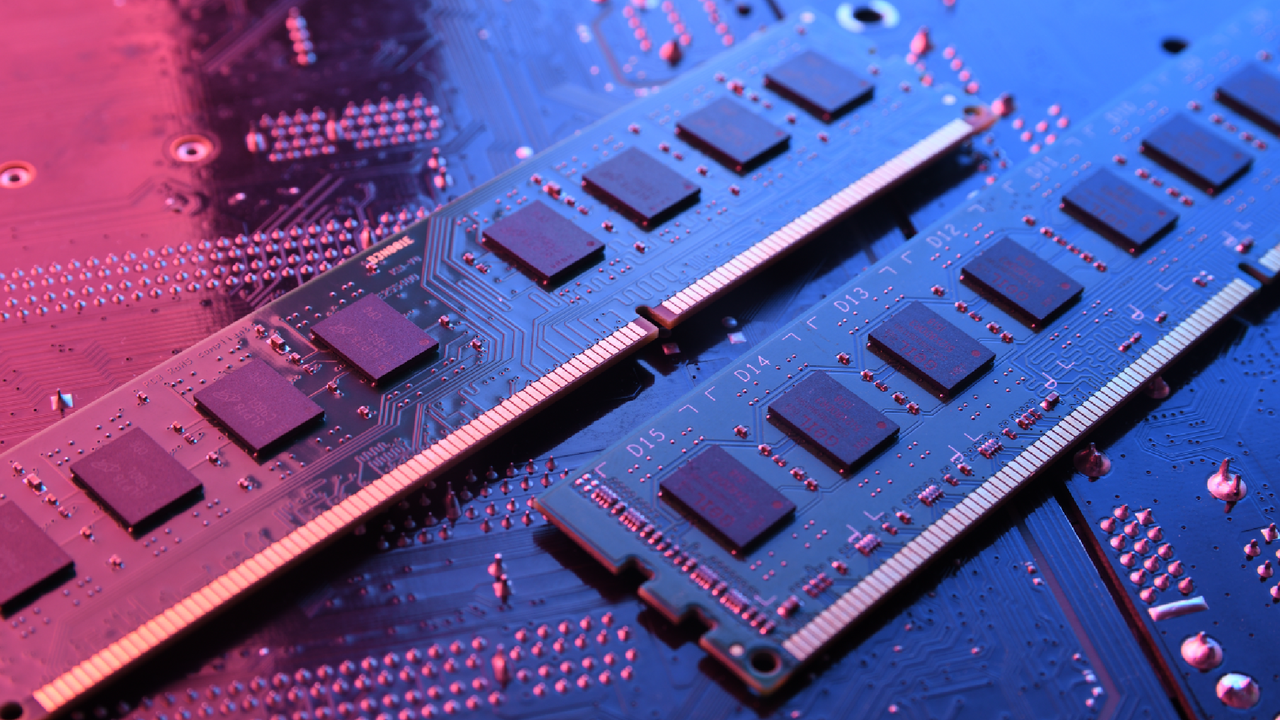
The pursuit of artificial intelligence has created a silicon frenzy, driving an insatiable appetite for both system storage and RAM. This massive demand has not just inflated prices; it has transformed the supply chain into a high-stakes game of operational risk for manufacturers.
Industry leaders are now grappling with how to secure necessary components amidst these runaway costs. Apacer CEO C.K. Chang recently made it clear that memory shortages are expected to persist throughout 2026, signaling that securing supply is becoming a far greater concern than simply managing high costs.
Chang projects that memory makers will only release about thirty percent of their 2026 supply volume in 2027. To guard against this looming shortfall, companies are scrambling to stockpile inventory. As of the first half of 2026, Apacer had already held approximately $383 million worth of inventory, demonstrating the urgent need for strategic hoarding.
The pressure is felt across the entire ecosystem. Other consumer electronics companies are adopting similar strategies, locking in multi-year supply contracts to try and ease the immediate strain on the market. This dynamic is creating palpable anxiety, particularly among those at the front of the supply chain.
Predictions regarding the future remain stark. One voice suggests that the current AI memory crisis could force many consumer electronics manufacturers to either go bankrupt or exit entire product lines by the end of 2026.
The deepest impact is seen in specialized components, particularly DRAM. It is estimated that sixty percent of all DRAM capacity is currently allocated to server-related and enterprise data centers. The most significant price spikes are concentrated in DDR5 RDIMM server modules, which are essential for high-performance computing infrastructure.
While the immediate outlook remains challenging, there is a slight potential reprieve: as actual supply dwindles, the rate of price increases from memory suppliers may begin to slow down. However, this optimism doesn’t extend to the consumer market.
For PC gamers and general consumers, the news is less comforting. While some might be willing to pay a premium for consumer memory, overall demand remains weak. The immense appetite of the AI industry and enterprise customers continues to absorb much of the available supply, leaving the end-user market navigating a landscape where components are both scarcer and more expensive.
Buy on Amazon
Credit
