Miami Beach votes for GTA 6 despite drug concerns
When a global gaming phenomenon intersects with a sun-drenched resort city, the resulting negotiations often strike a nerve. In Miami Beach, a surprisingly contentious vote recently saw the city decide to embrace a promotional campaign for Grand Theft Auto 6, striking a deal with Rockstar Games that involved a reported $3 million drop in exchange for what promises to be surprisingly subtle advertising.
The decision, which was streamed live, was not without friction. Vocal opposition arose immediately, rooted in long-standing concerns about the nature of the GTA franchise itself—a world defined by violence, criminal activity, and disorder. For many, the idea of associating Miami Beach, a place built on leisure and beauty, with the chaotic world of Grand Theft Auto felt deeply inappropriate.
Commissioner David Suarez, one of the dissenting voices, kicked off the debate by emphasizing the context. He pointed out that the games involve stealing cars, committing robberies, murder, and assassinations, questions that raised serious concerns about the image Miami Beach wished to project.
The opposition hinged on public safety and reputation. As Suarez argued, the city dedicates enormous resources to fighting violent crime and disorder. The question was: what message would Miami Beach send to the world by transforming its most recognizable symbols into a backdrop for criminal mayhem?
Countering these concerns, other commissioners focused on the potential opportunity. Commissioner Monica Matteo-Salinas suggested that the campaign would not involve live-action crime in the city, but rather target the demographic of gamers and tourists who might spend money on Miami Beach. The focus, she argued, should be on leveraging the attention rather than glorifying the crime.
Commissioner Joseph Magazine put the focus squarely on municipal control. He insisted that while the spotlight of GTA 6 was inevitable, the city should not simply stand on the sidelines. He stressed that protecting the community involves engaging and taking control, rather than hiding or shooing away inevitable trends.
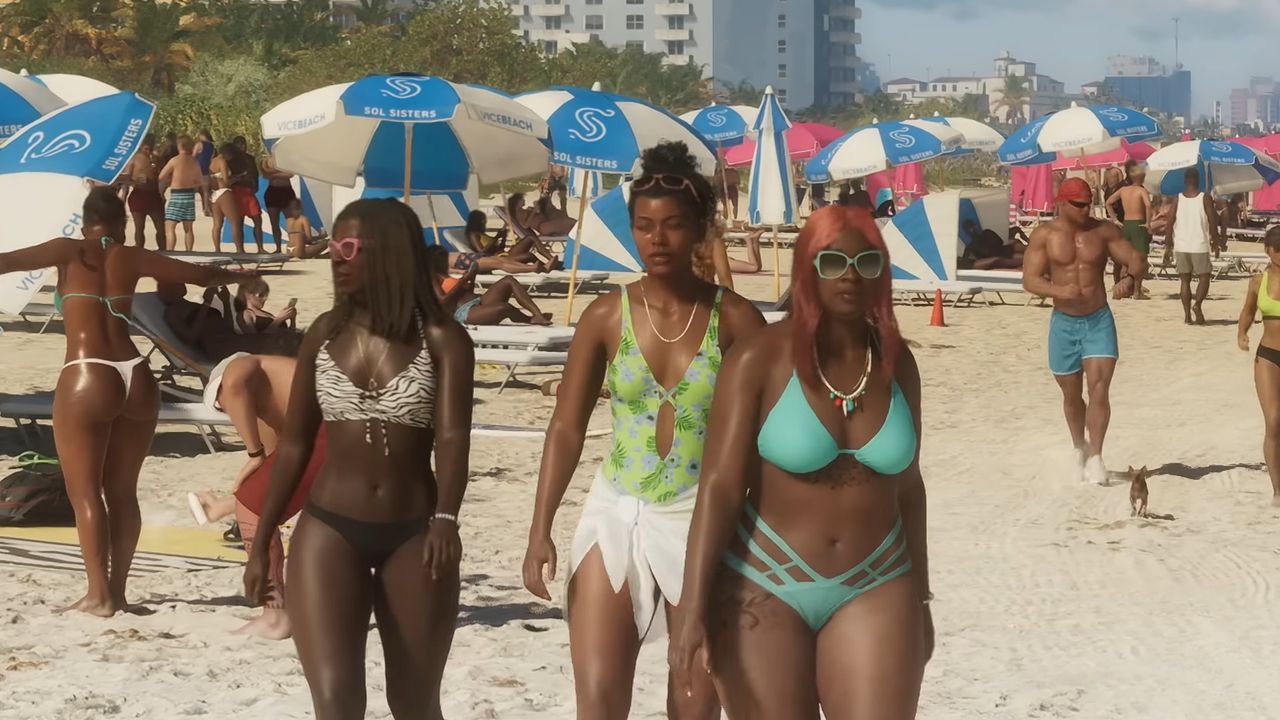
Interestingly, the resulting campaign was designed to be more discreet than the excesses of the game itself. The plan involves subtle advertising rather than overt landmarks. For example, logos will not appear on iconic public property like lifeguard chairs, but will instead be integrated through partnerships. The campaign will feature items from the local Florida-based hospitality company, Boucher Brothers, whose umbrellas are parodied as the Sol Sisters in the game.
This subtle approach suggests a fine line has been walked: allowing a global entertainment giant to engage with a local city while attempting to maintain civic pride and public order. Ultimately, the vote passed 4-3, authorizing the city manager to negotiate the terms, demonstrating a willingness to engage with the massive cultural force of gaming, even when facing strong reservations.
Buy on Amazon
Credit
