Michigan residents sue AI data center over 24/7 noise
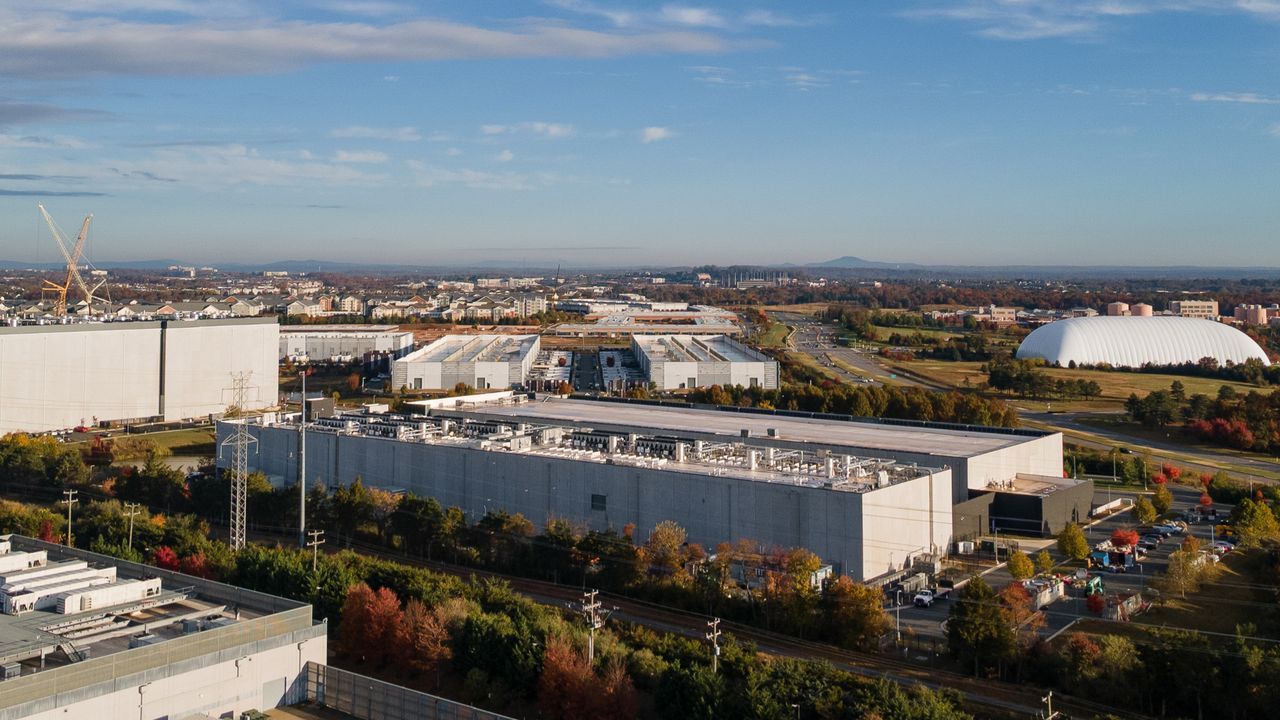
In a dispute that pits high-tech expansion against neighborhood peace, residents of Dowagiac, Michigan, are taking legal action against a data center for what they describe as an incessant, high-pitched whine. For two years running, this persistent sound has added a layer of stress to the lives of those living near the facility.
The source of the irritation is Alliance Cloud Services LLC, a subsidiary of Hyperscale Data. What began as a standard industrial building set back behind a line of pine trees quickly transformed into a hub for cryptocurrency mining operations. This shift accelerated in 2021 when the site was converted into a sophisticated mining center, and it was in 2024 that the noise pollution reached a crescendo, becoming a constant, disruptive presence around the clock.
For neighbors living across the street, the sound is far from subtle. One resident described the noise with startling clarity: “It sounds like someone set up a vacuum, like in your living room. And the vacuum is just… that thing needs to be cleaned. The filter is clogged up, so it’s a high-pitch whining. And they just left it on and walked out.”
The residents expressed frustration that this perpetual sound—which some likened to sound torture—was ignored by the operators. They questioned why the company did not address their concerns immediately, especially given their long-standing ties to the community.
In response to these persistent complaints, Dowagiac implemented a local industrial noise ordinance, setting strict limits: a daytime limit of 65 decibels and a nighttime limit of 55 decibels. Despite these regulations, the data center faced fines for violations. However, Hyperscale Data is currently challenging the city’s measurements and methods.
The company has responded by pivoting its focus, announcing plans to shift operations from cryptocurrency mining toward advanced AI computing and robotics. This transformation is projected to cost the company $100 million, and they intend to expand their footprint in the area. To mitigate future noise concerns, Hyperscale Data is also acquiring adjacent properties to serve as a natural buffer against sound.
CEO William Horne addressed the community directly, offering an unusual proposition: if residents remain unhappy with their living situation, the company would buy their properties. This offer, however, met with resistance from affected families who emphasized the difficulty of relocating. For some, this community is home; for others, the thought of uprooting long-established families—some with elderly residents and young children—is simply unthinkable.
This local standoff highlights a larger tension unfolding across the tech industry. This issue is not unique to Dowagiac; other data centers are facing similar disputes over noise and vibration pollution. For instance, a Microsoft data center in Wisconsin is currently grappling with a class-action lawsuit from residents living nearby regarding noise and light pollution. Furthermore, non-profit organizations are raising alarms about the presence of infrasound—inaudible vibrations that can be felt for hundreds of feet—that industrial sites emit, prompting calls for research into the potential health effects these sounds may have on surrounding communities.
Buy on Amazon
Credit