Michigan stops nuclear data center build
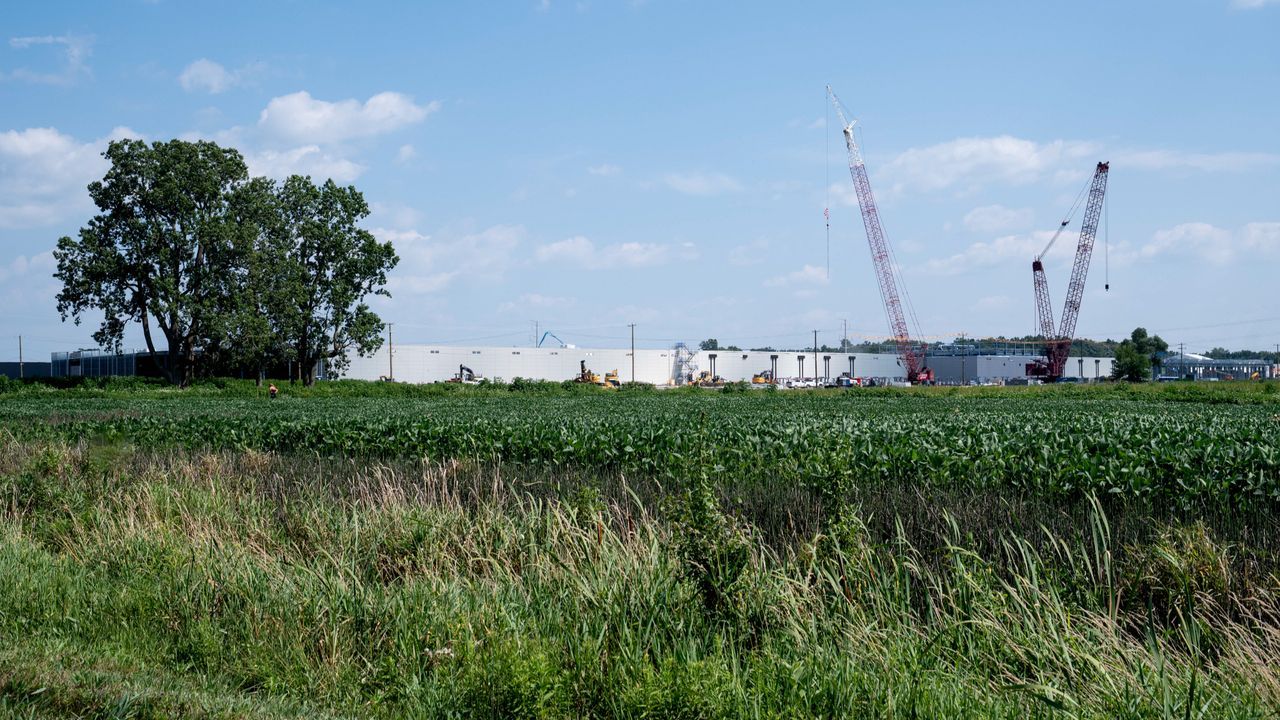
The race for data center expansion—fueled by the insatiable hunger of artificial intelligence—is heating up, forcing towns and counties across the nation to draw a hard line. As massive tech giants plan to build the next generation of digital infrastructure, local residents are increasingly stepping in, demanding a pause to study the real-world consequences before construction even begins.
Across the country, data center moratoriums are becoming a common strategy. These temporary bans allow communities to analyze the potential impact of these sprawling facilities, seeking to develop effective mitigation strategies before infrastructure is even laid.
Yet, while many communities are adopting a simple delay tactic, Ypsilanti, Michigan, is tackling the issue with a distinct, proactive approach. Instead of just halting construction, the township opted for a focused intervention targeting the very foundations of the proposed projects.
The city implemented a temporary ban on the delivery of the underlying electrical infrastructure required to power these future data centers. This move is not about stopping the progress, but about ensuring the process is sound. The six-month delay is dedicated to thoroughly studying the potential effects that the proposed electrical substation—necessary for the massive energy demands—will have on noise pollution and existing customers.
Ypsilanti Township Supervisor Brenda Stumbo framed the decision clearly: they needed to ensure the location was right and that proper procedures were in place. The township determined that over the six months, they would assess the necessary scale of electrical infrastructure required for new high-energy-demand land uses, including hyper-scale data centers, artificial intelligence computing facilities, and other intensive electrical users.
This infrastructure-focused delay is tied to a major development: the proposed location for a $1.25 billion hyperscale data center, planned for 144 acres near the University of Michigan. This facility is a collaborative effort involving the University of Michigan and Los Alamos National Laboratories (LANL), focusing on landmark research computing.
The University of Michigan asserts that the project is purely academic, aiming to provide the computing power needed to solve the world’s most complex challenges. They emphasized that the site will not involve the storage or use of hazardous nuclear materials, nor will it conduct real-time defense operations, aiming to dispel concerns about the nature of the facility.
Despite the academic assurances, the primary friction point remains community concern. While some focus on the science, many residents are deeply unsettled by the cumulative effect of large-scale data center developments on their immediate environment.
This approach by Ypsilanti is part of a larger pattern of local resistance. Earlier this year, the township also voted to implement a one-year temporary ban on the delivery of water to these proposed hyperscale data centers, aiming to evaluate the massive water demands—estimated at 500,000 gallons per day.
The pushback continues. The University of Michigan threatened legal action against the township, calling the action to delay the project “discriminatory.” Furthermore, the broader landscape is complex, with the federal government historically supporting data center projects deemed crucial for national interests, as seen in decisions regarding facilities like the Colossus data centers.
Buy on Amazon
Credit