Micron memory modules cut energy use by 60%
The Memory Revolution: How Micron is Fueling the AI Data Center Dream
The relentless appetite of modern computing—especially in the realm of artificial intelligence and massive data analytics—demands a revolution in how we handle memory. Enter Micron, which is pushing the boundaries of data storage and speed with the introduction of its newest generation of server memory modules designed to handle unprecedented demands.
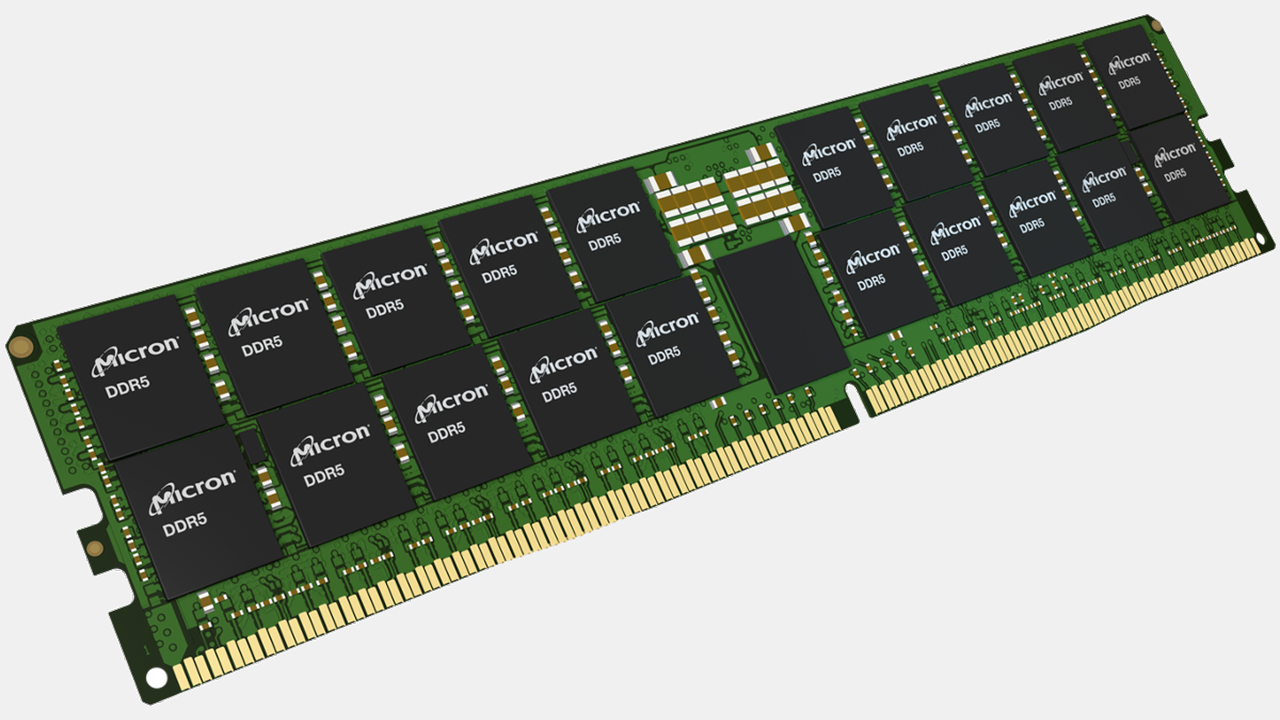
Micron recently unveiled its first 512GB DDR5-9200 memory module, marking a significant step toward equipping the next generation of servers with staggering amounts of fast memory. These modules are not just bigger; they are built smarter, utilizing advanced vertical stacking and through-silicon vias (TSVs) to maximize density and efficiency.
This breakthrough allows server makers to envision systems capable of holding up to 12TB of high-speed memory. This capacity is crucial for complex workloads, from large-scale simulations and in-memory databases to the intensive calculations required by agentic AI systems.
But the innovation extends beyond mere capacity. Micron‘s new modules are engineered for efficiency. By employing advanced packaging techniques, the single 512GB module consumes significantly less power than traditional configurations. For instance, a single 512GB module uses only 16.0W, which is substantially less energy-intensive than four separate 128GB modules, which require 44.2W in total.
This efficiency gain is critical for data center operations, translating directly into lower operational costs and greater sustainability. Furthermore, the memory technology itself is cutting-edge, utilizing 16Gb DDR5-9200 devices fabricated using the advanced 1γ (1-gamma) process that leverages EUV lithography.
The real impact of this density and speed is evident when these modules are applied to demanding analytics. Micron claims that systems utilizing 512GB memory can deliver up to 1.4 times the performance in memory-constrained Spark Support Vector Machine (SVM) analytics workloads compared to systems using smaller 256GB modules. This translates directly into faster processing for critical data analysis.
As the computing landscape evolves, the focus is shifting toward leveraging memory to unlock greater computational power. While the path ahead involves figuring out the optimal pricing for these high-capacity modules, the momentum is clear. AMD and Intel are actively collaborating with Micron to qualify these new modules for their next-generation server platforms.
Micron plans to move these high-capacity modules into volume production in the second half of 2027, aligning the schedule with customer needs. The next frontier is balancing this technological leap with economic viability, ensuring that the future of ultra-fast, massive memory is accessible to everyone.
Buy on Amazon
Credit