Micron waits for Reddit to get mad before replacing a crucial drive
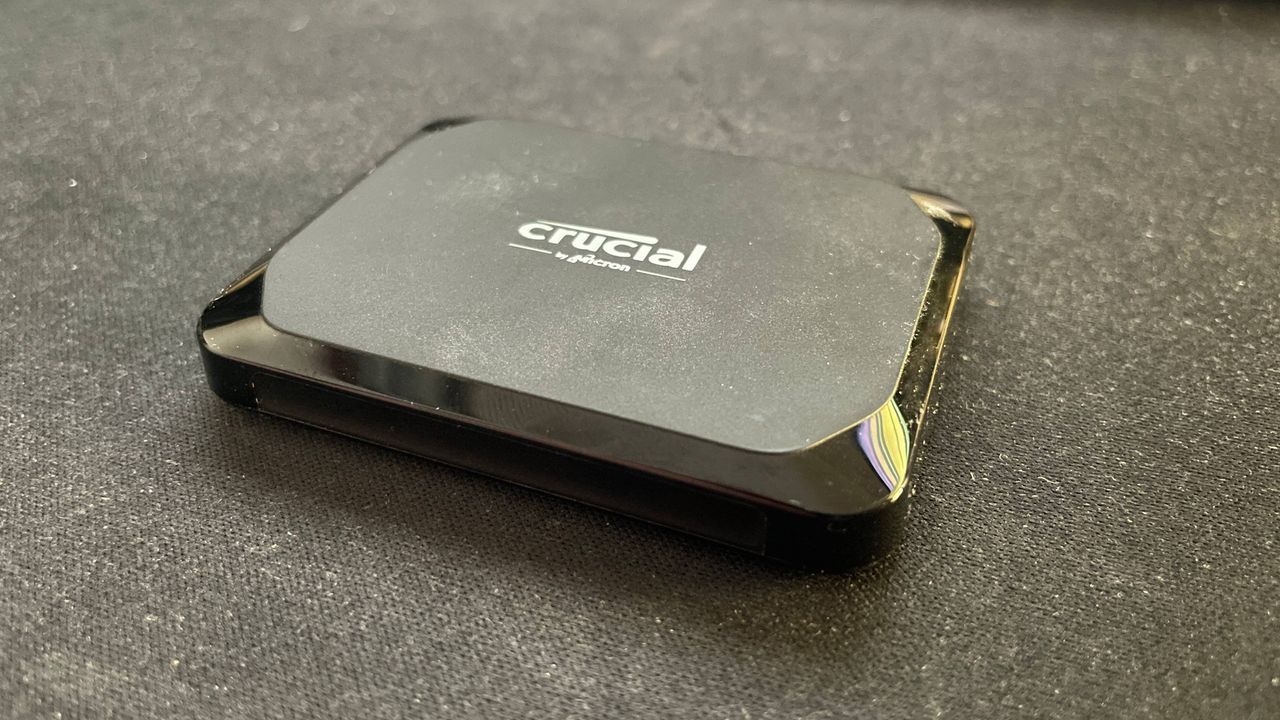
In the relentless pursuit of high-performance computing, PC gamers are currently wading through a sea of anxiety, not just about new hardware, but about the longevity of the components they already own. The memory crisis has morphed into a frustrating reality where components like memory, storage, and GPUs are priced to astronomical levels, making the fear of hardware failure—and the inflated cost of replacement—a very real concern.
This pressure boiled over when a user shared an experience with a faulty external drive. A gamer had purchased a 4TB Crucial drive a year prior for $200. When the drive finally succumbed to failure, the response from the manufacturer was predictably frustrating: a refund of the original purchase price only. This felt like an admission that the consumer should simply absorb the cost of inevitable hardware wear and tear.
The situation quickly escalated when the market reality slammed into the dispute. While the original purchase was $200, similar drives were now fetching prices approaching $800, driven by massive demand fueled by the ongoing AI boom. It became clear that the price of replacement had far outstripped the cost of the initial purchase, turning a simple warranty claim into a financial headache.
Adding a layer of complexity to the dispute was the wider industry shift. Micron, one of the major players in memory manufacturing, recently announced a strategic decision to focus entirely on supplying AI data centers, effectively stepping away from the consumer memory business. This move immediately complicated Crucial’s ability to source and replace consumer-grade components.
When the user pressed the issue, they rightly cited the principle that a faulty product should warrant a functional replacement. They sought more than just a refund; they demanded a 4TB equivalent replacement, pointing to consumer rights laws, including the Magnuson-Moss Warranty Act, as justification for their request.
Facing the public scrutiny of the online community, the user pushed back, emphasizing that the lack of replacement options was unacceptable. The pressure exerted on the company, amplified by the visibility on forums like Reddit, proved to be the catalyst for change.
Within hours of the initial complaint, the situation shifted. Crucial eventually approved a 1-to-1 replacement, acknowledging the inventory limitations they faced. The experience serves as a sharp reminder that even in a market defined by supply constraints and high prices, the balance between corporate policy and consumer expectation can often be tipped by collective advocacy.
Buy on Amazon
Credit