Micron workers strike over bonus pay and demand profit sharing
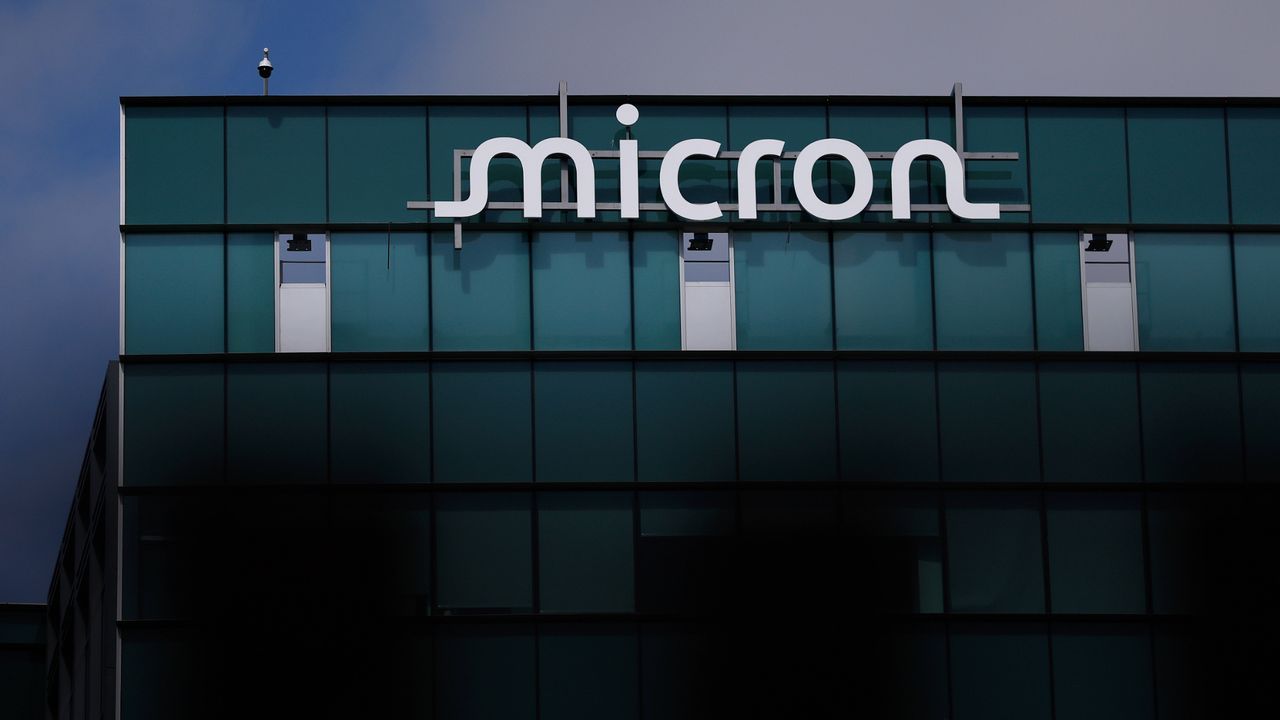
The high-speed race for memory chips, fueled by the global demand for artificial intelligence, has brought massive profits to the semiconductor giants. Yet, in the heart of this lucrative industry, tensions are rising between the workers and the management at Micron in Taiwan over how those profits are distributed.
Facing potential disruption, Micron’s labor union is pushing for a significant change to the existing compensation structure. The demand is clear: replacing the current bonus system with a profit-sharing scheme, mirroring the successful models adopted by industry peers.
This push is gaining significant traction. Preliminary surveys indicate that a striking 80% of the workers involved in the dispute support this move, signaling a collective desire for a more equitable stake in the company’s success.
The context for this demand is rooted in the recent boom in the memory market. Companies like Micron, Samsung, and SK Hynix have reaped substantial rewards from the AI-driven memory chip shortage. Micron, for example, reported impressive financials, including a revenue of $41.46 billion and a net income of $28.24 billion.
A major driver of this profitability is the Cloud Memory Business Unit, which supplies high-bandwidth memory (HBM) to data center customers, accounting for over 33% of Micron’s total revenue. As the foundation for the world’s AI infrastructure, the memory industry’s rapid expansion has created massive wealth, making the workers’ desire for a share of this success increasingly compelling.
The memory chip landscape has set a precedent for how industry leaders handle worker compensation. This is evident in the actions of competitors. For instance, Samsung narrowly avoided a major strike by agreeing to a deal that allowed its foundry workers to potentially receive payouts averaging up to $400,000 per employee, and SK Hynix has similarly opted for profit-based bonuses.
Given that Micron’s global production capacity is heavily concentrated in Taiwan—with most of its critical HBM output flowing from local facilities—the internal dispute holds significant geopolitical and economic weight. This concentration makes the situation even more critical for both the company and its global workforce.
As formal mediation talks are anticipated to begin by mid-September, the focus shifts from protest to negotiation. While management will naturally weigh the risk of production disruption against the desire for a fair deal, the precedent set by the memory industry suggests that a compromise is likely. The ultimate outcome will not only determine the fate of the Micron workers but also set a new benchmark for compensation in the high-tech manufacturing sector.
Buy on Amazon
Credit