
Microsoft fixed error causing OneDrive Photos app to millions of PCs
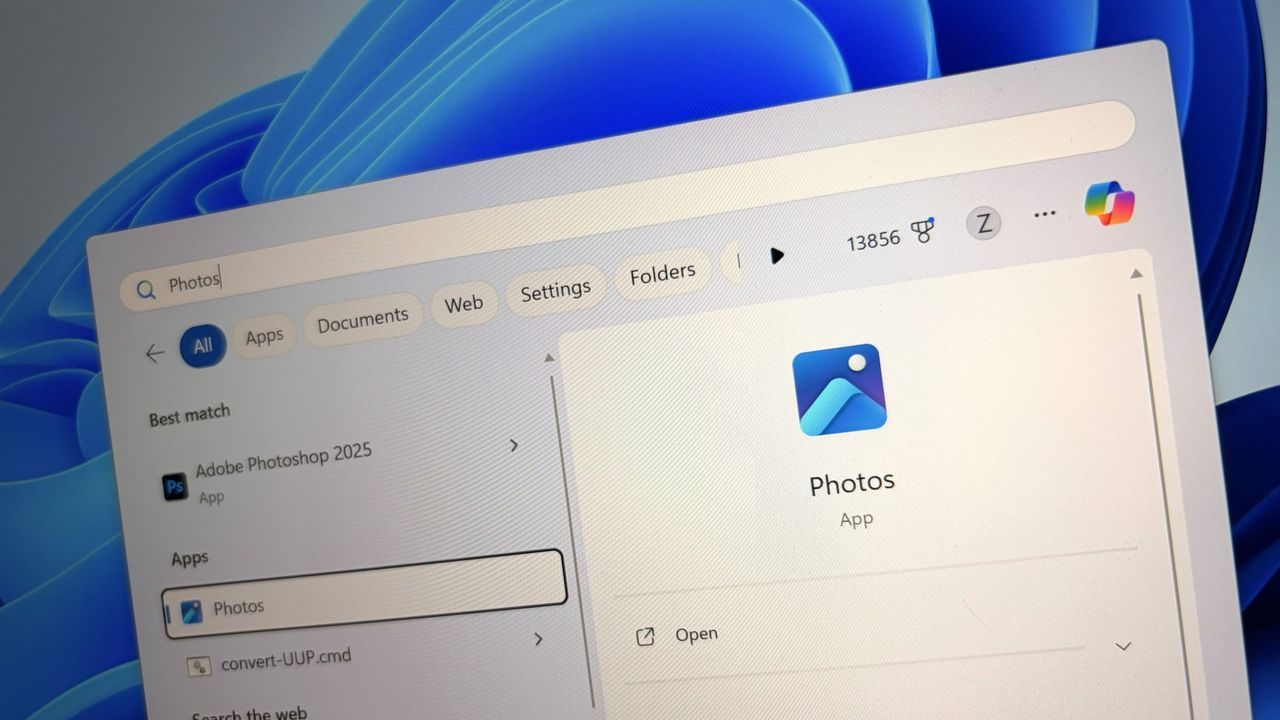
Windows users recently experienced a surprise unwelcome guest in their Start menu: an app titled OneDrive Photos, which appeared to be forcibly installed by the operating system itself. This unexpected rollout sparked immediate outrage, especially among users who prefer keeping their photo management separate from cloud storage, leading to significant online pushback.
The digital friction highlighted a common tension in large software ecosystems: balancing corporate development ambitions with practical user experience. When this disruption occurred on Windows 11, the immediate reaction was understandable—users weren’t expecting an aggressive installation of photo features they didn’t necessarily want integrated directly into the operating system.
In response to the outcry, Microsoft stepped in, offering a clarification from its leadership. Jeff Teper, the company’s EVP of Apps and Agents, addressed the situation, confirming that the OneDrive Photos experience was an incubation project that had rolled out more broadly than intended. The message was clear: the team recognized the error and was moving quickly to correct it.
“We are incubating a new photos experience in OneDrive that went more broadly than it should have in Windows. We’re fixing that,” Teper explained. He further assured the community that existing photo options would remain fully accessible, emphasizing that users always retain the choice to manage local and cloud photos independently of OneDrive.
The mechanism behind the surprise appearance involved a change in how the pre-installed OneDrive application interacted with Windows features, unintentionally triggering the display of the new experience. This development followed months of internal work by Microsoft to build out this dedicated OneDrive Photos feature, which had previously been leaked ahead of its official release.
Despite the acknowledgement of the error, some technical concerns lingered. The new application itself operates as a web app, leading to performance issues for some users, specifically concerning memory usage and responsiveness. This pointed to a potential gap between the development phase and the final polished user experience delivered to the desktop environment.
However, the official acknowledgment provided a hopeful note. Microsoft expressed genuine excitement about the prospect of rolling out these photo features across desktop, web, and mobile platforms, stressing their commitment to listening to feedback as they continue development.
Ultimately, this incident serves as a reminder that even the most ambitious software rollouts require careful calibration. The story of OneDrive Photos is less about a simple update and more about the ongoing negotiation between corporate vision and ensuring that the features designed by the company genuinely enhance—rather than disrupt—the daily lives of their users.
Buy on Amazon
Credit

