
Take-Two CEO predicts gaming will be commercial streaming soon
When the cost of cutting-edge computing hardware becomes a stumbling block, industry leaders are forced to look past the immediate financial pain and envision a future where the rules themselves change. This tension between expensive physical consoles and the promise of boundless access is at the heart of the next evolution of gaming.
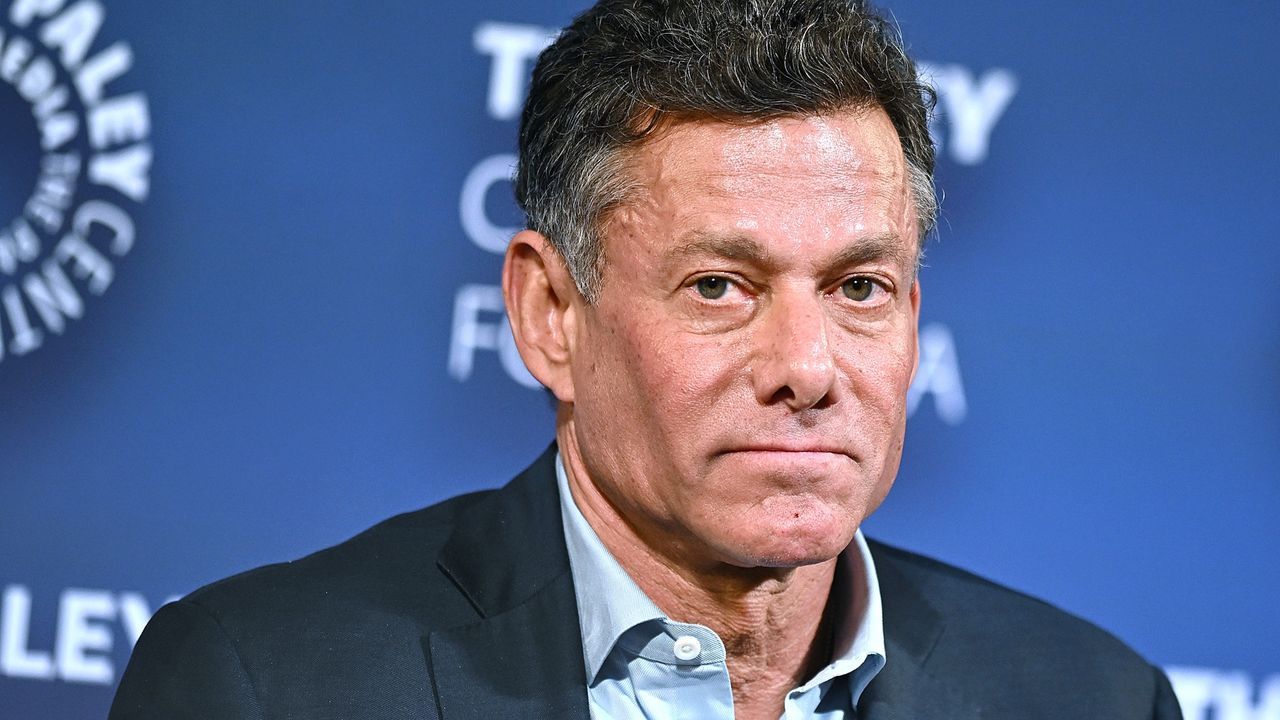
During a recent earnings call, Take-Two CEO Strauss Zelnick offered a pointed observation on the current hardware crisis—the reality that buying the latest graphics card requires an epic journey to a convention booth rather than a simple online transaction. He stated directly that this escalating cost is “not a good thing.”
Yet, while acknowledging the pressure placed on consumers by skyrocketing component prices, Zelnick suggests that the industry isn’t trapped. The company believes increasing accessibility to gaming hardware will be resolved, largely because the future lies in shifting how we consume games entirely. This shift is anchored in the “advent of streaming.”
Zelnick envisions a world where traditional limitations dissolve. He believes that soon, machines that were once purely focused on gaming will evolve into true game machines, powered by low-latency streaming technology. This vision is ambitious: he projects that commercial streaming mode will be widely adopted within three years.
The implications for the Take-Two ecosystem are massive. By embracing cloud gaming and streaming as the primary distribution method, the potential user base could expand tenfold. While Zelnick notes that this doesn’t necessarily translate to a linear increase in revenue from existing hardware owners, it unlocks unprecedented opportunities. Game streaming allows titles to reach audiences far beyond traditional core markets, promoting broadly desirable experiences for titles like GTA 6.
However, the journey toward a fully streamed gaming future is not without friction. It requires overcoming deep-seated consumer anxieties about ownership and access. There is a justifiable unease among players regarding being left solely dependent on subscription services and streaming platforms that could be shut down at any moment, creating a fear of losing access to cherished games.
This anxiety mirrors deeper concerns within the gaming sphere about digital media ownership itself. Even some visionary creators share these doubts; for instance, director Hideo Kojima has expressed fears that if we rely too heavily on digital data streams, we may lose the ability to freely access and own the art and stories we love.
Despite this philosophical hesitation, Zelnick remains bullish on the trajectory of digital distribution. The core challenge now is ensuring that as technology shifts from owning physical assets to accessing experiences through streaming, consumers maintain a sense of security and ownership. The future of gaming hinges on balancing technological innovation with the fundamental human desire for control over our entertainment.
Buy on Amazon
Credit