
Microsoft minimizes memory footprint in Windows 11
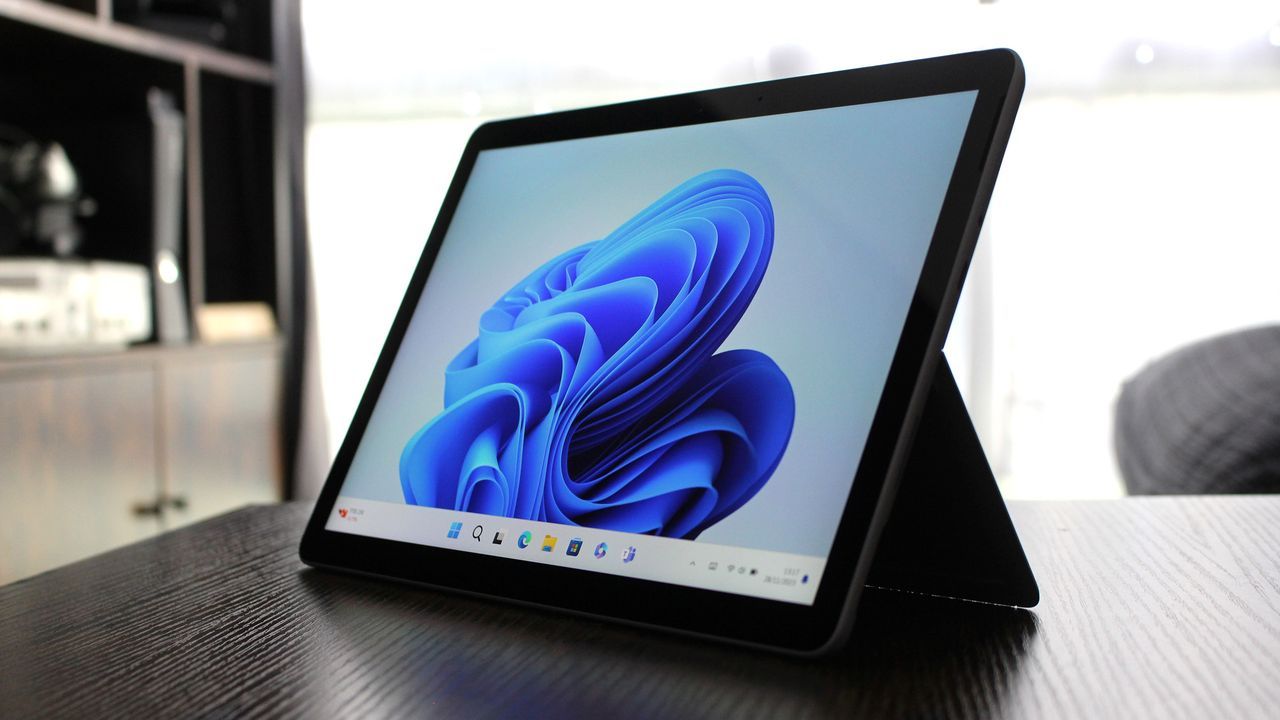
The quest for faster, smoother computing is often hampered by one universal bottleneck: memory. For PC users, especially those running mainstream systems with limited RAM, juggling applications can quickly lead to frustrating slowdowns and system stress. In response to this reality, Microsoft is embarking on a major overhaul of Windows 11, focusing intensely on making the operating system lighter, smarter, and more responsive.
At the heart of this effort is a commitment to performance optimization for devices with 8GB of RAM. This initiative isn’t just a simple tweak; it represents a deep, full-stack challenge that touches every layer of the operating system, from the visual design of the pixels down to the core kernel scheduler and drivers.
Marcus Ash, Microsoft’s Corporate Vice President of Design and Research on Windows, has outlined the comprehensive strategy behind this optimization. He emphasized that achieving better performance requires looking at the entire ecosystem, acknowledging that modern applications often consume significant system memory, creating a challenge for users who operate with constrained resources.
“We know that given the expectations customers are going to have, we have a chance to do better,” Ash noted in an interview. “We have a chance to do things that get ahead of where we know customers are going to go in terms of their expectations on the apps they run, and the responsiveness of those apps.”
To achieve these goals, Microsoft is coordinating a massive group effort, bringing together internal teams across the company. The objective is relentless: how can system memory footprints be reduced without sacrificing functionality? This involves rethinking fundamental design choices, such as managing preload settings—determining how long applications remain loaded in memory—to allow for smarter resource release when the user is under memory stress.
This push for efficiency is fueled by larger market dynamics, including the ongoing competition within the hardware space. The drive to optimize Windows 11 is heavily influenced by broader pressures related to memory pricing and competing platforms, making performance gains not just a feature but a necessity.
The results of this deep optimization work are slated to begin rolling out before the end of the year, promising a tangible improvement in how Windows 11 handles system resources. It is an endeavor aimed at ensuring that users experience a snappy, responsive, and efficient computing environment, regardless of the hardware they are running.
Buy on Amazon
Credit

