
Nvidia RTX 50 prices jump 30% in South Korea
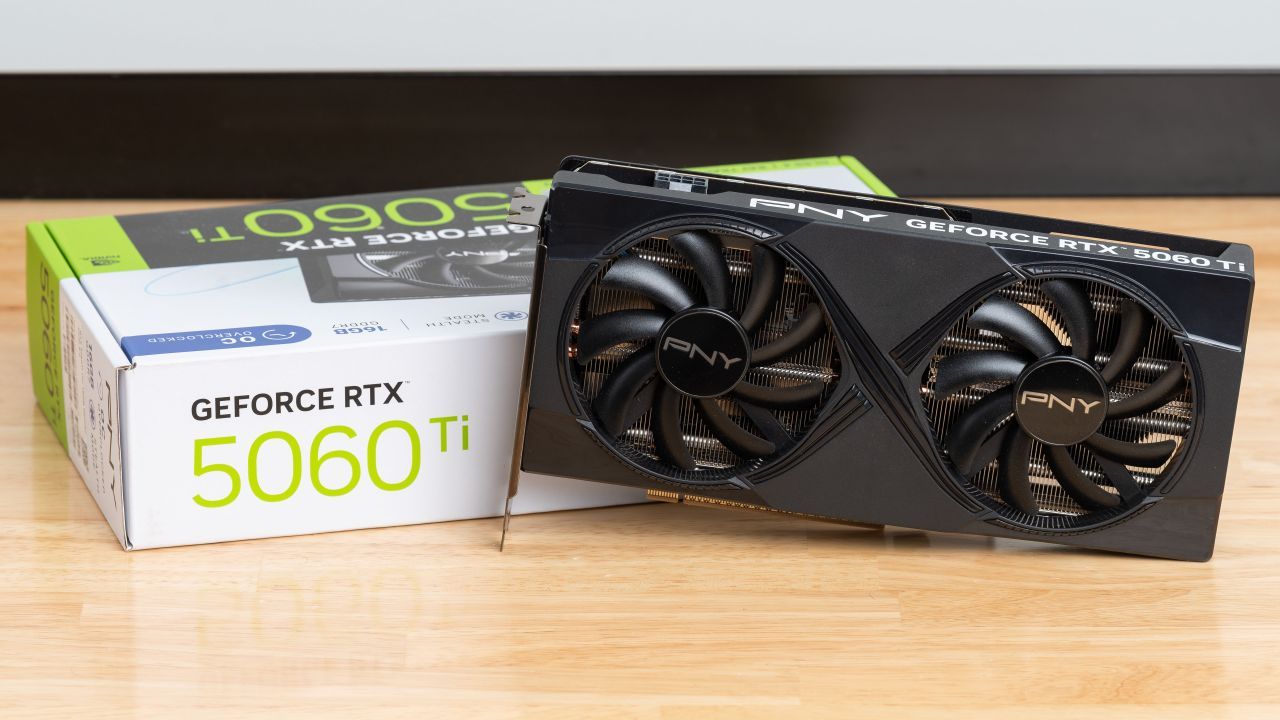
The high-performance graphics card market is currently undergoing a significant shakeup, as rising costs from the semiconductor supply chain are set to hit South Korean consumers directly. The Nvidia GeForce RTX 50 series is poised for price increases starting this month, driven by escalating costs across the entire manufacturing pipeline.
This shift isn’t an isolated event; it reflects broader pressures facing the global technology sector. The primary culprits behind the anticipated hikes are the rising prices for advanced process wafers sourced from TSMC and the increasing cost of crucial memory components like GDDR7.
The foundation of this inflation lies upstream. TSMC, a key player in advanced chipmaking, has reportedly instructed its customers to prepare for price adjustments across its entire portfolio, extending beyond the newest 3nm process to include older manufacturing nodes. This industry-wide cost escalation is now trickling down to the end consumer.
Adding another layer of complexity is the cost of specialized memory. Market research indicates that GDDR7 2GB modules, essential for powerful GPUs like the RTX 50 series, have seen prices climb to $20 per unit, directly impacting the final cost of assembly and production.
As manufacturers absorb these increased fabrication and memory costs, the burden inevitably shifts to distributors and retailers. Local importers and distributors in the region have confirmed that major graphics card makers plan to implement price increases for the RTX 50 series models, with some announcing hikes of up to 30% starting this month.
The most expensive components are those featuring larger memory configurations. High-end cards equipped with expansive GDDR7 memory are expected to bear the brunt of the cost increases, leading to the most substantial retail price jumps.
Looking at specific models in the South Korean market, the impact is already visible. For example, the entry-level RTX 5060 Ti 8GB model is currently priced around 700,000 won (approximately $490), reflecting an increase of about 100,000 won.
The trend becomes even more pronounced with flagship products. The top-tier RTX 5090 has experienced the most dramatic rise, with prices reaching up to 7.3 million won (around $5,112), marking an increase of as much as 1.5 million won compared to the previous month.
These developments signal that navigating the current market requires keeping a close eye on both global semiconductor trends and local supply chain dynamics as manufacturers attempt to balance technological advancement with economic reality.
Buy on Amazon
Credit

