Microsoft reveals the future of Surface and the Studio monitor
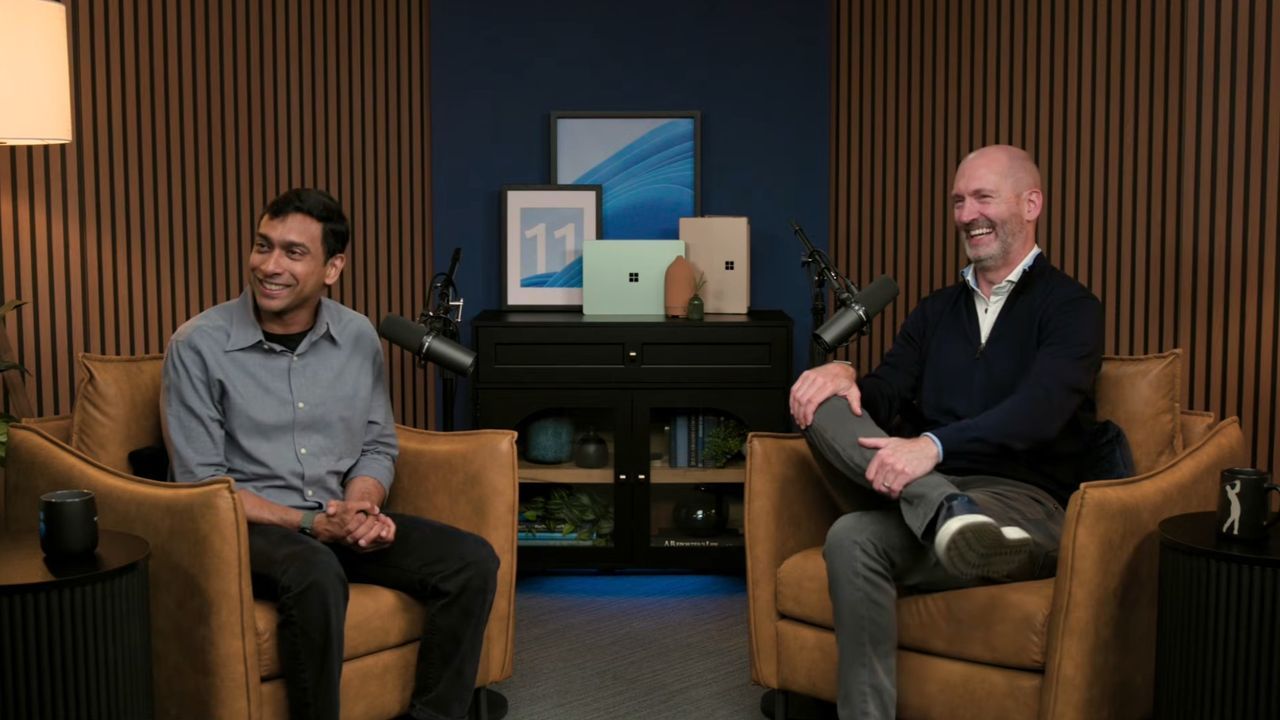
Surface Unveils Future Roadmap: Inside Microsoft’s Next Hardware Experiments
A recent discussion between Microsoft executives revealed an exciting roadmap for the Surface ecosystem, pointing toward innovative hardware and ambitious plans for the year ahead. In an insightful video, Executive Vice President of Windows+Devices Pavan Davuluri and Corporate Vice President of Surface Brett Ostrum delved into where the company is heading, balancing high-level strategy with fan desires for specific peripherals and devices.
The conversation centered on Microsoft’s core philosophy: using hardware to validate platform advancements. Just as Surface pioneered touch, pen, and Windows Hello, the focus now shifts to leveraging the platform to validate Windows on Arm architecture, a movement recently highlighted by products like the RTX Spark. This commitment to validating new technologies through tangible experiences is driving much of the current development.
Ostrum emphasized that Surface’s work continues to lead the way for the ecosystem, often by enabling brand-new platforms, such as NVIDIA’s RTX Silicon. “We are there to help show what is possible from an experience perspective in terms of technology and experiences and help to lead the way for the ecosystem,” Ostrum noted.
Looking ahead, anticipation builds around major hardware releases, including the Surface Laptop Ultra and the RTX Spark, which remain on the horizon this year. More surprises are teased, hinting at significant developments before the end of the calendar year, though specifics remain under wraps.
Beyond core computing devices, the conversation touched upon peripherals that fans have been eagerly seeking. Ostrum acknowledged the high demand for a Surface Studio monitor, calling it the most beautiful display the company has ever shipped. While this praise highlights the desirability of such a device, there was no concrete confirmation regarding plans for a standalone monitor at this time.
The discussion also briefly addressed beloved but cancelled concepts, including the infamous Surface Mini. When asked about availability, Davuluri offered a lighthearted reply suggesting that the devices were “laying around somewhere,” adding a touch of humor to the high-stakes hardware strategy. While Ostrum maintained that future roadmaps are generally kept private, the casual acknowledgment signals a commitment to bringing innovative and desired tools into existence.
Ultimately, the dialogue confirms that Surface continues to evolve by pushing the boundaries of what is possible in computing experiences. As Microsoft navigates the transition toward new architectures and specialized hardware, the next chapter for the Surface line promises further innovation and exciting user experiences.
Buy on Amazon
Credit