Mid-2000s FPS Golden Era: Creator David Szymanski discusses the classics
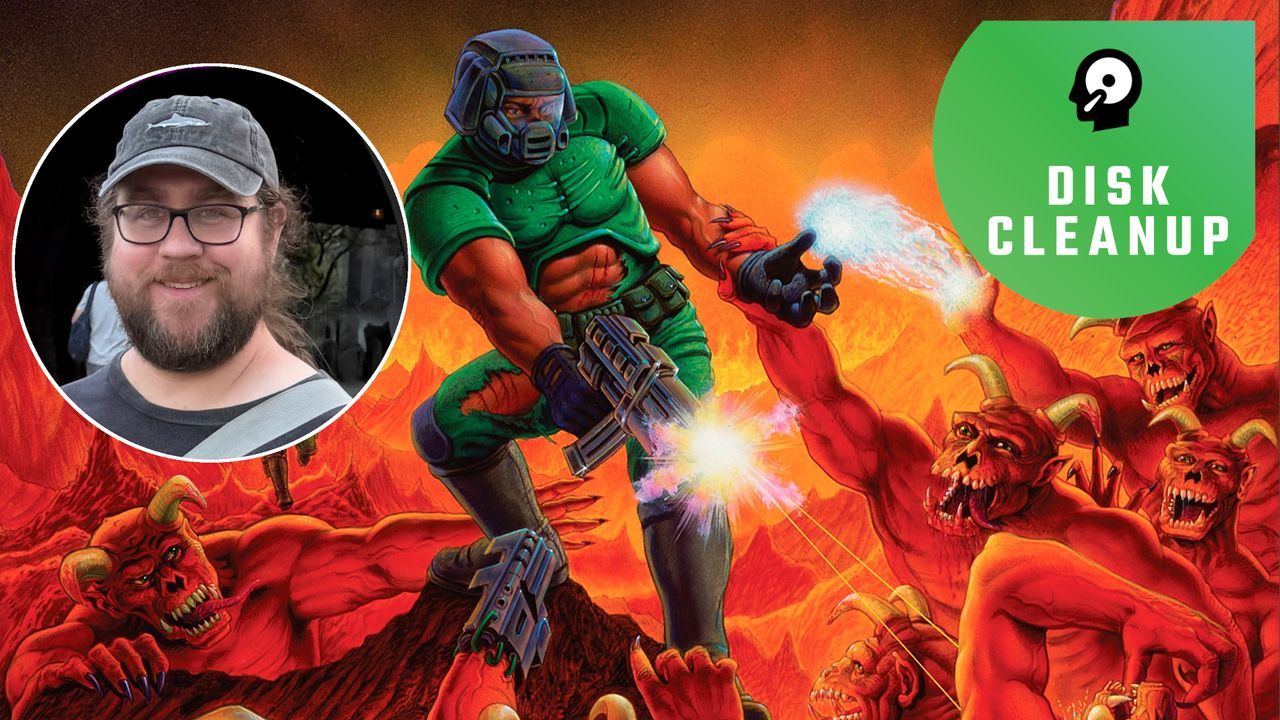
From Doom to Modern Chaos: A Designer’s Journey Through FPS History
When you look at the landscape of PC gaming, there are certain foundational pillars that define an era. For David Szymanski, a creator known for games like Dusk, understanding these pillars isn’t just about nostalgia; it’s about appreciating how wildly the genre has evolved.
Szymanski’s journey into gaming began with classic family favorites like Lemmings and Oil’s Well, but his true fascination took root in first-person exploration. He credits Myst as the game that truly sparked his interest—the moment he first experienced the thrill of entering another world and exploring it from a new perspective.
While starting out designing short horror games, Szymanski later found his voice in the ’90s shooter revival. His breakout title, Dusk, was a loving homage to classics like Doom and Quake. This success led him back to creating shorter experiences, including the submarine horror game Iron Lung, which later found life on screen as a film adaptation.
Today, Szymanski is exploring uncharted territory with an isometric project called B.U.G.B.I.T.E, a concept that embodies his philosophy: constant change and reinvention. As he puts it, his consistency lies in never settling on a single direction.
The Golden Age of FPS
Szymanski’s deep dive into the history of first-person shooters reveals an exciting timeline. He points out that while games were constantly evolving, the mid-2000s represent a golden era for FPSs—a period brimming with variety and mechanics before the genre became heavily codified by franchises like Call of Duty 4.
Before this era, shooters offered immense creative freedom. Titles such as Serious Sam, Painkiller, Halo, and Half-Life 2 all thrived independently, each introducing unique mechanics and ways of interaction with the environment.
This historical context suggests that chaos in vision and game design isn’t a flaw; it’s a strength. Much like the enduring appeal of the Resident Evil franchise, which expertly blends horror, action, and atmosphere, the dynamic mixing of elements makes games unforgettable.
The Comfort of Classics
Despite his experimental work, Szymanski remains deeply attached to certain foundational titles. For him, Doom stands as nearly the ultimate FPS experience, possessing a unique combination of historical weight and modern relevance that endures.
He notes that games like Doom 3 and Doom 64—and indeed, the original Doom—demonstrate a chaotic brilliance. Whether you lean into horror or goofiness, these titles possess a resilience that makes them impossible to ruin.
In his personal collection, he favors games that offer compelling scope over sheer playtime. While some games like The Forest and Subnautica hold nostalgic appeal, the real measure of engagement often comes down to depth rather than hours clocked. He points out that even massive experiences, like Elden Ring (186 hours), don’t necessarily top his list; he finds more resonance in the structured, yet innovative mechanics of soulslikes like Dark Souls.
Ultimately, Szymanski’s gaming perspective suggests that the most compelling experiences are those that manage to blend diverse elements into a cohesive whole. Whether exploring vast tunnels in Infra or diving into the chaotic world of an old FPS classic, true brilliance lies in that beautiful, unpredictable mix.
Buy on Amazon
Credit