MindsEye gets multiplayer and grenade football mode
The story of MindsEye is less about pixel-perfect gameplay and more about corporate chaos. Despite facing poor reception, dismal sales, and the loss of publisher IO Interactive, the developers at Build a Rocket Boy have clearly refused to surrender their open-world shooter. But this pursuit of continued development is shadowed by a cloud of controversy—from internal staffing issues and wild conspiracy theories surrounding the studio’s leadership to serious legal action concerning employee surveillance.
To put it mildly, the studio environment seems less focused on game quality and more on internal turmoil. There have been recent allegations from former workers that covert surveillance software was installed on their machines without consent, and claims by the workers union suggested that work was being handed over to the fanbase during a job crisis.
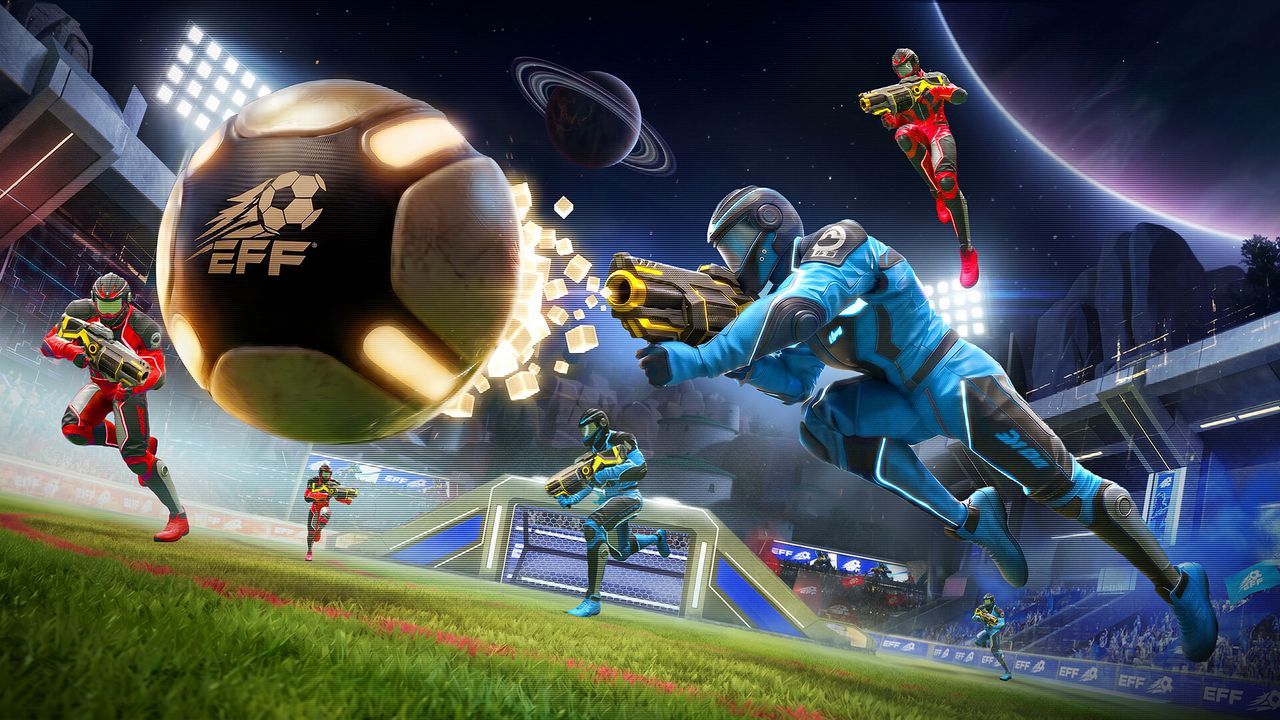
This intense drama has not stopped the updates, however. While the launch version of MindsEye was undeniably rough around the edges, the latest iteration still sees activity. The most recent update introduces a significant new component: multiplayer functionality. Specifically, players can now engage in a team-based mode dubbed grenade football, where participants swap standard launchers for blast devices to compete on a pitch.
Interestingly, this mode mimics the gameplay style of Rocket League—a chaotic spectacle involving players blasting giant balls at nets. However, those in the mode do not wear the launchers on their feet, making the experience deliberately rudimentary and rough. The ball itself often disappears into the launchers upon collection, adding to the general feeling that the feature prioritizes novelty over polished mechanics.
While the multiplayer elements might seem like a distraction, the update also brings improvements back to the core single-player experience. Developers have focused on sweeping changes to foundational elements: enhancing enemy physics during explosions, adjusting mission difficulty, completely overhauling AI pathing and behavior, improving vehicle handling, and smoothing out animation transitions.
It is this focus on fixing the basic campaign that holds some promise. While the pursuit of a full-blown metaverse might feel like an ambitious stretch, making the core experience playable and satisfying—especially amidst the looming shadow of games like Grand Theft Auto 6—is a worthwhile endeavor.
Ultimately, the ongoing saga of MindsEye is a tale of internal struggle. Whether the developers can successfully navigate the high-stakes corporate drama and bring genuine quality to their ambitious vision remains to be seen. But for now, the game continues to evolve, proving that even when the business side is burning, creativity finds a way to blaze a new path.
Buy on Amazon
Credit
