MMO Stars Reach lost me until I met a conservationist mayor
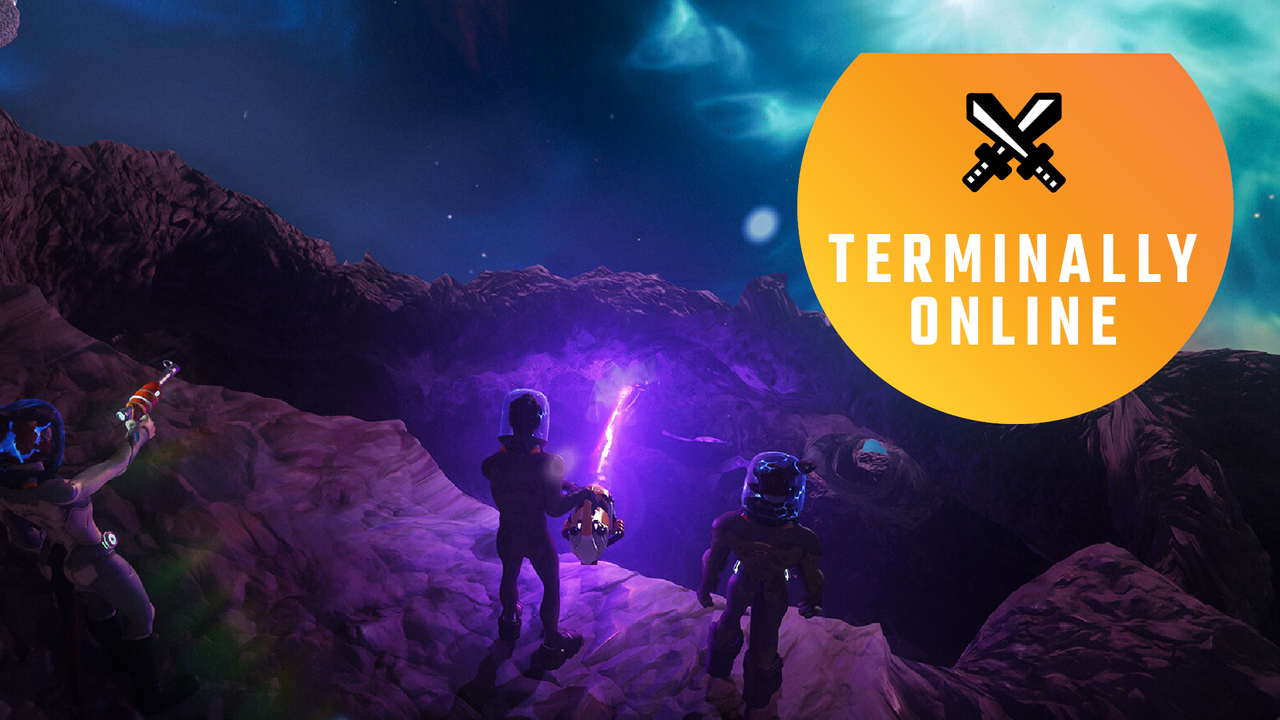
In the sprawling world of massive multiplayer online games, the ambition to build a truly social, player-driven civilization is powerful. But when a title like Stars Reach launches, the gap between grand vision and executed reality can be jarring. Headed up by Raph Koster, the promise is one of a galactic society where skills like journalism or dancing are just as viable as gunning down beasts. Yet, for now, the initial experience feels less like a thriving society and more like a collection of intriguing, unfinished mechanics.
While the vision aims for deep social interaction, the immediate experience often falls short. Starting the journey involves navigating a tutorial zone with tools like a terraformer, a scanner, and a grappling hook. While these tools offer unique gameplay opportunities, many aspects of the game’s presentation feel underdeveloped. The combat is functional, and the map-building tools are intriguing, but they don’t quite deliver the cohesive, immersive environment that the scope of the game suggests.
The core issue lies in the simulation layer. The innovative idea of the terraformer—the ability to dig into and reshape the earth—is certainly captivating. However, this potential is often undercut by rough details. Attempts to manage the environment, such as digging, sometimes result in unrealistic outcomes, where newly created terrain is immediately filled in, undermining the feeling of genuine, impactful construction.
This inconsistency extends beyond the mechanics. Progression systems, meant to reward dedication, suffer from rough execution. Crucial skill trees, such as those for acting, politics, and journalism, remain in a state of development, creating a disconnect between the game’s stated potential and what players can actually experience. This leaves the player feeling like they are exploring a foundation rather than a fully realized world.
The true potential of Stars Reach, however, is not found on the mission boards, but within the community itself. The most compelling narratives emerge when players organize, rather than when they follow pre-set objectives. When the game is left to the players—and their passion—to create their own societies, the game reveals its heart.
A prime example of this dynamic is the Galactic Union of Natural Conservation (GUNC) coalition. Instead of relying solely on randomly generated tasks, these players organized themselves, ferrying supplies and zoning areas to fulfill their conservation mission. They established systems for electing a mayor using a GovBot, and engaged in complex social interactions, such as hiring xenobiologists and fashioning hive glasses for the local tailor.
This cooperative development demonstrates the game’s capacity for depth. It shows that the true engagement comes from emergent storytelling and real-world social interaction, not just from clicking on the next dull mission. It highlights a fundamental tension: the game contains incredibly compelling systems, but these systems are currently buried beneath a layer of janky first impressions and unfinished content.
For Stars Reach to reach its full potential, it must prioritize bringing players into contact with each other from the very start. The current structure, which pushes players toward least finished areas, risks alienating the passionate community that is clearly invested in the game’s core ideas. The journey forward requires a commitment to polishing the foundation while unleashing the rich, intricate social possibilities already woven into the game’s fabric.
Buy on Amazon
Credit