Modders discover RTX 5090 uses 8-pin connectors
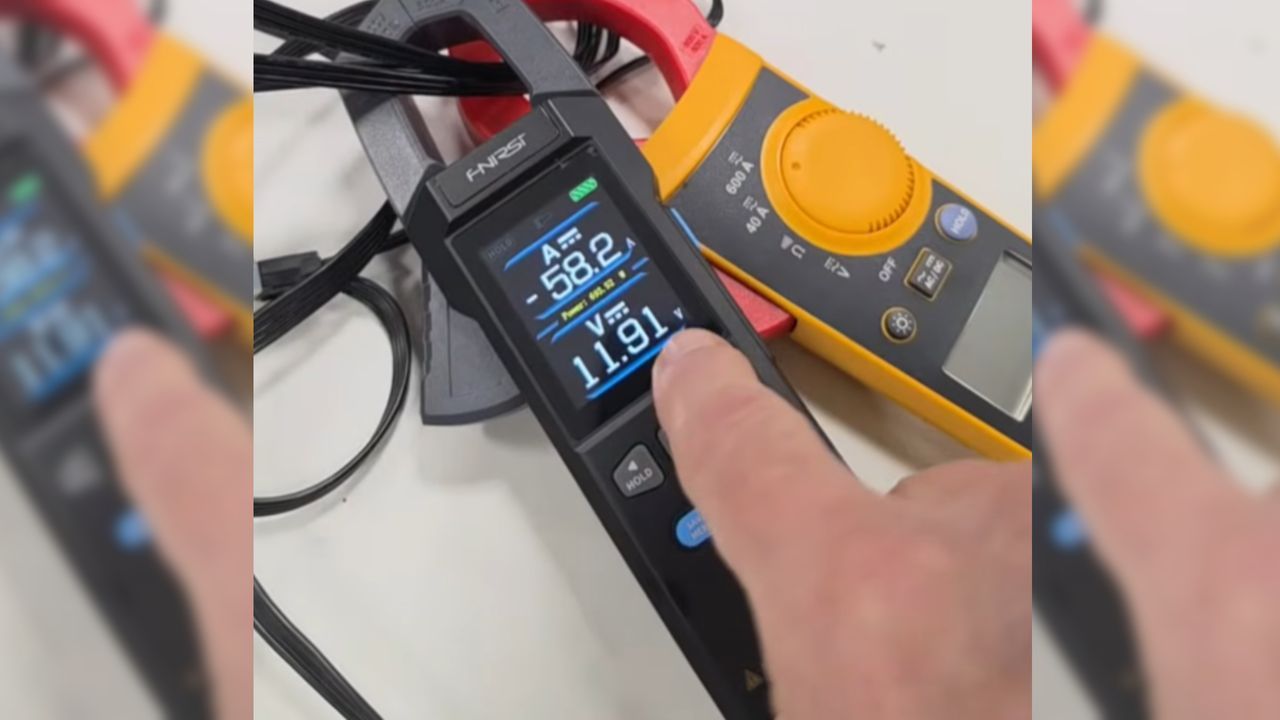
When you push the boundaries of modern graphics processing, the hardware itself often becomes the casualty. For years, enthusiasts have grappled with the dramatic problem of melting GPU connectors, particularly the 16-pin 12VHPWR cable, which was designed to handle the immense power demands of cards like the RTX 4090.
This instability led to a growing community of modders searching for viable alternatives. Some decided to ignore the established standards and experiment with a radical approach: running cutting-edge GPUs on the older, more familiar 8-pin connectors. The question became whether these established standards could handle the load without catastrophic failure.
In one compelling experiment, teams tackled this challenge head-on. Using custom-cut copper plates and a clever wiring solution, modders managed to adapt the architecture, allowing a theoretical RTX 5090 to operate on standard 8-pin cables. The goal was not just to achieve high clock speeds, but to test the fundamental stability of the power delivery system.
The results were genuinely surprising. While some expected further melting or instability, the testing revealed a remarkable stability. Even when pushing the system to run above its recommended specifications, the 8-pin connectors remained remarkably cool. This stability was crucial, as the original 12VHPWR connector had become infamous for its thermal issues.
The data suggested that the issue might not lie solely with the physical connector, but with the overall power standard. The modders demonstrated that by bypassing the specific constraints of the 12VHPWR design, they could achieve performance levels—including running over 3,300 MHz in benchmarks—while maintaining cooler temperatures than the standard alternative.
This experiment highlights a deeper concern about industry specifications. If a connector is rated for a specific power limit, that specification is critical. The fact that modders could push the power delivery to the GPU without the cables overheating suggests that the industry may lack a firm, enforceable specification for the 8-pin connector regarding its actual power capacity.
The implication is clear: when innovative hardware pushes past established limits, the gap between theoretical specifications and real-world performance often reveals hidden flaws. This push for transparency and rigorous standards is now more important than ever as the next generation of high-power components arrives.
Buy on Amazon
Credit